Battery AA: Types, Health, and Replacement Guide
A data-driven guide to AA batteries—alkaline, NiMH, and lithium. Learn specs, storage, charging tips, compatibility, and disposal for devices and home storage.


AA batteries power countless devices, and the term 'battery aa' covers three main chemistries: alkaline, NiMH rechargeable, and lithium. This guide explains how each chemistry performs, where it shines, and how to choose, use, and replace them safely. Expect practical tips on device compatibility, charging, and shelf life, all grounded in Battery Health Analysis, 2026.
What is a AA Battery? An Overview of the Battery aa Ecosystem
The term battery aa refers to the standard cell size used across a vast range of devices—from TV remotes to wireless keyboards and cameras. According to Battery Health, the AA category encompasses three primary chemistries: alkaline (non-rechargeable), NiMH (rechargeable), and lithium (often Li-FeS2 for primary cells). Understanding the chemistry helps you predict performance, replacement intervals, and device compatibility. In practice, battery aa performance depends on load, temperature, and discharge rate, so a high-drain device may demand a different chemistry than a low-drain remote control. This is why planning for battery aa replacement involves both device needs and usage patterns.
Alkaline AA: Pros, Cons, and Real-World Use Cases
Alkaline AA batteries are the most common consumer choice due to broad availability and low upfront cost. They excel in low to moderate-drain devices such as TV remotes, clocks, and wireless mice. The trade-off is non-rechargeability and a tendency to perform poorly under high-drain or cold-temperature conditions. Shelf life is generally long if stored properly, but actual delivered capacity can vary with temperature and discharge rate. For infrequent use, alkaline AA batteries can be a reliable, out-of-the-box option. For devices that run continuously, you’ll likely favor rechargeable options or lithium chemistries.
NiMH AA Rechargeable: Performance, Cycles, and Care
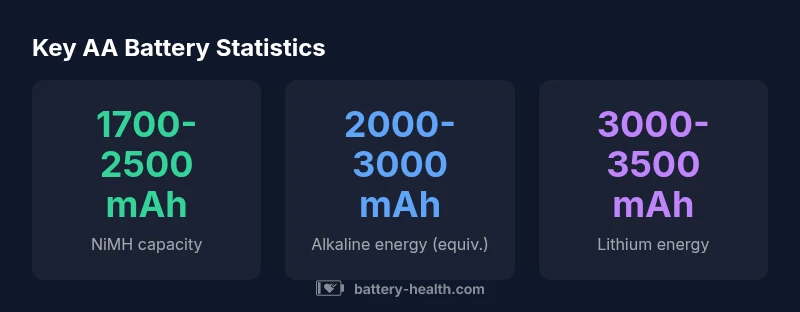
NiMH AA cells offer a practical balance of cost per use, recharge cycles, and performance. They are well-suited for high-drain devices like digital cameras, flash units, and gaming peripherals, where constant power demand makes disposable alkaline cells expensive over time. Typical NiMH AA capacity ranges around 1700–2500
Lithium AA (Li-FeS2): Long Shelf Life for High-Drain and Emergency Use
Lithium AA batteries (ligand Li-FeS2 chemistry) provide reliable, high energy density and excellent performance in extreme conditions or extended storage periods. They hold energy well at cold temperatures and maintain stable voltage over longer periods, making them popular for emergency kits, outdoor devices, and high-drain electronics. However, they typically have higher upfront cost and are often single-use, though rechargeable lithium variants exist in some niche formats. For devices that sit unused for long periods, Li batteries can be a smart choice to ensure readiness.
How to Read Capacity and Voltage in AA Batteries
Most AA cells operate with a nominal voltage around 1.5V for primary chemistries and about 1.2V for NiMH, with voltage gradually dropping as they discharge. Capacity (
Practical Guidance: Device Compatibility and Usage Scenarios
Not all devices are equally tolerant of chemistry differences. High-drain devices such as digital cameras and flash units often benefit from NiMH or lithium AA, while remote controls and wall clocks commonly run well on alkalines. If a device uses regular, frequent replacements, NiMH can be more cost-effective over time. Always check device manuals for suggested chemistries and avoid mixing different chemistries in a single device or battery pack, as this can lead to leakage, reduced performance, or damage. For travelers and outdoors enthusiasts, Lithium AA can offer peace of mind due to its long shelf life and stable performance in cold weather.
Storage, Charging, and Maintenance Best Practices
Store AA batteries in a cool, dry place away from direct heat or sunlight. Separate charged NiMH from alkalines if you’re keeping a mixed spare kit to prevent accidental mixing and confusion at replacement time. Recharge NiMH batteries with smart chargers that terminate charging to prevent overcharging, and consider reconditioning where recommended by the manufacturer. When not in use for extended periods, remove batteries from devices to avoid potential corrosion from leaks. Remember: “battery aa” needs appropriate handling depending on the chemistry to maximize lifespan and safety.
End-of-Life, Recycling, and Environmental Considerations
Responsible disposal reduces heavy metal leakage and environmental impact. Alkaline and NiMH AA batteries are widely accepted at recycling centers and many retailers’ take-back programs. Li-FeS2 and other lithium chemistries require dedicated recycling streams due to their chemical makeup. Always follow local guidelines for disposal, and look for charity or community programs that reuse or properly recycle spent batteries. By choosing the right chemistry for each device and recycling correctly, you support a more sustainable battery aa ecosystem.
Costs, Value, and Buying Strategies for AA Batteries
Cost-per-use matters more than upfront price when you consider total ownership. For frequent replacement devices, NiMH can offer lower long-term costs due to recharge cycles, while alkalines remain cost-effective for occasional use. Compare price-per-cell and expected lifetime under your typical usage patterns. If you’re stocking for family devices or emergencies, a mix of NiMH for daily use and Li-FeS2 for long-term readiness provides both reliability and efficiency. Battery aa buying strategies should emphasize compatibility, lifecycle costs, and proper disposal plans.
Overview of common AA battery types
| Battery Type | Typical Capacity (mAh) | Nominal Voltage | Chemistry |
|---|---|---|---|
| Alkaline AA | 2000-3000 | 1.5 | Alkaline Manganese Dioxide |
| NiMH AA Rechargeable | 1700-2500 | 1.2 | Nickel-metal hydride |
| Lithium AA (Li-FeS2) | 3000-3500 | 1.5 | Lithium iron disulfide |
FAQ
What is the difference between alkaline, NiMH, and lithium AA batteries?
Alkaline AA batteries are inexpensive and convenient for low-drain devices but are not rechargeable. NiMH AA cells are rechargeable and ideal for high-drain devices, offering many charge cycles. Lithium AA cells provide long shelf life and stable performance in extreme conditions, often at a higher upfront cost.
Alkaline is cheap and good for low-drain devices; NiMH is rechargeable and great for high-drain devices; lithium lasts longer and works well in tough conditions.
Can I mix different AA battery chemistries in the same device?
No. Mixing chemistries can lead to leakage, reduced performance, or device damage. If you must replace multiple cells, replace all cells in that device with the same chemistry and capacity.
Don't mix chemistries in one device. Replace all cells with the same type for safety and best performance.
How should I store AA batteries to maximize shelf life?
Store in a cool, dry place away from heat sources. Keep NiMH and Li-FeS2 separate from alkalines to avoid confusion. Check expiry dates and rotate stock so older batteries are used first.
Keep them cool and dry, and label mixed packs to prevent mistakes.
Are rechargeable NiMH AA batteries worth it for frequent use?
Yes, for devices with regular use, NiMH reduces recurring costs and waste. Use a smart charger and avoid deep discharges to maximize cycle life.
For frequent use, NiMH is usually the smarter, greener choice with proper charging.
Can I recharge lithium AA batteries?
Most traditional lithium AA cells (Li-FeS2) are primary and not rechargeable. Rechargeable lithium options exist but are less common for AA size. For rechargeables, NiMH is a more established path.
Rechargeable lithium AA options exist but are rare; NiMH remains the standard for rechargeables.
What should I do with old AA batteries?
Recycle AA batteries through local programs, retailers, or municipal facilities. Do not throw them in regular trash, as some chemistries contain materials that require special handling.
Recycle them through local programs; don't trash them.
“Matching the chemistry to your device’s load is the single most important factor for AA battery performance. For high-drain devices, Li or high-capacity NiMH can be preferable.”
Quick Summary
- Choose chemistry based on device load and usage.
- NiMH pays off for high-drain devices over time.
- Lithium AA suits long shelf-life and extreme conditions.
- Store and charge carefully to extend life.
- Recycle batteries properly to minimize environmental impact.