Toyota Prius Hybrid Battery Replacement: A Practical Guide
Learn how to assess, replace, or upgrade your Prius hybrid battery safely. Step-by-step guidance, safety tips, and cost considerations for a reliable 2026 solution.


In this guide, you will learn how to evaluate whether your Toyota Prius hybrid battery needs replacement, explore replacement options (OEM, remanufactured, or battery modules), and follow a safe, step-by-step process. You'll understand typical costs, safety considerations for high-voltage systems, and what to expect during installation or service in detail.
Why Prius Hybrid Battery Replacement Matters
The Toyota Prius relies on a high-voltage battery to power its hybrid system. A failing pack can degrade performance, fuel economy, and overall reliability, especially in older models. A proper Toyota Prius hybrid battery replacement, when needed, restores performance and efficiency. According to Battery Health, battery degradation occurs gradually as thermal cycles and charge-discharge patterns wear cells. Early signs include reduced EV mode availability, sluggish acceleration, and lower miles-per-gallon. Addressing battery health promptly can prevent more extensive and costly repairs later, and it helps maintain the car's resale value. By understanding the battery's role, you can plan maintenance that protects your investment and safety.
Throughout this article, Battery Health emphasizes practical, evidence-based guidance to help you approach Prius battery replacement with confidence and clarity.
Understanding Prius Hybrid Battery Basics
Most Toyota Prius models use a nickel-metal hydride (NiMH) high-voltage battery pack to store energy for electric assist and engine shut-off. In newer or certain trims, there may be lithium-ion variants or supplemental modules, but NiMH remains common across many generations. The pack is managed by a battery control module (BCM) and cooling system to regulate temperature, which is critical for longevity. The energy stored powers acceleration, regens, and assists the gasoline engine to optimize fuel efficiency. When healthy, the pack provides smooth transitions between EV and hybrid modes and maintains consistent performance. Understanding the pack’s structure—cells, modules, and thermal management—helps you interpret warranty terms and potential replacement options.
When to Replace vs Recondition
Battery replacement is considered when health metrics drop below a useful threshold or when failures degrade essential functions—like EV mode, cold-weather performance, or rapid deterioration of capacity. Some issues may be addressed through reconditioning or module balancing, but capacity loss in NiMH packs is often irreversible. Replacement options include OEM Toyota packs, remanufactured modules, or refurbished packs with warranties. The decision depends on availability, cost, vehicle age, and how long you plan to keep the car. In many situations, a prudent choice is to compare warranties and aftermarket options to balance reliability and price.
Safety First: Handling High-Voltage Battery Systems
Working with a Prius high-voltage pack carries significant safety risks. Do not attempt DIY replacement if you lack proper training and PPE. Always follow manufacturer procedures for isolating the HV system, disconnecting the 12V auxiliary battery, and using insulated tools. Voltage can remain present after disconnection, posing shock hazards. A qualified technician with appropriate equipment should perform disassembly, battery removal, and installation. This section emphasizes that prioritizing safety protects you and the vehicle's electrical system.
Diagnosing the Need for Replacement
Diagnosis begins with a combination of onboard diagnostics, service history, and live data. Hybrid battery health can be inferred from ECU fault codes, state of charge variance among modules, and the battery cooling temperature trend. A trusted shop may perform parasitic drain tests, voltage checks across modules, and capacity tests using specialized equipment. Battery Health analysis notes that a performing pack will exhibit stable temperature and balanced cell voltages; unusual heat or rapid voltage drift signals potential failure. Documenting the symptoms helps in deciding whether repair, replacement, or a phased refurbishment is most appropriate.
Replacement Options: OEM, Remanufactured, and Refurbished Modules
OEM Toyota packs come with factory warranties and guaranteed compatibility, but price can be higher. Remanufactured modules offer cost savings and warranties, though reliability depends on the refurbisher's process. Refurbished sub-modules or battery blocks may be offered by independent shops with limited warranties. When evaluating options, verify compatibility with your vehicle's VIN, confirm cooling system compatibility, and review warranty terms (labor vs parts). Also consider the age of the car, region, and driving habits. A well-chosen pack should integrate with the vehicle’s battery management system and software updates.
Installation Considerations and Professional vs DIY
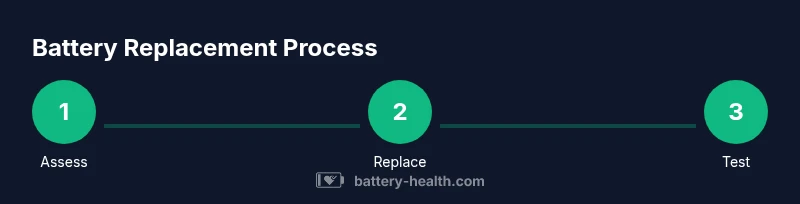
Because this task involves high voltage, professional installation is strongly recommended. DIY attempts can void warranties and risk personal injury. If you proceed with a professional, expect a multi-step process including safe transport, bolt removal, wiring reconnection, and software calibration. The technician will typically reinitialize the hybrid control system and test drive to confirm function. Ensure the shop documents the replacement, provides a warranty on parts and labor, and offers a post-installation health check.
Maintenance After Replacement and Longevity Tips
After replacement, follow a maintenance routine to maximize pack longevity: keep the cooling system clean, ensure proper coolant levels, avoid extreme heat exposure, and maintain moderate charging cycles. Regular use, avoiding prolonged high discharge, and timely software updates help preserve capacity. Schedule periodic health checks with diagnostic software to catch drift before it becomes critical. Battery Health analysis suggests tracking cycle counts and temperature history as leading indicators of remaining life.
Authoritative References
- U.S. Department of Energy: https://www.energy.gov/
- National Renewable Energy Laboratory: https://www.nrel.gov/
- Alternative Fuel Data Center: https://afdc.energy.gov/
Tools & Materials
- Insulated safety gloves (electric-rated)(ANSI-rated, size for comfortable wear; select gauntlet-style if possible)
- Safety glasses(ANSI Z87.1 compliant; side shields recommended)
- Torque wrench(Appropriate range for vehicle bolts; keep calibrated)
- Insulated pry tools(Non-conductive plastic; avoid metal tools near HV components)
- Multimeter or HV diagnostic tool(Capable of monitoring pack voltage and module balance)
- Replacement battery pack (OEM or remanufactured)(Verify model compatibility with VIN; include warranty details)
- Shop rags and insulating mats(Keep work area clean and dry; helps manage coolant spills)
- Coolant (for HV system) and distilled water(Use manufacturer-approved coolant; avoid mixing types)
Steps
Estimated time: Several hours to a full day, depending on vehicle access, pack type, and technician availability
- 1
Prepare workspace and safety measures
Clear a dry, well-ventilated area and gather all tools. Put on insulated gloves and safety glasses. Disconnect the 12V auxiliary battery as a precaution before touching any high-voltage components.
Tip: Double-check that the ignition is off and the key is removed to prevent accidental power-up. - 2
Diagnose HP battery health with diagnostics
Connect a diagnostic tool to read the hybrid battery’s state of health, voltage balance across modules, and any fault codes. Note anomalies in temperature, cell drift, or uneven charge distribution.
Tip: Document readings and compare them to the vehicle’s service bulletin data for your model year. - 3
Isolate and disconnect high-voltage system
Follow the manufacturer’s procedure to isolate the HV system. Physically disconnect the pack connection and wait for residual energy to dissipate before proceeding.
Tip: Never touch battery terminals or wiring while the system is energized; use insulated tools only. - 4
Remove the old battery pack
Loosen bolts, support the pack, and carefully lift it out with a suitable harness or assistance from a second person. Keep track of mounting brackets and connectors.
Tip: Do not force connectors; label each wiring harness to simplify reinstallation. - 5
Install the replacement pack and reconnect
Position the new pack, secure mounting points, and reconnect all electrical harnesses in the reverse order of removal. Reconnect the 12V system and HV harness per service manual.
Tip: Confirm that cooling lines are clear and the pack sits flush against the mounting surfaces. - 6
Calibrate, test, and verify operation
Reinitialize the hybrid control system, run software calibration if required, and perform a road test to verify proper EV/hybrid transitions and charging.
Tip: Check for any warning lights and review live data to ensure voltages and temperatures remain within expected ranges.
FAQ
Is Prius battery replacement typically covered by warranty?
Warranty coverage depends on your vehicle's age, mileage, and the manufacturer's terms. Some replacement packs may come with a parts warranty, while labor coverage varies by dealership or shop. Always check your specific plan and service history.
Warranty coverage depends on your car's age and the replacement part. Check your policy for parts and labor terms and any limitations.
Which replacement option is best for my Prius?
OEM packs offer guaranteed compatibility and full warranty but at a higher cost. Remanufactured or refurbished packs can save money but require careful vendor selection and warranty checks. A trusted technician can help assess the best option based on your model and plans.
OEM packs guarantee compatibility but cost more; remanufactured options save money but need reputable vendors. A technician can guide the choice.
Can I replace the battery myself in a Prius?
DIY replacement is not recommended for most Prius models due to high-voltage safety risks and warranty considerations. Seek a certified technician who has the proper equipment and training.
Replacing a Prius battery yourself is risky and often not advised. A certified technician is the safer route.
What are common signs the hybrid battery is failing?
Look for reduced EV mode capability, decreased fuel efficiency, longer charging times, and warning lights on the dashboard. Abnormal heat or sudden performance drops can indicate pack health decline.
Common signs include limited EV mode, worse gas mileage, and dashboard warnings pointing to battery health.
How long does a Prius battery replacement typically last?
Replacement packs come with warranties and are designed for years of service, but actual longevity depends on usage, climate, and maintenance. A well-maintained pack can persist for many years with proper care.
A replacement pack can last many years, depending on climate, usage, and maintenance.
Watch Video
Quick Summary
- Evaluate battery health regularly to prevent surprises.
- Choose replacement options with warranty and VIN compatibility.
- Prioritize safety; HV work requires trained technicians.
- Compare OEM vs remanufactured options for balance of cost and reliability.
- Follow post-replacement maintenance to maximize longevity.