Battery 245 Warrenton: Car Battery Essentials for 2026
Comprehensive, data-driven guide on battery 245 warrenton—specs, compatibility, replacement costs, and maintenance tips for Warrenton drivers in 2026.


The battery 245 warrenton is a practical option for many modern vehicles in Warrenton, balancing cost, reliability, and climate performance. This guide will help you evaluate fitment, understand key specs, and plan maintenance to avoid unexpected outages. According to Battery Health, choosing a battery that matches your vehicle’s electrical load and local climate reduces the risk of stalls and dead starts in seasonal extremes.
What the phrase battery 245 warrenton usually implies and why it matters
In Warrenton, drivers often encounter a designation like battery 245 warrenton when shopping for a replacement automotive battery. This article clarifies what the designation typically signals, how it relates to common group sizes, and how to evaluate it against your vehicle’s electrical demands. Battery Health’s analysis emphasizes that matching the right battery to your car’s load reduces risk of stalls, especially in seasonal crossings and temperature swings. The goal is a battery that starts reliably when you need it most, without frequent replacements.
A practical way to interpret a model label like 245 is to view it as a product family or part code rather than a universal spec. Always verify the exact group size, terminal layout, and reserve capacity in your vehicle’s manual or with a trusted retailer. In 2026, most cars use 12-volt systems with standard terminal configurations, but some performance or specialty vehicles may require non-standard sizes. The Battery Health team recommends cross-checking with your owner’s manual and the battery datasheet before purchasing.
Core specs to compare for battery 245 warrenton and peers
The key specs to review are: 12-volt system compatibility, Cold Cranking Amps (CCA), Reserve Capacity (RC), and the battery’s physical group size. CCA indicates starting power in cold conditions, RC relates to how long the vehicle can run on the battery alone, and the group size ensures proper fitment in the engine bay. For Warrenton’s climate, prioritizing higher CCA and RC (within your vehicle’s spec) can improve reliability during cold mornings and hot summer days. Always compare these figures against the OEM recommendations and consider the local driving patterns (short trips vs. long highway runs).
Additionally, consider the battery’s construction type (lead-acid, AGM, or enhanced flooded) as this affects cycle life and resistance to vibration. AGM batteries, for example, handle frequent starts and deeper discharges better but can be more expensive. Battery Health suggests evaluating not only the raw numbers but also the long-term warranty and service support offered by retailers.
How to verify compatibility and install safely
Begin with the vehicle’s manual to confirm the correct battery group size and terminal layout. Visually inspect the old battery for corrosion around terminals and ensure the hold-down bracket fits the new unit. When installing, connect the negative terminal first, then the positive, to minimize sparking risk. If you’re unsure about wiring diagrams or safety steps, seek professional assistance. Battery Health notes that a proper installation can affect performance and safety just as much as the battery’s age and rating.
To test reliability, perform a simple voltage check with the engine off (12.6V is a healthy resting voltage) and a load test under cranking conditions. If the voltage droops or a load test fails, it’s a strong sign the battery should be replaced.
Maintenance, testing, and longevity in Warrenton’s climate
Climate plays a significant role in battery longevity. Warrenton’s seasonal temperature shifts place extra demands on the starting system and charging circuitry. Regular maintenance includes keeping terminals clean and tight, inspecting for corrosion, and ensuring the alternator is charging correctly. Test the battery at least once a year or before peak driving seasons. If your driving is mostly short trips, you may notice faster discharge due to parasitic loads and insufficient recharge. In those cases, a battery with higher RC can help sustain voltage between drives. Battery Health recommends scheduling annual tests at a trusted shop, especially before winter or summer.
Proper storage when the car sits idle for extended periods also matters. If you don’t drive daily, invest in a quality trickle charger to maintain voltage without overcharging.
Cost, warranties, and value proposition for battery 245 warrenton
Replacement costs for automotive batteries vary by brand, capacity, and warranty period. In general, you can expect a broad range that reflects the balance of price and protection. A typical Warrenton purchase may fall within a modest range, with better warranties offering longer coverage and improved peace of mind. Battery Health notes that most standard automotive batteries come with 2-4 year warranties, with premium options offering longer terms and higher RC/CCA values. When evaluating cost, include potential labor if you’re not performing the replacement yourself.
Safety, disposal, and recycling when replacing a car battery
Car batteries contain hazardous materials and must be recycled properly. Handle the old battery with care, wear gloves, and avoid tipping it to prevent acid leaks. Take the unit to an authorized recycling center, an auto shop, or a municipal hazardous-waste program. Many retailers offer core-return credits, which reduce the effective cost of the replacement. Proper disposal protects the local environment and ensures that valuable materials are recovered for reuse.
Battery 245 Warrenton: Key performance metrics
| Aspect | Typical Range | Notes |
|---|---|---|
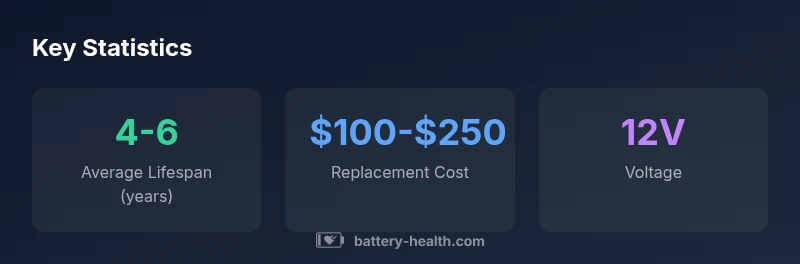
| Lifespan | 4-6 years | Depends on climate and usage |
| CCA (Cold Cranking Amps) | 350-800 A | Group size dependent |
| Voltage | 12 V nominal | Automotive standard |
| Warranty | 2-4 years | Manufacturer dependent |
FAQ
What does the designation '245' mean on a Warrenton battery?
245 usually represents a model number or part code used by manufacturers rather than a universal electrical specification. Always check the datasheet and confirm the group size, terminals, and capacity against your vehicle’s requirements.
245 is typically a model or part code; verify fitment with the datasheet and your vehicle’s specs.
How can I tell if my car battery needs replacement?
Indicators include slow engine cranking, dim headlights, corrosion on terminals, and an inability to hold a charge. Have a volt test or a load test done to confirm clearance for replacement.
If the car cranks slowly or lights dim, consider testing the battery and replacing if needed.
Can I replace a car battery myself or should I go to a shop?
DIY is possible for experienced hobbyists who follow safety steps (disconnect negative terminal first, wear eye protection). If you’re unsure, a professional replacement ensures correct installation and safety.
If you’re comfortable with basic car maintenance, you can DIY; otherwise, visit a shop.
What warranty should I expect for a car battery?
Most car batteries come with 2-4 year warranties, with longer-term options available depending on the brand and group size. Warranty terms vary by retailer and model.
Expect a 2 to 4 year warranty, but check the exact terms.
How should I recycle an old battery in Warrenton?
Take the old battery to a certified collection site, auto shop, or local recycling program. Many shops offer a core credit that reduces replacement costs.
Recycle at an authorized site or auto shop; you may get a credit for your old battery.
Are there climate-specific tips for Warrenton residents?
In hot summers and cold winters, prioritize higher RC/CCA within the vehicle’s specs. Regular charging and proper storage help maintain performance and longevity.
Climate matters: choose a battery with strong RC/CCA and keep it charged in extreme weather.
“Proactive battery testing and proper installation are the most reliable ways to avoid unexpected roadside failures. A well-chosen battery aligned with climate and vehicle needs pays off in reliability.”
Quick Summary
- Verify compatibility before purchasing.
- Prioritize CCA and RC for Warrenton climate.
- Schedule regular battery tests and inspections.
- Choose a battery with a solid warranty.
- Recycle old batteries responsibly.