Where Is the Battery in BMW? A Practical Guide to Location, Safety, and Maintenance
Discover where the 12V and high-voltage batteries live in BMWs, how to safely access them, and maintenance tips for BMW models, hybrids, and EVs in 2026.


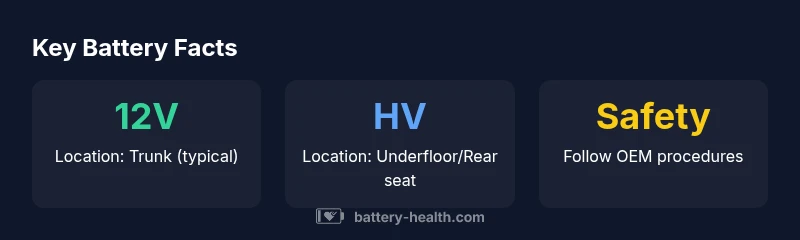
In most modern BMWs, the 12-volt battery sits in the trunk on the left side behind an access panel, while high-voltage packs in hybrids and EVs are located under the floor or beneath rear seating. For safety, always verify the battery type before attempting any service and follow OEM procedures for disconnecting and replacement. This quick layout overview helps you plan maintenance or troubleshooting with confidence.
Where the Battery Lives Across BMW Lineups
For many drivers, understanding where battery in bmw is located is essential for maintenance, troubleshooting, and safe handling. In modern BMWs, the 12-volt battery is typically located in the trunk on the left side behind an access panel. This arrangement supports balanced weight distribution and preserves cabin space for electronics. By contrast, BMW's high-voltage traction battery—found in plug-in hybrids and fully electric models—lives under the vehicle floor or beneath the rear seats, integrated with the underbody structure for safety and aerodynamics. The exact layout depends on model year, drivetrain, and platform generation. If you own a current-generation 3 Series, X5, or iX, you will likely encounter a trunk-located 12V battery, whereas an i4 or iX EV uses an under-floor HV battery that requires specialized access procedures. For the DIY enthusiast or a professional technician, recognizing these differences is the first step to safe inspection and timely maintenance.
How BMW Designs 12-Volt Versus High-Voltage Batteries
In BMW vehicles, the distinction between the 12-volt auxiliary battery and the high-voltage traction battery drives both service workflow and safety protocols. The 12-volt battery powers starting, lighting, and onboard electronics, while the high-voltage pack supplies propulsion in EVs and hybrids. The 12V is easier to access in many models, often tucked into the trunk on the left side with a plastic cover and a dedicated fuse block. The high-voltage pack, meanwhile, is sealed and heavily shielded, typically located under the floor or behind rear-seat structures. Access to HV components requires trained technicians and appropriate PPE, including insulated tools and protective equipment. This separation matters for maintenance: jump-start procedures, disconnecting procedures, and even battery replacement steps differ markedly between the two systems. Battery Health's analysis emphasizes always following OEM repair manuals and never attempting HV work without proper training.
How to Locate the Battery in Your Specific BMW Model
The exact battery location can vary by model, but you can identify it quickly with a few reliable methods. Start with the owner's manual; it provides diagrams and part numbers. If you cannot locate it there, inspect the trunk area for an access panel on the left-hand side beneath the floor or carpet. Some models hide the 12V behind a removable side panel near the spare tire area. For hybrids and EVs, check under the rear seating or beneath the vehicle floor—BMW often routes HV batteries in these zones to optimize weight distribution and crash safety. If you still cannot locate the battery, use the vehicle’s service information portal or consult a dealer; the battery type and access method may vary by market and trim. Always verify the battery's correct orientation and terminal layout before attempting any maintenance.
Safety First: Handling and Basic Inspections
Safety should always come before curiosity when dealing with BMW batteries. Begin by turning the vehicle off and engaging the parking brake. For 12V batteries, disconnect the negative terminal first to minimize the risk of short circuits. Wear protective gloves and eye protection, and keep metal tools away from exposed terminals. When inspecting, look for corrosion, loose cables, or a swollen case, which indicate an underlying problem. For HV systems in EVs, avoid touching any high-voltage components and never attempt a DIY HV disconnection unless you are a trained technician. Use only OEM or OEM-recommended replacement parts to maintain electrical compatibility and warranty protections. If you notice warning lights related to battery management, refer to the user manual or a service bulletin before driving the car to a repair facility.
Maintenance, Replacement, and When to Call a Pro
BMW battery maintenance is often straightforward for the 12V unit but more intricate for high-voltage packs. Regular checks involve cleaning terminals, verifying terminal torque, and inspecting the battery tray for moisture and debris. If the 12V battery shows rapid discharge, slow cranking, or frequent accessory resets, it may require replacement—typically every few years depending on climate, usage, and accessory load. HV battery health in EVs is a longer-term concern; most owners rely on the vehicle’s battery management system to monitor state of health and plan service with a dealer or certified shop. When replacing a 12V battery, ensure the replacement is compatible with your BMW’s electronics and takes into account the vehicle’s coding and features. Battery Health recommends scheduling a diagnostic check during routine maintenance to prevent unexpected failures.
Troubleshooting Common Issues Related to Battery Location and Access
Common issues tied to battery location often involve access and protective seals. If you cannot locate the battery quickly during a roadside stop, check the trunk floor panel for a removable insert or check the under-floor storage area for a labeled panel. Signs of a failing 12V battery include slow cranking, dim headlights, and error codes related to battery management. High-voltage pack issues manifest as reduced driving range or warning lights on the instrument cluster; these require a skilled technician and appropriate PPE. No matter the issue, avoid prying, cutting, or attempting to bypass safety interlocks. Always refer to the BMW service manual and seek professional help if you are unsure of battery status or access procedures.
Special Considerations for Hybrids and EVs
In BMW hybrids and all-electric models, the battery system is larger and more complex. The HV battery sits under the floor or in a dedicated compartment with robust protection and cooling. HV access is controlled by service panels and requires vehicle-specific procedures and tools. If performing maintenance or diagnostics, connect a proper diagnostic tool and ensure the vehicle is immobilized and isolated from the grid. For home charging and storage, follow recommended charging hygiene and temperature management, as battery health is influenced by thermal cycling and charging patterns. The Battery Health team notes that staying within OEM guidance not only preserves warranty but also extends the life of both the 12V system and the high-voltage pack.
Practical Tips and Quick Checks Before You Start
This final section provides quick tips you can apply in minutes. Keep a small set of insulated tools, a flashlight, and a clean rag in your trunk or garage for battery work. Always verify the physical location before removing any cover, and take photos of the wiring before disconnecting anything. If you’re unsure about any step, contact a BMW-certified technician. For routine care, clean terminals and keep the tray dry; avoid exposure to moisture and corrosive cleaners. Regular battery checks help you catch small problems before they escalate into expensive failures, preserving reliability and performance.
BMW battery locations by system type
| Category | Typical Location | Notes |
|---|---|---|
| 12V Battery (Most BMWs) | Trunk, left side | Access panel under trunk floor |
| 12V Battery (Older BMWs) | Under hood near engine bay | May require removing covers |
| High-Voltage Battery (EVs/Hybrids) | Underfloor or behind rear seats | Access via service hatch; high-voltage safety |
FAQ
Where is the 12V battery located in most BMW models?
In most modern BMWs, the 12V auxiliary battery is tucked in the trunk on the left side behind an access panel. This location keeps trim space clear while allowing easy service access. Always verify the exact panel location in your model’s manual.
The 12-volt battery is usually in the trunk on the left side behind a panel. Check the owner’s manual for the exact location.
Is the high-voltage battery in BMWs located the same as the 12V?
No. The high-voltage battery used by EVs and hybrids is sealed and placed under the floor or behind rear seating, separate from the 12V unit. HV work requires specialized training and PPE, distinct from 12V maintenance.
HV batteries are in a different spot and require special training to handle safely.
Do BMW hybrids and EVs have battery locations different from gasoline cars?
Yes. Hybrids and EVs use a larger high-voltage pack that is typically mounted under the floor or in a protected undercarriage area. The 12V battery in these models still exists but is often positioned differently to support vehicle architecture.
Hybrids and EVs place their big battery differently, usually under the floor.
How should I safely inspect a BMW battery at home?
Turn off the vehicle and apply the parking brake before opening any battery compartment. Wear eye protection and gloves, disconnect the negative terminal first for 12V work, and avoid touching HV components. If corrosion or swelling is present, stop and seek professional service.
Turn off the car, wear protection, and disconnect the negative terminal before touching any battery.
When should I replace a BMW 12V battery?
Replacement should be considered when cranking becomes sluggish, electrical systems behave erratically, or there is repeated discharge. Typical intervals vary with climate and usage, and a diagnostic check can confirm the right timing for replacement.
If the car cranks slowly or electronics act up, consider replacement after a diagnostic check.
Can I jump-start a BMW with a dead battery?
Yes, but only with proper procedure and cables designed for automotive use. For HV batteries, do not attempt to jump-start; consult a qualified technician. Always follow the manufacturer’s jump-start instructions to avoid damage.
You can jump-start the 12V battery with the right cables and procedure; HV packs require a pro.
“Understanding the distinct locations and safety procedures for 12V and high-voltage batteries is essential for reliable BMW maintenance. Always follow OEM guidelines and seek professional help when necessary.”
Quick Summary
- Locate both 12V and HV batteries before servicing
- Follow OEM procedures for safety and warranty
- Trunk is common for 12V; HV packs sit under floors
- Hybrid/EV maintenance requires specialized procedures
- Consult the manual or a BMW-certified tech for exact access