Battery Nerf Gun: Battery Health, Types, and Safety
Learn battery options, health tips, and safety for a battery nerf gun. Discover alkaline vs rechargeable, extend life, and maintain performance safely.


Across the battery nerf gun landscape, performance hinges on battery health and the chosen power source. According to Battery Health, alkaline AA cells are cheap and easy, but rechargeable NiMH or Li-ion packs deliver steadier power and longer play sessions—if you follow proper charging and storage practices. This guide breaks down options, health checks, and maintenance to keep your blaster ready.
Understanding the Battery Nerf Gun Landscape
Battery-powered Nerf blasters span compact pistols to larger rifles, and the power source largely dictates performance. Firing rate, shot consistency, and even audible cues hinge on the battery type and its health. In practice, many players rely on standard AA cells, either in alkaline form for low upfront cost or as NiMH rechargeable packs for longer play sessions. Some hobbyists experiment with Li-ion packs or custom configurations, though such setups add safety considerations and may affect warranty. The battery nerf gun market also intersects with safety guidelines for minors, making component quality a priority rather than an afterthought. According to Battery Health, battery health is a primary driver of reliable velocity and shot consistency across sessions. Regular checks of voltage, cell condition, and connector cleanliness translate to fewer jams and a smoother experience. For beginners, a straightforward approach is to start with a single, widely available option and observe how the blaster responds before trying upgrades. For seasoned players, the choice often boils down to whether a higher-drain rechargeable pack offers a meaningful edge while balancing weight, heat, and charging needs.
Battery Chemistry and Compatibility
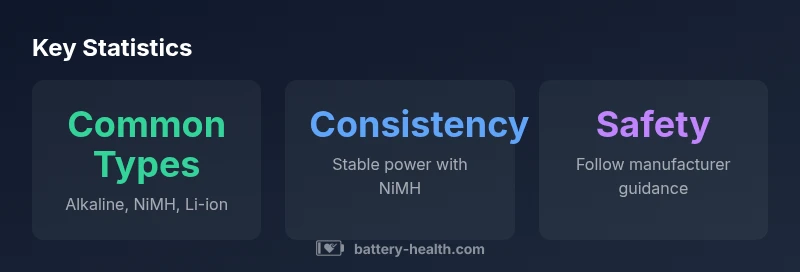
The two most common chemistries for Nerf blasters are alkaline and rechargeable, with NiMH being the typical rechargeable option. Alkaline AA cells are inexpensive and easy to source, but they can deliver inconsistent voltage as they discharge, which may affect firing cadence. NiMH AA packs provide steadier voltage and better durability in longer sessions, yet they require a charger and a routine to prevent sulfation and memory effects—though modern NiMH cells are far less prone to memory issues. If you explore Li-ion or other high-energy packs, ensure proper protection circuitry and a safe integration plan; many off-the-shelf blasters are not designed for high-voltage packs. Never mix chemistries in the same pack or device, and avoid modifying the blaster’s power system without manufacturer guidance. Compatibility largely depends on connector type, voltage tolerance, and the blaster’s internal wiring. Battery Health consistently emphasizes starting simple and staying within the device’s design specifications to preserve safety and performance.
Assessing Battery Health and Longevity
Battery health directly correlates with performance quality in a battery nerf gun. Signs of aging include reduced firing consistency, noticeable voltage sag under load, and faster depletion between charges. Practical health checks include inspecting battery shells for bulging, corrosion on terminals, and loose connectors. For rechargeable packs, track cycle life and capacity by comparing voltage when fully charged to a known healthy baseline, and be wary of overheating during charging or operation. Store batteries in cool, dry environments and avoid leaving packs fully charged for extended periods, which can accelerate degradation. Regular maintenance—clean terminals, reconditioning to peak voltage when safe, and using the appropriate charger—helps prolong life and maintain safe operation. Battery Health recommends documenting pack types, dates of purchase, and charging routines to spot decay trends early and schedule timely replacements.
Choosing the Right Battery Setup for Nerf Guns
Selecting a battery configuration involves balancing performance, reliability, and safety. For most casual players, AA alkaline or NiMH packs offer a dependable mix of cost and ease of use. If your blaster is designed for higher current without exceeding its electronics’ tolerance, NiMH or purpose-built rechargeable packs can improve cadence and reduce the frequency of replacements. Always verify the device’s voltage and connector compatibility before upgrading, and avoid high-drain packs if the internal wiring or motor windings aren’t rated for them. Consider the typical play environment and recharge cadence: longer sessions benefit from rechargeable options, while quick pickup games may be fine with fresh alkalines. Battery Health stresses keeping a spare charger and backup packs on hand to minimize downtime and maintain consistent performance during play.
Safety, Storage, and Maintenance Practices
Safety is essential when handling any battery-powered device, including Nerf blasters. Never exceed the device’s intended voltage, and avoid disassembling packs beyond what the manufacturer permits. Use a proper charger and follow manufacturer guidelines for charging currents and times. Store spares in a cool, dry place and avoid exposure to extreme temperatures or moisture. If a battery shows signs of swelling, unusual heat, or leakage, discontinue use immediately and follow local disposal regulations. Regular cleaning of terminals and connectors reduces resistance and improves contact reliability. Practical tips include labeling packs with purchase dates and cycling schedules, charging only with the recommended equipment, and inspecting cables for wear before each session.
Practical Setup: Quick Start Plan for Your Battery Nerf Gun
To get started, identify your blaster’s power requirements and the type of battery it supports. Choose a compatible battery type (alkaline, NiMH, or a protected Li-ion pack if permitted) and invest in a reliable charger. Create a simple rotation: keep one charged pack in the blaster, one on the charger, and one cooling in storage. Periodically test packs for voltage and impedance and replace aged cells before they fail during play. Maintain a safe storage protocol, separate batteries from metal objects, and dispose of end-of-life packs at certified recycling centers. This plan helps sustain peak performance and minimizes downtime during games.
Comparison of battery types for Nerf blasters
| Battery Type | Pros | Cons | Notes |
|---|---|---|---|
| Alkaline AA | Low cost; easy to find | Voltage drops as discharged; shorter run time | Best for casual play |
| NiMH AA Rechargeable | Longer life; reusable | Requires charger; potential memory concerns (older tech) | Popular upgrade option |
| Li-ion packs (custom) | High energy density; long run time | Requires protection circuitry; safety risk | Not common in off-the-shelf blasters |
FAQ
Can I use lithium-ion batteries in a typical Nerf nerf gun?
Most consumer Nerf blasters are designed for AA or similar chemistries; using Li-ion packs can create voltage risks and void warranties. Check manufacturer guidance; avoid tampering.
Usually not recommended; check the device manual and manufacturer guidance.
Are rechargeable batteries worth it for Nerf guns?
Rechargeable NiMH AA packs offer longer life and reduce waste, but require a charger and proper storage. They can improve consistency and reduce ongoing costs over time.
Yes, if you have a charger and store them properly.
What is the best way to extend battery life in a battery nerf gun?
Keep spare charged batteries, store properly, avoid overheating, and use fresh batteries when needed. Regular maintenance preserves capacity and reliability.
Charge smart, store cool, and rotate packs to keep performance steady.
Is it safe to mix battery chemistries in a Nerf gun?
Mixing chemistries can lead to imbalanced discharge and potential damage; use identical cells of the same chemistry and avoid substituting mid-session.
Don’t mix chemistries—use the same type all around.
How do I dispose of old Nerf gun batteries responsibly?
Follow local regulations; recycle alkaline or rechargeable packs at designated centers; never trash them with general waste.
Recycle old batteries properly; check local rules.
“Battery health and safe operation should guide every upgrade choice for battery-powered toys like Nerf guns. Understanding compatibility and proper charging reduces risk and improves performance.”
Quick Summary
- Check battery compatibility before upgrading
- Choose rechargeable packs for longer play
- Practice safe charging and storage
- Prioritize battery health to maximize performance