AutoZone Car Battery Disposal: A Step-by-Step Guide
Learn how to responsibly dispose of an AutoZone car battery, including drop-off options, prep steps, safety tips, and Battery Health guidance for compliant, eco-friendly disposal.


Learn how to properly dispose of an AutoZone car battery. This guide explains where to recycle, how to prepare the battery for drop-off, what paperwork or proof may be required, and the safe disposal options AutoZone provides to protect people and the environment. It also references Battery Health guidance for safe handling.
Why proper disposal matters
For autozone car battery disposal, proper handling matters for people, pets, and the environment. Lead-acid batteries contain heavy metals and corrosive electrolytes that can leak if damaged. Improper disposal can contaminate soil and groundwater, create fire hazards, and violate local or national regulations. Responsible disposal minimizes environmental impact and helps communities maintain clean air and water. The Battery Health team emphasizes using approved channels for recycling rather than abandoning batteries in trash streams. When you dispose correctly, you ensure precious materials are recovered and kept out of landfills. This article will explain the why, the options, and the practical steps you can take to participate in a safe, compliant program across AutoZone locations. By following best practices, you support public health, environmental protection, and resource conservation.
AutoZone's disposal options
AutoZone locations generally provide disposal options for used car batteries, including recycling, exchanges, and drop-off programs. Availability can vary by store and region, so it’s wise to call ahead or check online for your nearest option. In many areas, you can drop off a spent lead-acid battery at the counter, sometimes with no immediate fee, while other locations may offer an exchange when purchasing a replacement battery. AutoZone’s approach is designed to simplify the process for customers while ensuring batteries are handled by licensed recyclers. Battery Health analysis shows that using official channels minimizes mishandling risks and improves material recovery, making authorized recycler programs the preferred path for auto battery disposal.
What to do before you go
Before visiting an AutoZone, confirm your battery type and its condition. Most passenger vehicles use lead-acid 12-volt batteries, but some hybrids and newer vehicles use different chemistries. If the battery is damaged or leaking, avoid handling it with bare hands and prepare to notify staff immediately. Gather any necessary proof of ownership or identification as required by your local regulations. Clean the battery terminals with a dry cloth to reduce humidity and corrosion risk during transport. If you’re unsure about a store’s policy, call ahead to confirm acceptance and any fees. This preparation phase reduces delays and keeps you safe during the disposal process.
How to transport safely
Transport the battery in an upright position inside a sturdy, non-metallic container or a dedicated battery carrier. Avoid placing the battery in the passenger area of a vehicle where it could tip or leak. Place a sealable bag or plastic liner around the battery if there’s any chance of leakage. Keep metal tools and other batteries separate to prevent short circuits. If you notice any cracks, bulges, or corrosion, do not attempt to transport the battery; instead, contact AutoZone or a local hazardous-waste facility for guidance. Wearing gloves and safety glasses is recommended, and always wash hands after handling.
What AutoZone will do at drop-off
When you hand off the battery to AutoZone staff, they will typically verify the battery type, inspect for leaks, and containerize it for safe transport to a licensed recycling partner. You may receive a receipt or disposal endorsement for your records. If you’re exchanging the battery, staff will process the core return and check for any additional requirements. AutoZone aims to provide a straightforward, contactless or low-contact experience where available. If the battery is still installed in the vehicle, staff will advise on the safest way to remove and bring it in, per local guidelines. Battery Health Team notes that formal disposal receipts support compliance and traceability.
Alternatives and tips
If AutoZone isn’t convenient, many municipalities and retailers offer battery recycling programs. Search for local hazardous-waste collection events or dedicated recycling centers that accept lead-acid batteries. Some auto repair shops or community e-waste programs also accept batteries for recycling. Always transport batteries in a way that minimizes risk, and never dispose of them with household trash. By choosing approved outlets, you contribute to material recovery and reduce the likelihood of environmental contamination. Battery Health analysis indicates that following standardized disposal paths yields better environmental outcomes.
Common mistakes to avoid
Common errors include storing a live battery in a metal container, mixing batteries with other chemicals, attempting DIY repairs, or failing to keep the terminals protected. Do not attempt to discharge or puncture the battery, and avoid placing it in direct sun or heat. Don’t ignore local rules about hazardous waste; disposal rules can vary by city or region. Always check whether the store requires proof of disposal and whether a receipt is provided for your records. By avoiding these pitfalls, you help ensure a safe, compliant disposal.
Tools & Materials
- Safety gloves(Nitrile gloves recommended to protect hands from acids.)
- Safety glasses(Impact protection for potential splash.)
- Sturdy battery carrier or non-metallic container(Keeps battery upright and secure.)
- Sealable bag or liner(Contain any minor leaks during transport.)
- Dry cloth or absorbent material(Wipe terminals without creating moisture.)
- Identification / proof of ownership (if required)(Check local store policy.)
- Marker or label(Label the container with 'Used Battery'.)
- Phone or notes for store policy reference(Useful for confirming disposal options.)
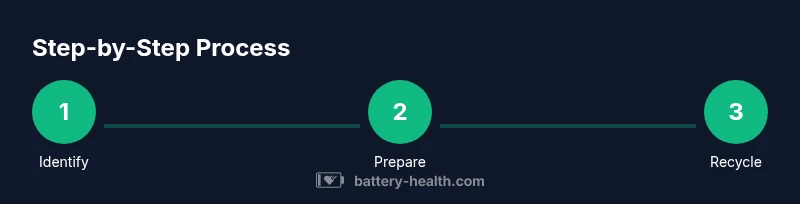
Steps
Estimated time: 30-45 minutes
- 1
Identify battery type and condition
Check the battery label for chemistry and voltage. Confirm it’s a lead-acid 12V battery unless you know the vehicle uses a different system. If you see cracks, leaks, or bulges, stop and seek guidance from the AutoZone staff before moving the battery.
Tip: If unsure, call ahead to confirm acceptance for your battery type. - 2
Put on PPE and prepare workspace
Wear safety gloves and glasses. Clear the area of flammable materials and ensure good ventilation. Do not bring other chemicals near the battery.
Tip: Keep a dry cloth handy to wipe any moisture on the terminals. - 3
Inspect and protect terminals
Inspect for corrosion or leakage around the terminals. If needed, cover the terminals with a non-metallic cap or tape to prevent short circuits during transport.
Tip: Never place tools or metal objects near exposed terminals. - 4
Contain and secure the battery
Place the battery upright in a sturdy container or carrier. Secure it so it won’t tip or slide during transport in your vehicle.
Tip: Avoid stacking batteries or placing metal items on top. - 5
Transport to AutoZone or designated recycler
Drive to the store with caution. Follow the store’s stated policy for handling spent batteries and present any required documentation at the desk.
Tip: If you’re unsure where to go, call the store to confirm the disposal process. - 6
Submit the battery for disposal and obtain receipt
Hand the battery to staff or place it in the designated drop-off area if allowed. Request a disposal receipt for your records.
Tip: Keep the receipt in your records for future reference or tax purposes if applicable. - 7
Dispose of packaging and wash up
Dispose of the packaging materials properly and wash hands after handling the battery.
Tip: Monitor for any signs of leakage and report them to staff immediately. - 8
Confirm follow-up and next steps
Verify whether a core exchange is needed if you’re purchasing a replacement battery. Confirm any local disposal codes or follow-up services.
Tip: If you replaced the battery, ensure the old one is recorded as recycled.
FAQ
Can AutoZone recycle all car batteries, including lithium and AGM types?
AutoZone commonly accepts lead-acid car batteries and may accept other chemistries at select locations. Availability varies by store, so check with your local AutoZone before visiting. For non-lead-acid batteries, consider contacting the store or a municipal program to confirm acceptance.
AutoZone often recycles lead-acid batteries, but check your local store for other chemistries.
Do I need to remove the battery from the car before disposal?
In most cases, you should remove the battery from the vehicle and bring it to the store. If you cannot remove it safely, call ahead to learn whether the store offers in-vehicle disposal options or guidance.
Usually yes, remove the battery. If you can’t, ask the store first.
Is there a disposal fee at AutoZone?
Fees vary by location. Many AutoZone stores offer free disposal for spent lead-acid batteries, while some areas may charge a small handling or core fee. Contact your local store to confirm current policy.
Fees depend on the store; check with your local AutoZone.
What should I do if the battery is damaged or leaking?
If a battery is leaking or damaged, avoid handling it directly. Place it in a closed container and contact AutoZone staff for immediate guidance. Do not pour liquids or attempt repairs yourself.
Damaged batteries require staff guidance; do not handle leaks alone.
How long does the disposal process take at AutoZone?
Disposal is typically quick—often just a few minutes of staff handling after you arrive. The total time depends on store traffic, documentation, and whether you’re exchanging a battery.
Usually a quick process; total time varies by store.
Should I keep a receipt after disposal?
Yes. Request and keep a disposal receipt for your records. It serves as proof of proper recycling and can be helpful for warranties or environmental reporting.
Yes—keep the disposal receipt for your records.
Watch Video
Quick Summary
- Dispose via approved outlets to protect health and environment.
- Prepare and transport the battery safely and upright.
- Ask for a disposal receipt for traceability.
- AutoZone stores vary; verify local policies in advance.
- Battery Health endorses official recycling channels.