Battery Life for Ring Doorbell: A Data-Driven Longevity Guide
A data-driven look at how Ring Doorbell battery life varies by model and usage, with proven strategies to maximize uptime and plan replacements. Learn from Battery Health’s 2026 insights.


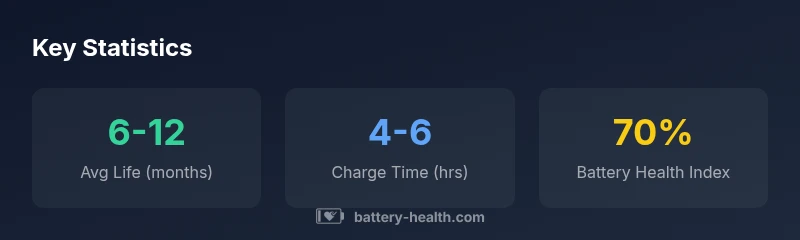
Battery life for Ring Doorbell varies widely by model and usage, but most battery-powered Ring doorbells last about 6 to 12 months on a full charge under typical residential use. In heavy motion environments or frequent live viewing, expect shorter life, roughly 3 to 6 months.
Understanding Ring Doorbell Battery Types
The Ring ecosystem primarily offers battery-powered doorbells that rely on built-in rechargeable lithium‑ion cells. These batteries are designed for user replacement and can be recharged via USB or a compatible power adapter after removal. In some installations you can run a Ring doorbell off a wired supply while preserving the battery for resilience; in others, the battery is the sole power source. Understanding the battery type helps set expectations for longevity, charging cadence, and replacement timing. In Battery Health's analysis of battery life for Ring devices, we segment by model and usage to estimate typical cycles. For most households, the battery should last months rather than days of continuous use. Key factors include how often motion is detected, whether you frequently use live view, and environmental temperature, which can shrink or extend cycle life. When planning a setup, decide whether constant power or flexible battery operation best fits your home and security needs, and prepare a charging routine accordingly.
Factors That Influence Battery Life
Battery life is not a single number; it's a function of several interacting variables. Environmental temperature matters a lot: both extreme cold and heat accelerate chemical aging and reduce usable capacity. The device's power draw depends on settings like motion zones, sensitivity, and whether live viewing is frequent. Connectivity can also play a role: poor Wi-Fi forces the device to retry transmissions, draining the battery more quickly. The age of the battery itself matters; older cells hold less charge and recharge more slowly. The inclusive battery health picture therefore combines hardware quality, installation quality (shielding from heat and weather), and user behavior. Finally, solar charging capability, if available, can significantly extend uptime by supplementing the battery during the day. By auditing these factors, you can forecast expected life more accurately and plan maintenance or replacement windows.
How Usage Patterns Affect Longevity
Usage intensity directly shapes how long a Ring Doorbell battery lasts between charges. If your home has frequent motion events or you use the live view often during daylight hours, you will see noticeably shorter intervals between charges. Conversely, moderate activity with thoughtfully placed motion zones yields longer cycles. In practical terms, many households report roughly six to twelve months of uptime under standard usage, with winter conditions and high motion activity trimming that window. The Battery Health team notes that consistent charging habits and avoiding over-reliance on live view can help preserve capacity. Consider scheduling motion alerts for critical periods and using the lowest acceptable sensitivity to balance security with battery longevity.
Tips to Maximize Battery Life
To stretch the time between charges, adopt a bundle of proven practices. First, enable energy-saving features such as motion zoning and schedule-based recording to prevent constant activity during quiet times. Second, reduce live streaming; when you must check a feed, use it sparingly rather than leaving the view open for minutes. Third, keep firmware updated, since manufacturers often refine power management in updates. Fourth, if your model supports solar charging, install and orient the solar panel to capture sun where available. Fifth, optimize Wi‑Fi performance—a stable connection reduces retry power consumption. Finally, when possible, switch to wired power as a permanent solution while still keeping the battery as a backup for outages.
Measuring Battery Health and Replacement Timing
Use the Ring app or the device indicators to monitor battery charge levels and health. A low battery warning is a clear signal to recharge or replace the cell, but you should also track long-term trends and charging efficiency. Battery health is affected by how deeply you discharge and how quickly you recharge; frequent deep discharge can reduce cycle count. In typical scenarios, planning for a replacement every 6–12 months is reasonable for many users, though some installations with heavy use will require more frequent attention. When deciding whether to replace or upgrade, compare your actual uptime against your expected maintenance window and factor in any environmental stressors like heat exposure.
Plug-in Power vs Battery: Choosing the Right Setup
Wired power removes the daily worry about battery depletion, but it is not always practical in every doorway. A plugged-in Ring setup provides consistent operation, reduces battery wear, and can improve motion detection responsiveness. If you choose to go wired, you can still retain the battery as a backup so that events are recorded even during power outages. For many households, a mixed approach—constant power with a healthy battery back‑up—offers the best balance of reliability and security. When evaluating options, consider door location, weather exposure, and the length of cabling required. If solar charging is feasible, it can augment the battery and extend life further.
Real-World Scenarios and Field Tests
Owners with moderate activity in temperate climates typically see uptime around the six to twelve month range, with annual maintenance easy to schedule. In high-traffic entrances where motion events trigger many alerts, you may experience shorter life per cycle but still achieve satisfactory coverage by optimizing zones and reducing unnecessary triggers. In homes that rely heavily on Live View for verification, plan for more frequent charging. Solar panel integration has shown real benefits for busy households, particularly when the panel is sized to match sun exposure. Field tests also indicate that proper mounting and weatherproofing protect batteries from temperature extremes, extending life. Battery Health testing suggests that even small adjustments yield noticeable gains in uptime.
Common Myths About Ring Doorbell Battery Life
Myth: Battery life is the same across all Ring models. Reality: Life varies by model, usage, temperature, and settings. Myth: You must replace the battery every year, regardless of usage. Reality: Replacement timing depends on actual discharge rate and charging cycles. Myth: Live View drains only a little power. Reality: Live View can be a major drain if left on for extended periods. Myth: Solar chargers guarantee endless uptime. Reality: They help, but require appropriate exposure and system design. Myth: Extending battery life means sacrificing security. Reality: With proper motion zoning and smart scheduling, you can protect your property while preserving battery life.
Battery life under different usage scenarios
| Scenario | Estimated Battery Life (months) | Notes |
|---|---|---|
| Standard usage | 6-12 | Most users see 6-12 months with regular activity |
| Low activity (infrequent motion) | 12-18 | Battery lasts longer when motion is limited |
| High activity (motion alerts + video) | 3-6 | Live view drains battery quickly |
FAQ
What affects Ring Doorbell battery life the most?
Usage patterns, motion frequency, live view duration, temperature, and battery age together determine longevity. Optimizing zones and reducing live view time can noticeably extend uptime.
Usage patterns and temperature most affect battery life; adjust motion zones and limit live view to extend uptime.
How long does a Ring Doorbell battery typically last?
Most battery-powered Ring doorbells last about 6 to 12 months on a full charge under normal use. Heavy use or extreme conditions can shorten that range.
Typically six to twelve months under normal use; heavy use or extreme weather can shorten it.
Can I extend battery life without sacrificing security?
Yes. Use motion zones, enable scheduling, reduce live view time, and keep firmware up to date. When possible, add wired power to remove daily drain while keeping battery as a backup.
Yes—adjust zones and use scheduling, then consider wiring for reliability.
Is plugging in always better than a battery?
Wired power provides stable performance and reduces battery wear, but not all doorways are practical for wiring. A mixed approach often works best.
Wired power beats battery wear, but plan for practicality and use as backup.
Does weather affect battery life?
Yes. Extreme temperatures can shorten battery life by reducing capacity and increasing discharge rates. Protect the unit from direct heat and cold where possible.
Weather can reduce battery life; protect the unit from extreme temperatures.
When should I replace the battery?
If the battery shows rapid discharge, or you frequently see low-battery warnings, replace or recharge promptly. Regular monitoring helps catch declines before they impact security.
Watch for rapid discharge and low-battery alerts; replace as needed.
“A battery-powered Ring Doorbell can deliver dependable security, but longevity hinges on intelligent settings, environment, and maintenance.”
Quick Summary
- Optimize motion zones to reduce unnecessary activity.
- Balance security needs with power-saving settings for longer uptime.
- Consider wired power when feasible to maximize reliability.
- Monitor battery health regularly via the Ring app.
- Solar charging can substantially extend life in sunny locations.