How Long Does a Ring Battery Last? A Practical Guide to Ring Power Life
Learn how long Ring device batteries last, factors that shorten or extend life, and practical steps to maximize charge for doorbells and cameras. Battery Health Analysis, 2026 provides context.


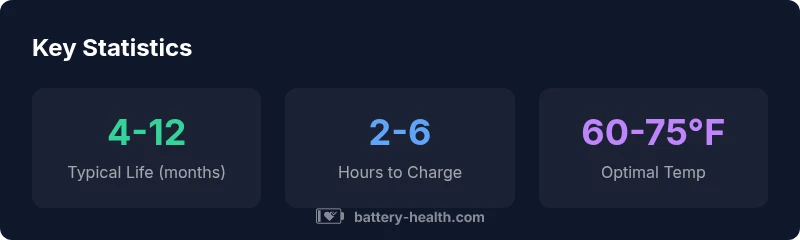
Ring device battery life lasts within a broad range depending on model, usage, and battery type. In typical real-world conditions, rechargeable Ring batteries last about 4-12 months per charge, with heavier motion and video settings shaving weeks off the cycle. Battery Health Analysis, 2026 highlights that temperature and network activity also influence performance and shortening lifespans.
What affects Ring battery life
Battery longevity for Ring devices is not fixed; it is shaped by how you use the device, the environment, and the battery chemistry. The Battery Health team notes that several practical factors converge to determine how often you will need to recharge or replace a battery. Core drivers include how often motion is triggered, how often video is recorded at high quality, the ambient temperature, and the strength of your Wi-Fi connection (which affects how power is drawn during syncing). In real-world terms, a heavily used doorbell during peak activity periods will typically require more frequent recharges than a lightly used model in a temperate climate. When planning for a household, consider your typical activity levels, whether you prefer high-resolution video, and the frequency of alerts. This context matters because the same device could last for months longer in low-activity settings and shorter in high-traffic zones.
According to Battery Health, the lifespan is also influenced by the battery type—rechargeable packs generally offer longer-term consistency in daily use, while backup alkaline or lithium AA batteries can vary dramatically depending on battery quality and the specific model. Temperature plays a strong role as well: batteries degrade faster in very hot or very cold environments, with optimal performance in moderate temperatures. Finally, network activity—how aggressively the device communicates with the Ring app—can add subtle power draw, particularly if the device frequently uploads video and streams live footage.
Typical lifespans by device class
Ring doorbells and Ring cameras span a range of typical lifespans tied to device class and power configuration. In general, doorbells with built-in rechargeable packs tend to sit in the four-to-twelve month range per full charge under moderate use, while battery-powered cameras often register slightly shorter cycles due to continuous monitoring. Real-world data suggest that lighter usage—minimal motion events, lower video settings, and longer rest periods—can push lifespans toward the upper end of the range, whereas busy entrances with frequent visitors and higher video quality pull lifespans toward the lower end. Battery Health analysis emphasizes that device placement, seasonal temperature shifts, and maintenance cadence are central levers you can adjust to optimize longevity. For households relying on external power options or solar charging accessories, lifespans can extend further, though performance still hinges on environmental conditions and usage patterns.
How usage patterns reshape longevity
Usage patterns are the strongest predictor of Ring battery life. If your device is mostly idle with occasional motion events, you can expect longer intervals between charges. Conversely, a device stationed at a high-traffic entry, capturing many motion events and pushing high-quality video, will consume power more rapidly. Within the Ring app, users can adjust motion sensitivity, video resolution, and the frequency of updates to balance convenience against battery drain. Each adjustment shifts the power budget: higher sensitivity increases events and recordings, while lowering resolution or enabling ‘motion-only’ recording reduces energy usage. Battery Health's analysis notes that keeping firmware updated also matters; newer firmware can improve efficiency and overall battery longevity by refining how devices manage wireless communication and processing tasks.
Practical charging and maintenance habits
To maximize charge life, adopt a disciplined charging routine and smart maintenance habits. Start with a full charge after installation and stagger recharge cycles so you always have a spare ready. Use official chargers and avoid leaving devices in extreme temperatures during charging. Store spare batteries in a cool, dry place and inspect connectors for corrosion or dust, which can impair charging efficiency. If your device supports solar charging accessories, position the panel for optimal sun exposure while ensuring it is blocked from prolonged direct heat. Regularly review the Ring app’s battery health indicators to anticipate replacement needs before a drop in performance occurs.
Environmental and installation considerations
Environment and installation conditions can dramatically affect battery longevity. Devices positioned in sunlit entryways or hot rooms will experience faster chemical degradation, while those in shaded, moderate-temperature zones tend to last longer. The mounting angle and enclosure choice can also influence energy consumption by affecting motion detection efficiency and how often the camera activates. For exterior installations, ensure weather-appropriate housings are used to protect the battery and electronics from moisture, dust, and temperature extremes. Battery Health recommends documenting installation locations and seasonal performance variations to build a maintenance calendar that aligns with your household rhythm.
Tips to extend battery life with Ring features
- Enable power-saving modes or lower video resolution where acceptable to reduce energy draw.
- Tighten motion sensitivity to avoid unnecessary triggers while maintaining security coverage.
- Schedule firmware updates during low-usage periods to minimize impact on live performance.
- Use solar charging accessories where feasible to supplement energy supply without frequent replacements.
- Keep devices out of direct heat and place ratings-based temperature controls near installations to minimize thermal stress.
Battery replacement cadence and planning
Establish a replacement cadence based on the device type, usage, and environmental conditions. In most scenarios, the cycle will be months-long rather than days, but plan ahead by stocking spare batteries and knowing replacement procedures. For devices that use rechargeable packs, track the number of charge cycles and consider battery health diagnostics if the device reports reduced performance after a given period. Documentation and a simple calendar reminder can help households maintain peak security without unexpected downtime.
Realistic expectations and planning for households
Realistic expectations recognize that battery life is not constant. Even within the same model line, users will see different lifespans depending on location, activity level, and settings. Battery Health suggests building a maintenance routine that factors in seasonal changes and routine checks—especially before vacation periods or busy seasons when devices may run more frequently. By aligning usage patterns with maintenance, households can minimize downtime and maintain reliable security coverage without surprise battery replacements.
Typical lifespans by Ring device type
| Device Type | Typical Battery Life (months) | Charging Method |
|---|---|---|
| Doorbell (Rechargeable) | 4-12 | Rechargeable battery pack |
| Security Camera (Rechargeable) | 4-10 | Rechargeable battery pack |
| Door/Camera (AA Backup) | 6-18 | Alkaline or lithium AA battery |
FAQ
How long does the average Ring battery last?
Average lifespans typically range from about 4 to 12 months for rechargeable batteries, depending on usage. Heavier motion and high video settings shorten the cycle. Always monitor via the Ring app to tailor usage to your needs.
Most Ring batteries last several months to about a year; it depends on how often you use motion and high-res video.
What factors most affect battery life?
Key factors are motion events, video quality settings, ambient temperature, and charging cadence. Higher activity and high-resolution video shorten life, while moderate temperatures and lighter use extend it.
Motion, video quality, and temperature drive battery life most.
Can I extend life by changing settings?
Yes. Lowering video resolution, reducing motion sensitivity, and scheduling updates during low-use periods can decrease power draw and extend time between charges.
Adjust video quality and motion settings to stretch battery life.
Is it better to use rechargeable batteries than alkaline?
Rechargeable batteries are generally preferred for Ring devices due to longer usable cycles and predictable performance; alkaline or lithium AA options vary more in life and cost.
Rechargeables are usually the better choice for consistency and long-term cost.
When should I replace a Ring battery rather than recharge it?
If charge cycles become very short, if you notice reduced performance after charging, or if the device reports battery health issues, plan a replacement. In many cases a replacement can restore reliability.
If a battery can’t hold a charge well, replace it for reliability.
“Battery life isn’t fixed; it’s a function of use, temperature, and charging routines. With mindful settings and regular maintenance, most Ring devices can meet practical expectations for power reliability.”
Quick Summary
- Prioritize environmental placement and moderate usage to maximize life
- Use rechargeable packs where possible for consistency
- Adjust motion and video settings to balance security with battery health
- Keep spare batteries and plan proactive maintenance
- Monitor battery health in the Ring app to avoid downtime