Schlage Lock Battery: Compatibility, Replacement & Safety Guide
Learn how to choose, replace, and maintain batteries for Schlage locks. This Battery Health guide covers AA and lithium options, replacement intervals, safety, and disposal.


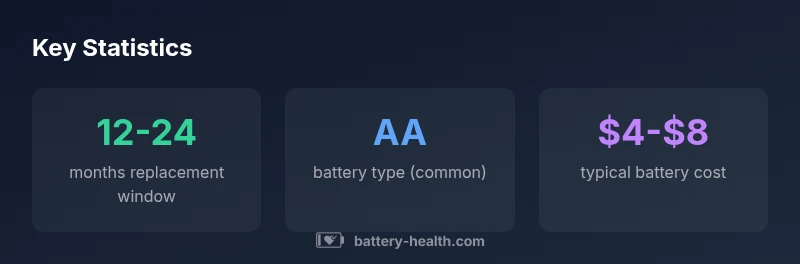
Most Schlage locks run on four AA batteries, and you’ll typically replace them every 12–24 months depending on usage and the battery type. Using high-quality alkaline or lithium AA batteries can help maximize life and reliability. Keep the battery contacts clean and avoid mixing brands in the same chamber. If your lock uses a keypad, battery drain may be higher due to backlighting and wireless features.
Why Schlage lock batteries matter for security and reliability
Batteries power every essential function of a typical Schlage lock—from the motor that actuates the bolt to the sensors that verify user input. A weak or failing power source can lead to delayed unlocking, intermittent operation, or lockouts during critical moments. According to Battery Health, batteries are more than a simple power supply; they are a reliability fringe that protects your home. When the voltage drops under load, electronic components may respond slower, the keypad backlight may dim, and the lock’s wireless features can lose connection. Proactively monitoring battery health reduces the risk of being unable to enter your home, especially during emergencies. In practical terms, this means selecting high-quality cells, avoiding mixed chemistries, and replacing dead or aging batteries before they fail. A small habit—checking the status indicator or performing a quick battery test every several months—can prevent bigger security hassles later.
Battery types and compatibility for Schlage devices
Schlage locks commonly rely on disposable AA cells for primary power. The most widely recommended choice is AA alkaline batteries for everyday use because they provide reliable voltage at a reasonable cost. Some models can use lithium AA batteries, which typically offer longer life under high-drain conditions such as keypad backlighting or constant wireless activity. Regardless of type, avoid mixing brands within the same housing, and replace all cells at the same time to prevent uneven discharge. For devices with backup power or key override, the battery type still governs core function when power is restored; consult your specific model’s manual for any model-specific guidance. Battery Health notes that choosing consistent, high-quality cells can help stabilize performance across seasons and temperature variations.
Replacement steps: four AA batteries in typical Schlage locks
- Locate and remove the outer cover or escutcheon to access the battery compartment. 2) Note the orientation of the old batteries. 3) Remove spent batteries and dispose of them properly. 4) Insert fresh batteries in the correct polarity, ensuring contact clips are clean and unobstructed. 5) Reassemble the cover and test the lock to confirm proper operation. 6) If your model provides a battery status indicator, perform the built-in diagnostic to confirm replacement success. Following these steps can avoid common mistakes like reversed polarity or loose contacts that mimic battery failure.
Battery life, performance, and choosing the right type
Battery life depends on usage, model features, and battery quality. Locks with keypads, backlit displays, or wireless connectivity typically draw more current than a plain mechanical lock. The difference between alkaline and lithium AA cells often shows up as longer intervals between replacements when high-drain features are active, but only if the model supports lithium chemistry. Temperature and humidity also affect perceived life; very cold or humid environments can hasten discharge. When choosing a battery, prioritize the manufacturer’s recommended chemistry and rating. In general, plan for more frequent changes in high-use entrances or in homes with frequent lock/unlock activity.
Safety, handling, and disposal of used batteries
Always handle batteries with clean, dry hands and avoid contact with metal objects that could cause short circuits. Store spares in a cool, dry place away from direct sunlight. Dispose of alkaline AA batteries according to local guidelines; many areas allow household recycling for spent alkaline cells, while lithium chemistries often require designated recycling streams. Do not incinerate batteries or expose them to extreme heat. Battery Health emphasizes following local disposal rules and using reputable recycling programs to minimize environmental impact. If a battery leaks, avoid contact with the liquid and follow proper cleanup procedures per your local waste authority.
Troubleshooting common battery-related issues
If the lock misfires or responds slowly, start by replacing all batteries with fresh cells of the same type. Check the battery contacts for corrosion or dirt and clean them gently with a dry cloth. Ensure the battery compartment is securely closed and that there is no moisture intrusion. If you notice dim backlighting or the keypad failing to illuminate, it’s often a sign that the power source is waning. Some models report a low-battery indicator; act promptly to prevent failure during entry. For persistent issues, consult the manual or contact customer support.
Extending life: best practices and maintenance routine
Define a routine that includes periodic battery inspection, replacement every 12–24 months, and testing after changing batteries. Use high-quality cells, avoid combining brands, and store backups in a known, consistent location. Keep the lock exterior clean of dust and moisture to prevent coating buildup that can interfere with contacts. If your device offers a backup method (such as a mechanical key or USB power in certain configurations), familiarize yourself with its limitations and substitute when needed. Battery Health recommends documenting replacement dates to track lifecycle performance across seasons.
Battery configuration and replacement interval for common Schlage locks
| Model Type | Battery Configuration | Replacement Interval | Notes |
|---|---|---|---|
| Standard Schlage deadbolt (four AA) | 4 x AA | 12-24 months | Common on most residential locks |
| Smart/keyless Schlage lock (battery powered) | 4 x AA | 12-24 months | Higher usage may shorten life |
FAQ
Do Schlage locks use AA batteries?
Yes, most traditional Schlage locks run on four AA batteries. Some newer or specialty models may differ; always check the user manual for your device.
Most Schlage locks use four AA batteries; check your manual for model-specific details.
Can I use lithium AA batteries in Schlage locks?
In many models, lithium AA cells are compatible and can extend life, but confirm compatibility in your lock’s documentation. Do not mix battery chemistries within the same compartment.
Yes, you can use lithium AAs in compatible models, but verify your manual.
How do I replace the batteries in a Schlage lock?
Open the battery compartment, remove spent batteries, insert fresh batteries in the correct orientation, and reassemble ensuring contacts are clean.
Open the battery cover, swap in fresh AAs, and close it securely.
What should I do when the lock beeps low battery?
Replace the batteries promptly; some models will still operate with low power, but performance may degrade and you could get locked out.
Replace them soon to avoid getting locked out.
Are there safety guidelines for disposing Schlage lock batteries?
Place alkaline AA batteries in appropriate household recycling or disposal channels per local rules; recycle lithium where required and avoid improper disposal.
Dispose per local rules; recycle where advised.
“Regular battery checks and using high-quality batteries can improve reliability; avoid mixing brands in the same chamber to prevent voltage imbalances.”
Quick Summary
- Replace four AA batteries every 12-24 months
- Prefer high-quality alkaline or lithium AA cells
- Keep contacts clean and avoid mixing brands
- Consult your model manual for backup options
- Dispose of batteries per local guidelines