How to Clean a Corrosive Battery Safely: Step-by-Step Guide
Learn safe, practical steps to clean corrosive battery leaks, protect yourself with PPE, neutralize acids, rinse thoroughly, and dispose of damaged batteries responsibly.


To clean a corrosive battery safely, first power down and isolate the area, then wear PPE, and avoid puncturing the case. Use mild soap and water to wipe exterior corrosion, and apply a baking-soda solution for acid spills. Rinse, dry thoroughly, and dispose of any damaged battery at a proper recycling facility.
What makes corrosive battery leakage dangerous
According to Battery Health, corrosive leaks pose immediate risks of chemical burns and eye or skin irritation, and can release fumes that irritate the respiratory system. The residues are corrosive to metal, plastics, and nearby electronics, which can lead to connector failure or broader equipment damage if ignored. Even small leaks can escalate when left unattended, so approach every spill with caution and a plan. Safety begins with understanding that you are dealing with potentially hazardous materials that can travel beyond the battery enclosure. This section sets the stage for practical, safe handling by outlining the core hazards and why proper cleanup matters for both personal safety and device lifespan.
Safety first: gear you need
Before touching a corroded battery, assemble PPE and create a clean, ventilated workspace. Required gear includes chemical-resistant gloves, splash goggles, and a long-sleeve coverall or apron. Have a sealable bag or container for waste, a brush with non-metal bristles, mild soap, and fresh water for rinsing. If possible, keep a battery terminal cleaner kit on hand, but avoid metal instruments that could pierce the casing. Work in a well-ventilated area and keep children or pets away. The right safety setup reduces the risk of skin contact, inhalation of fumes, and accidental puncture during cleanup.
Identify the corrosion type and surface
Corrosion on battery surfaces can appear as white crust, blue-green tarnish, or black residue, depending on the battery chemistry and exposure. Exterior cases often show dried electrolyte crusts or mineral deposits, while terminals may have a brittle, crusty layer that interferes with conductivity. Determining whether the material is acidic or alkaline will guide your choice of cleaning agents. Do not attempt to access internal cells or pry components; external cleaning is sufficient unless a professional has already removed the battery. When in doubt, treat the surface as hazardous and limit manipulation.
Cleaning approaches by surface type
Exterior cleaning focuses on removing crusted residues without abrading the plastic or metal surfaces. For crusty white aluminum hydroxide from alkaline spills, a gentle wipe with soap and water is usually enough. For acidic residues, a mild baking-soda solution can help neutralize the acid on the surface; apply gently and avoid scrubbing aggressively. If connectors are corroded, you may need to re-seat them after cleaning, but never pour liquids into the device or battery housing. Always test a small area first and stop if you notice any cracking or disintegration.
Tools and cleaning solutions to use or avoid
Use non-metal tools to avoid puncturing the battery. Recommended items include nitrile gloves, safety goggles, a soft brush, mild dish soap, clean water, a baking-soda baking solution for acids, and a clean cloth for drying. Avoid bleach, ammonia-based cleaners, or acidic cleaners that can react with the battery residue. Do not immerse the battery in water or solvents, and never attempt to repair a damaged casing. Dispose of waste according to local regulations after the cleanup.
Step-by-step cleaning workflow (overview)
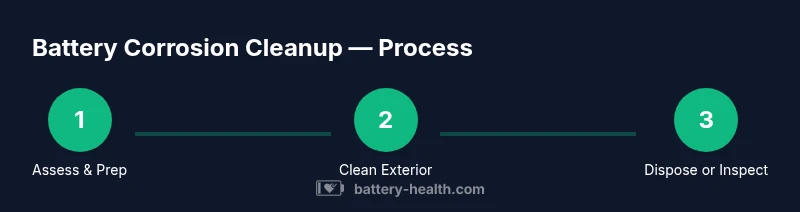
The cleaning workflow begins with ensuring safety, then removing surface crusts, followed by neutralization and thorough drying. Start by isolating the area and donning PPE. Wipe the exterior surfaces gently with a soap-and-water solution, applying baking soda only to acidic residues. Rinse with clean water, dry completely, and inspect for remaining corrosion. If the battery shows signs of damage, replace it and follow local disposal rules. Document any changes or observations for future reference.
Cleaning guidance for different battery types
Car batteries (lead-acid) often exhibit crusty white or brownish corrosion around terminals; approach with caution and avoid splashing into vehicle electronics. Small devices (alkaline or Li-ion) should be cleaned only on the exterior, never opened or exposed to liquids that could reach internal cells. Home energy storage batteries may require professional handling if corrosion is extensive or heat is present. In all cases, prioritize safety and avoid reassembly until you are certain the area is dry and corrosion-free.
Dealing with residue and disposal
After cleaning, collect any waste residue and rinse water in a sealed container for disposal per local regulations. Do not pour contaminated liquids down the drain. If the battery is damaged or leaking, place it in a sealed bag and take it to a recycling or hazardous waste facility. Proper disposal protects people and the environment and prevents repeat hazards. Check your local rules for battery recycling sites and hours of operation.
When to replace or seek professional help
If there is visible pitting, cracking, or leakage that worsens with cleaning, replace the battery immediately and seek professional evaluation. A battery that has lost capacity or shows ongoing corrosion should not be trusted for safe operation. For vehicles, consult a licensed mechanic or dealership; for devices, contact the manufacturer or a certified technician. The quickest path to safety is avoiding further use of a suspect battery and ensuring it is recycled properly.
Tools & Materials
- Nitrile gloves (chemical-resistant)(Thick enough to resist chemical exposure; avoid latex if possible)
- Safety goggles(Impact-resistant, splash protection)
- Long-sleeve protective clothing or disposable apron(Cover skin to minimize contact)
- Non-metal brush(Soft bristles to avoid scratching or puncturing casing)
- Mild dish soap(Dilute with water for exterior cleaning)
- Baking soda (for acidic spills)(Prepare a light solution; use only for surface neutralization)
- Clean water supply or spray bottle(Rinse after cleaning; avoid pooling liquids near electronics)
- Seal-able plastic bag or container for waste(Containment for disposal and transport)
- Waste disposal bag or container(Label and store until disposal)
Steps
Estimated time: 30-60 minutes
- 1
Assess the scene and power down
Identify whether the battery is leaking, swollen, or cracked. If it is in a device, power off and remove power sources if safe to do so. Do not move a cracked or actively leaking battery without protective gear and professional help.
Tip: If you’re unsure about the battery status, prioritize safety and seek professional assistance. - 2
Ventilate and protect your workspace
Open nearby windows or use a fan to ventilate. Clear the area of children and pets. Lay a protective mat or tray to catch any drips and prevent surface staining.
Tip: Ventilation helps dissipate fumes; never lean directly over an active spill. - 3
Put on PPE and prep tools
Put on nitrile gloves, safety goggles, and a long-sleeve layer. Arrange your cleaning tools within reach and ensure you have a waste container ready.
Tip: Double-check PPE fit before touching the battery; loose gear can fail under splashes. - 4
Prepare cleaning solution
Mix a mild soap solution with water. If you detect acidic residue, have a baking-soda solution ready for surface neutralization—do not mix cleaning agents that could react violently.
Tip: Test a small area first to avoid discoloration on plastic surfaces. - 5
Gently wipe exterior surfaces
Use the soft brush and soap solution to remove crusts from the exterior. Avoid heavy scrubbing, which can damage casing or terminals. Do not attempt to open the battery housing.
Tip: Work from the outer edges toward the center to control residue spread. - 6
Neutralize, rinse, and dry
If necessary, apply a light baking-soda treatment on acidic areas, then rinse with clean water. Dry all surfaces completely with a clean cloth and allow the area to air-dry further.
Tip: Ensure no moisture remains near any connectors before reassembly. - 7
Inspect and decide on disposal
Examine the battery for cracks or swelling after cleaning. If damage is evident, do not reuse the battery and prepare it for proper disposal.
Tip: Keep the unit away from heat while disposing; contact local recycling centers for instructions. - 8
Dispose of waste responsibly
Seal contaminated waste and cleaning liquids in a bag or container. Take the battery and waste to a local household hazardous waste facility or a battery recycler.
Tip: Carry out disposal per local rules to prevent environmental harm. - 9
Document and monitor
Note what you found, what you cleaned, and any changes in the battery’s condition. If the device shows continued issues or leakage recurs, seek professional assessment.
Tip: A simple log helps with future safety checks and resale/repair decisions.
FAQ
What are common signs of a corrosive battery leak?
Common signs include crusty white or blue-green residue around terminals, a noticeable battery odor, and dulled or smoky corrosion on connectors. If you see any of these signs, treat the area as hazardous and proceed with safety steps.
Look for crusty residue around the terminals and a chemical smell. If you notice these signs, proceed with caution and consider professional help if unsure.
Can I clean a battery leak with water alone?
Water can rinse loose residues, but it may not neutralize acidic or alkaline components. Mild soap is usually adequate for exterior cleanup. Avoid aggressive washing that can drive liquids into internal parts.
Water alone isn’t enough; use mild soap and keep liquids away from the device’s internals.
What PPE should I wear during cleaning?
Wear chemical-resistant gloves, splash goggles, and a long-sleeve layer. Ensure footwear and surface coverings are clean and dry to avoid slips. PPE protects skin, eyes, and clothing from chemical exposure.
Put on gloves, goggles, and long sleeves; protect your feet and keep the area dry.
What if the battery is cracked or leaking severely?
If the battery is cracked or actively leaking, do not attempt extensive cleaning. Isolate the area and contact professional services or the local hazardous waste program for safe disposal.
If it’s cracked or leaking badly, stop and call for professional disposal.
How should I dispose of a damaged battery?
Take the damaged battery to a certified recycler or household hazardous waste facility. Do not throw it in regular trash or recycling bins. Follow local regulations for disposal.
Take it to a certified recycler; don’t trash it with regular waste.
Is baking soda safe for all battery leaks?
Baking soda is useful for acidic spills on surfaces, but not all batteries produce acidic residues. Use it only as a surface treatment and avoid over-application that could leave residue.
Baking soda helps with acid spills on surfaces, not every battery leak.
Watch Video
Quick Summary
- Wear proper PPE before touching corrosion.
- Use mild soap and water; add baking soda only for acids.
- Do not puncture or disassemble the battery.
- Rinse and dry thoroughly; avoid pooling liquids.
- Recycle damaged batteries through approved facilities.