How to Jump a Car Battery: Safe, Step-by-Step Guide
Learn safe, effective techniques to jump-start a car battery using jumper cables or a portable jump starter. This Battery Health guide covers setup, connection order, safety, and post-start care for all vehicles.


Learn how to safely jump start a car battery using jumper cables or a portable jump starter. This guide covers setup, proper connection order, safety precautions, and post-start care to minimize damage and avoid sparks. Whether stranded or preparing for winter road trips, follow these steps to restore power quickly and safely.
What Jump-Starting a Car Battery Is and Why It Works
Jump-starting a car battery is a focused way to provide a temporary power boost to a vehicle with a dead or weak battery. In essence, you’re transferring a burst of electrical energy from a healthy battery (the donor) to the vehicle that won’t start (the recipient). When done correctly, this temporarily powers the starter motor and ignition system, allowing the engine to crank and run long enough for the alternator to recharge the dead battery. This process doesn’t repair a bad battery or a faulty alternator, but it can be a practical, time-saving solution if you’re stranded. For safety and effectiveness, it’s important to understand the tools you’ll use, the right order of operations, and the environmental conditions that influence jump-start effectiveness. Battery Health emphasizes careful preparation and adherence to safety steps to minimize risk and maximize the chance of a successful start.
Safety First: Essential Precautions Before You Begin
Safety should always come first. Park on a dry, level surface away from moving traffic and open flames. Turn off both vehicles, engage parking brakes, and remove keys. Wear eye protection and gloves if available, and avoid leaning over the battery. Batteries release flammable gases, so good ventilation is important. Make sure you’re connected to the correct terminals and that metal jewelry or tools won’t accidentally contact the battery terminals. If you see a cracked, leaking, or swollen battery, do not attempt a jump start and seek professional help. Keep a fire extinguisher nearby and have a flashlight in case you’re working at dusk or in a dim area. These precautions reduce the risk of sparks, acid exposure, and battery damage, and they align with Battery Health guidance for safe handling of high-current systems.
Choosing Between Jumper Cables and a Portable Jump Starter
There are two common ways to provide the initial boost: traditional jumper cables connected to another car, or a self-contained portable jump starter. Jumper cables rely on another vehicle’s battery and the donor’s alternator to deliver current, which means you must have access to a second vehicle that’s in good running condition. A portable jump starter contains a built-in battery and surge protection, often with smart safety features such as reverse-polarity protection and short-circuit protection. Jump starters can be convenient for roadside emergencies, but ensure the unit is charged and rated for your vehicle’s engine size. In either case, choose high-quality cables with thick conductors to minimize voltage drop, and keep cables organized to avoid tangling or pinching. Battery Health notes that a portable unit with safety features can reduce risk for the donor battery, but a proper connection remains critical for all methods.
Pre-Check: Symptoms and Terminal Condition
Before you connect anything, visually inspect the battery and cables. Look for corrosion on terminals, white/blue residue, or loose connections. Clean corrosion with a mixture of baking soda and water if needed, and dry the terminals thoroughly before proceeding. If the battery case is cracked, leaking, or the cables are severely frayed, do not proceed. Check the vehicle’s owner manual for any model-specific cautions about jump-start procedures. If you’re dealing with a recently drained battery after long storage or a cold snap, additional time may be required for the battery to regain enough charge once the engine is running. These checks help prevent a failed jump or further damage.
The Correct Connection Sequence: Order Matters
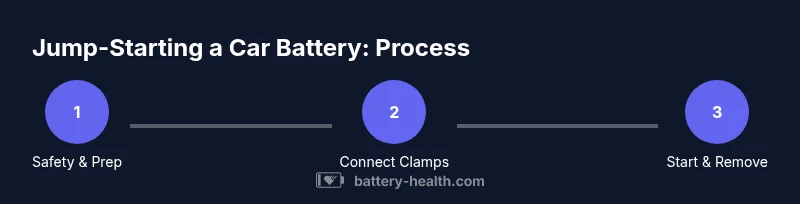
Getting the order right is crucial for safety and effectiveness. Follow these steps precisely: 1) Connect the red jumper clamp to the positive terminal on the dead battery. 2) Connect the other end of the red clamp to the positive terminal of the donor battery. 3) Connect the black jumper clamp to the negative terminal of the donor battery. 4) Connect the other end of the black clamp to an unpainted metal surface on the engine block or chassis of the car with the dead battery—away from the battery itself and fuel system. Avoid placing clamps on the battery terminals or near the gas cap. This order minimizes sparks at the battery and reduces the risk of electrical shock or damage to sensitive electronics. Battery Health stresses the importance of not letting clamps touch each other during this process.
Start the Donor Vehicle and Watch for Signs
With the clamps in place, start the donor vehicle and let it run for a few minutes at a steady idle. The goal is to transfer enough energy to the dead battery to turn the engine over. If the dead car still won’t start after a few minutes, you may need to try again, ensuring a solid connection and not over-revving the donor engine. If the donor vehicle stalls or shows signs of distress, stop and reassess. Do not crank the recipient engine for more than 15 seconds at a time to avoid overheating the starter. If after several attempts there’s no response, consider alternative options like calling roadside assistance. Once the recipient starts, let both engines run for several minutes to allow the alternator to begin recharging the dead battery.
Disconnecting and Aftercare: Finish Safely
When the recipient vehicle runs, carefully remove the clamps in reverse order: first disconnect the black clamp from the recipient engine block, then the black clamp from the donor, then the red clamp from the donor, and finally the red clamp from the recipient battery. Keep the clamps away from metal surfaces to prevent short circuits. Drive the recipient car for at least 20 minutes or so to recharge the battery via the alternator, rather than relying on a quick drive. If the battery fails to hold a charge after a jump-start, it may be time for a battery replacement or a charging system check by a professional. Regular maintenance, including terminal cleaning and checking electrolyte levels in older, non-sealed batteries, can extend battery life. Battery Health recommends scheduling a post-procedure battery health check to confirm the charge state and prevent future failures.
Troubleshooting Common Scenarios
Even with proper technique, some situations resist jump-start attempts. If you hear clicking but the engine won’t turn, check the connections and try again. If there’s no response at all, inspect for blown fuses or a faulty alternator rather than blaming the battery alone. Cold weather reduces battery efficiency, so you might need longer connection times or a pre-heat period. If the donor battery is weak, its ability to deliver current could be insufficient; in this case, a second vehicle or a higher-capacity jumper starter may help. Finally, if the battery is physically damaged or swollen, discontinue attempts and seek professional service. Battery Health emphasizes safety and professional evaluation when in doubt.
Battery Health After Jump-Starting: Long-Term Care
A successful jump-start is not a full battery solution. After the engine runs, test the battery’s voltage and ensure the charging system is functioning. Consider a full battery replacement if the battery is older than 3-5 years or shows rapid discharge. Regular maintenance, cleaning of terminals, and ensuring proper storage for long periods can prevent future failures. If you rely on your vehicle for daily transportation, a professional battery test every 6-12 months can catch creeping issues early. Battery Health notes that proactive maintenance helps extend battery life and reduces roadside emergencies.
Tools & Materials
- Jumper cables (heavy gauge, 4- to 6-gauge, 12-16 feet)(Thick cables minimize voltage drop; ensure clamps are clean and free of corrosion)
- Portable jump starter (optional but recommended)(Has built-in safety features; keep it charged and ready)
- Donor vehicle with a good battery(Only needed if not using a jump starter)
- Safety gear (gloves and eye protection)(Protect hands and eyes from sparks or battery acid)
- Rag or brush for cleaning terminals(Useful for removing corrosion from terminals)
- Flashlight or headlamp(Illumination if you’re working in a dark area)
- Non-conductive mat or insulating surface(Keeps the vehicle from sliding and protects surfaces)
Steps
Estimated time: 10-15 minutes
- 1
Prepare and inspect
Park on a level surface, turn off both vehicles, and set the parking brakes. Inspect batteries and cables for cracks, leaks, or heavy corrosion. Clean terminals if needed and dry them before proceeding.
Tip: Have gloves ready and wear eye protection to guard against acid exposure. - 2
Position for access
Open the hoods and position the donor and recipient vehicles close enough for the cables to reach both batteries without tension. Ensure no moving parts can interfere with the cables. If you’re using a jump starter, place it on a dry, stable surface nearby.
Tip: Keep the donor vehicle running at idle unless using a portable jump starter. - 3
Attach positive clamps
Connect the red clamp to the positive terminal on the dead battery, then connect the other end of the red clamp to the positive terminal on the donor battery. Ensure tight, clean connections without touching metal surfaces.
Tip: Double-check polarity before touching the other clamps to prevent sparks. - 4
Attach the negative clamp
Connect the black clamp to the negative terminal of the donor battery, then connect the other end to a clean, unpainted metal surface on the engine block or vehicle frame of the car with the dead battery. Do not attach to the dead battery’s negative terminal.
Tip: Clamps should be secure, and not near the fuel system or radiator. - 5
Start the donor and test
Start the donor vehicle and let it run for a few minutes to transfer energy. Attempt to start the dead vehicle. If it doesn’t start after a few attempts, discontinue and reassess connections or seek help.
Tip: Avoid cranking for extended periods; repeated long cranks can damage starters. - 6
Disconnect in reverse order
Once the recipient runs, remove the black clamp from the engine block first, then the black clamp from the donor battery, then the red clamp from the donor, and finally the red clamp from the recipient.
Tip: Keep clamps away from each other to avoid accidental contact.
FAQ
Can I jump a car battery by myself safely?
Yes, with proper safety steps and the right equipment. If the battery shows signs of damage, avoid jumping and contact a professional.
Yes, you can jump-start the car by yourself if you follow safety guidelines and have the right tools. If the battery is damaged, stop and seek help.
Is it safe to jump-start a car in the rain?
Jump-starting in wet conditions increases the risk of shocks or short circuits. If possible, wait for dry conditions or perform under sheltered cover with extra caution.
Jump-starting in the rain is riskier; seek shelter and proceed with extra care or wait for better weather.
Will a jump start recharge the battery for the long term?
A jump start can provide enough power to start the engine, but it does not repair a failing battery. After starting, drive to recharge the battery and consider a full battery test.
A jump start gets you going, but you should drive to recharge and test the battery afterward.
What should I do if the car won’t start after jumping?
Check all connections again, inspect for corrosion, and verify the donor battery is providing power. If there’s still no start, the battery or alternator may be faulty.
If it still won’t start, recheck connections and consider professional help.
Can I jump-start a car with a dead alternator?
If the alternator is dead, the battery won’t stay charged. Jump-starting may start the car briefly, but you’ll need a charging system repair to keep it running.
If the alternator is dead, the car may start briefly but won’t stay running; get it checked.
Are there models or battery types that require special handling?
Most traditional lead-acid batteries follow standard jump-start steps, but some newer architectures or AGM batteries may have different guidelines. Always consult the owner’s manual and Battery Health guidance.
Some batteries have special requirements; refer to the manual and Battery Health guidance.
Watch Video
Quick Summary
- Check safety first and use proper PPE.
- Use correct connection order to avoid sparks.
- Run the donor vehicle enough to recharge the dead battery.
- Disconnect in reverse order and test battery health post-start.