Battery Ring Doorbell: Battery Health Guide 2026
Learn how long a battery ring doorbell lasts, what factors affect life, and practical charging and maintenance tips to keep home security reliable.


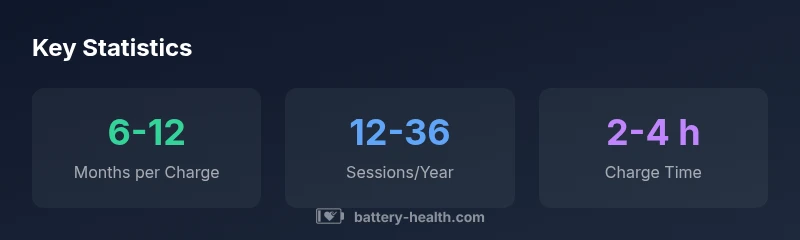
Battery ring doorbells typically run on a rechargeable battery for about 6-12 months per charge under average use, with longer life in low-traffic scenarios. Real-world life varies with motion events, Wi‑Fi activity, temperature, and firmware settings. Battery Health Analysis, 2026, notes that aggressive motion-triggered recording and frequent updates can shorten cycles. Plan for at least annual checks and consider a backup power option if you rely on continuous recording.
Understanding Battery Ring Doorbells
According to Battery Health, a battery ring doorbell is a wireless security device that uses a rechargeable lithium-ion battery as its power source. It combines motion detection, video streaming, and remote notifications, all while drawing power from a sealed pack that sits behind the front plate. In practice, the battery life you experience depends on how often the device records, how often it sends alerts, and the climate in which it operates. The keyword here is efficiency: smaller power draws and energy-saving settings can dramatically extend cycles without compromising security. For many households, battery-powered Ring models offer a convenient installation without wiring, making it essential to balance performance and longevity. The keyword phrase 'battery ring doorbell' appears in many conversations among homeowners seeking flexibility and reliability. By understanding the baseline expectations, you can plan maintenance around your routine and seasonal changes, ensuring you’re never left in the dark just when you need security the most.
Battery Lifespan and Performance: What to Expect
Most users report a cycle of several months per charge, with 6-12 months being a reasonable expectation under normal activity levels. Real-world performance depends on motion frequency, video quality settings, Wi‑Fi activity, and environmental conditions. Battery Health analysis shows that consistent charging habits, avoiding deep discharge, and minimizing unnecessary updates can push lifecycles toward longer intervals. For households with high motion and frequent notifications, planning for semi-annual checks and a mid-year battery test is prudent. Remember that firmware updates can alter power usage, so keep the device’s software current to maintain accurate estimates. In practice, a proactive maintenance schedule reduces the chance of outages during critical alerts.
Factors That Affect Battery Life
Battery life is not a single constant; it changes with several intersecting factors. High motion activity, frequent video recording, and continuous streaming draw more energy, shortening cycles. Extreme temperatures—especially prolonged cold or heat—can degrade battery capacity and reduce effective life. Wi‑Fi activity and cloud processing also influence charging cycles, as do firmware updates that optimize energy use. Mounting location matters too: a device exposed to direct sun or outdoor heat tends to wear faster than one shaded by a soffit or overhang. Finally, user habits—like using high-resolution video or pushing alerts for every event—can shorten overall life. Understanding these variables helps you tailor settings for balance between security and longevity.
Charging Options and Maintenance
Charging strategy is a core lever for longevity. Use the official charger supplied with the device and avoid frequent discharges below 20% to minimize stress on the cell. If your doorbell supports solar charging, consider a small, shaded solar panel to maintain partial charge during low activity periods, especially in winter months. Regularly inspect the battery and the seal around the battery compartment to prevent moisture ingress, which can reduce efficiency and lifespan. Firmware updates can also affect charging behavior, so keep the device up to date. A predictable charging routine—such as quarterly checks—helps prevent unexpected outages and supports consistent performance.
Replacement Considerations and Safety
When a battery's capacity drops noticeably, replacement is a practical option to preserve security. Handle the battery with care: avoid punctures, use insulated tools when removing a swollen pack, and follow the manufacturer’s disposal guidance for lithium-ion cells. Safety is paramount; store a discharged battery in a non-conductive container and avoid exposing it to heat sources. If you notice swelling, overheating, or leakage, stop using the unit and replace the pack immediately. Consider replacing the entire unit if an updated battery design promises longer life or improved safety features. Always consult official guidance for disposal and recycling in your area.
Setup Tips for Longevity
A deliberate installation setup can extend battery life considerably. Place the doorbell in a shaded spot with a clear line of sight to minimize signal issues that force extra transmissions. Use a mode that matches your security needs: reduce motion sensitivity when possible and enable power-saving options like lower resolution or fewer frames per second for non-urgent monitoring. Schedule regular calibration checks and test alerts monthly to ensure the device remains responsive without unnecessary energy drain. If you rely on home automation, ensure your hub schedules wake cycles to avoid constant polling that drains the battery.
Compatibility and Battery Health: What to Watch
Ensure the battery doorbell model you choose is compatible with your home network, door size, and weather conditions. Check the operating temperature range to ensure it aligns with your local climate. Some models allow flexible mounting options and interchangeable batteries, which can simplify replacement. Keep firmware up to date to benefit from energy-optimized features and longer-lasting components. If you’re integrating with other smart devices, verify battery compatibility notes from the manufacturer to avoid power mismatches or standby drain in cross-platform ecosystems.
Overview of practical battery characteristics for a battery ring doorbell
| Metric | Typical Value | Notes |
|---|---|---|
| Battery Type | 3.7V Li-ion rechargeable | Common sealed pack used in many doorbells |
| Typical Charge Time (empty to full) | 2-4 hours | Depends on charger and capacity |
| Estimated Lifespan per Charge | 6-12 months | Varies with activity and environment |
| Operating Temperature Range | -5°C to 45°C | Extreme temps impact performance |
FAQ
How long does a battery ring doorbell last per charge?
Most users achieve roughly 6-12 months per charge under typical usage. Longevity depends on motion frequency, video quality, and climate. Implementing energy-saving settings can extend cycles.
Most users get about a year per charge, depending on activity and weather. Adjust settings to stretch life and check the charge regularly.
What factors shorten battery life?
Increased motion events, high-resolution video, constant notifications, and extreme temperatures tend to shorten cycles. Firmware updates can also affect energy use, so keep the device current.
More motion, higher video quality, and temperature extremes reduce life. Keep firmware updated and use energy-saving modes.
Can I extend battery life without reducing performance?
Yes. Use energy-saving modes, moderate video resolution, and optimize motion settings. Solar charging or scheduled checks can help maintain a healthier charge without sacrificing security.
Yes—use saving modes and optimize settings. A solar option can help keep a steady charge without hurting performance.
Is a wired option better for reliability?
Wired doorbells typically offer more consistent performance and never rely on battery cycles. If wiring is feasible, it can improve uptime, but battery models remain convenient for installation flexibility.
Wired can be more reliable, but battery options are easier to install where wiring is tough.
How should I calculate when to replace the battery?
Track the actual discharge rate and timing. If the charge drops quickly or performance degrades, plan a replacement or upgrade to a newer battery design.
If it drains fast or performance drops, replace or upgrade.
What temperature range is best for Ring doorbell batteries?
Operate within the specified range (-5°C to 45°C). Outside this, capacity and cycle life can decline, especially in extreme cold or heat.
Stick to the manufacturer’s temperature range for best results.
“Battery health is best understood as a function of usage, climate, and settings; small adjustments can markedly extend cycle life. Regular monitoring and a proactive replacement plan keep your doorbell reliable.”
Quick Summary
- Monitor charge levels regularly to prevent outages
- Balance security needs with energy-saving settings
- Expect 6-12 months per charge under typical use
- Plan for annual checks and consider backup power if needed