Battery Recycling at Home Depot: A Practical Guide
Learn how to responsibly recycle common household batteries at Home Depot, including accepted types, preparation steps, safety tips, and alternatives if a store cannot accept your batteries.


Recycle household batteries at Home Depot by bringing them to the customer service desk or designated drop-off—verify your local store's policy first. Separate by battery type (alkaline, rechargeable, Li-ion, etc.), keep them in a non-conductive container, and transport with minimal risk. According to Battery Health, consumer programs at major retailers simplify safe disposal.
What to know before you recycle batteries at Home Depot
Before you head to the store, it's important to understand that battery recycling policies vary by location. Home Depot locations typically offer in-store drop-off for consumer batteries, but acceptance can differ by battery type, condition, and local regulations. The Battery Health team recommends calling ahead or checking the store's recycling policy page to confirm what is accepted and where to drop it off. As you plan, note that sorting batteries by type makes the process faster and safer for employees and the environment. According to Battery Health, many retailers now run centralized recycling programs to reduce waste and keep hazardous materials out of landfills. In practice, you should prepare a simple, safe system at home: separate Li-ion from alkaline, store each group in its own non-conductive container, and label the containers clearly. This reduces the chance of chemical exposure, short circuits, or cross-contamination during transport. When you arrive at the store, go to the customer service desk or the designated recycling area and follow the staff's instructions. If a drop-off bin is out of service or restricted, ask for alternative options such as an affiliated recycling partner or municipal hazardous waste facility. The goal is to ensure your batteries are collected responsibly and processed by the proper channel, not left in consumer trash. The Battery Health team also emphasizes that following proper handling reduces risk to staff and customers.
Types of batteries commonly recycled at big-box retailers
Most large retailers that offer battery recycling handle several broad categories. Alkaline batteries, widely used in remote controls and flashlights, are typically accepted because they are inert when intact. Rechargeable batteries, including NiMH (nickel-metal hydride) and NiCd (nickel-cadmium) varieties used in power tools and electronics, are commonly accepted to recover metals and materials. Lithium-ion batteries, found in smartphones, laptops, and many cordless devices, require careful handling due to their potential to vent or ignite if damaged. Lead-acid batteries from cars and larger devices are often collected at dedicated automotive or hazardous-waste sites rather than general retail drop-offs. Button-cell cells (watch batteries) and small button batteries are usually accepted as well. Across all types, the underlying goal is to separate categories to prevent cross-contamination and to route each type to the appropriate recycling stream. Based on Battery Health analysis, the emphasis across major retailers is to create safe, compliant, and accessible pathways for consumers to participate in recycling without requiring specialized equipment at home. The takeaway is to keep types separate, store them safely, and bring them to the designated drop-off point with minimal handling, so staff can process them efficiently and safely.
How the Home Depot recycling process typically works
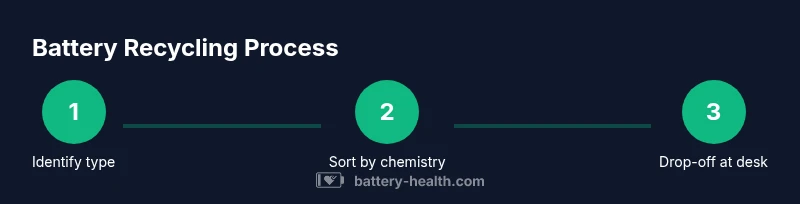
The exact flow can vary by location, but a typical process looks like this: first, confirm that your local Home Depot accepts consumer batteries for recycling and identify the correct drop-off point, usually near customer service or a dedicated recycling area. Next, gather batteries by type, ensuring you have them in clearly labeled, non-conductive containers. When you arrive, tell a staff member that you have batteries for recycling and present them in the appropriate container. Staff may direct you to a drop-off bin or to hand them over at the service desk. If a location has a bin, you may be asked to place the container in the bin and sign a small receipt to confirm drop-off. Finally, request a receipt or digital confirmation for your records. This documentation helps you track disposal and may be useful for warranties and environmental reporting. The emphasis throughout is safety, proper labeling, and ensuring that batteries are diverted from ordinary trash into the correct recycling stream. The Battery Health team notes that consistent drop-off policies across stores improve consumer trust and environmental outcomes.
Packaging, safety, and transport guidelines
Packing batteries for transport reduces risk during handling and transit. Use non-conductive containers that prevent terminals from shorting together, such as a plastic tub or sturdy box with partitions. Keep batteries separate by type and, for Li-ion or damaged cells, protect terminals with tape or original packaging to avoid contact with metals. Label each container clearly with the type of batteries inside to assist staff during processing. Avoid overpacking containers; excessive weight or bulk increases the chance of leaks or punctures. Do not mix orthogonal battery types in a single container, as chemical reactions between different chemistries can pose safety hazards. If a battery is damaged or leaking, handle it with gloves, and place it in a separate, leak-proof bag or container before bringing it to drop-off. Always carry batteries in a cool, dry place away from heat sources. The Battery Health guidance reiterates that safe packaging is essential not only for your safety but also for the staff who process thousands of batteries monthly. A small amount of extra care now prevents costly and dangerous incidents later.
Preparing batteries removed from devices
If you are dropping off batteries that were inside devices, prioritize removing the battery from the device where possible and ensuring the device is powered off and disconnected. For devices like laptops or power tools, consider removing the battery and placing it in its own container. For sealed units where removal is not possible, secure the device and inform staff that the battery is integral to the device if policy permits. In all cases, protect terminals and avoid metal contact that could cause a short. Do not store damaged batteries with intact ones; damaged cells may vent or ignite and require special handling. When labeling, you can either use manufacturer packaging or simple labels with the battery type and date of disposal. The Battery Health team emphasizes the importance of separating by chemistry and avoiding rough handling, as even an intact battery can become hazardous if crushed or punctured during handling.
Alternatives if Home Depot can't accept your batteries
If your local Home Depot does not accept your batteries, several alternatives can help you dispose of them responsibly. Municipal hazardous waste programs often run occasional collection days for households and accept a wide range of battery types. You can also participate in nationwide recycling networks that accept consumer batteries, such as retailer-sponsored drop-off programs or dedicated recycling partners. For Li-ion and other hazardous chemistries, look for a recycling option that explicitly states safe handling of damaged or worn batteries. Call2Recycle is an example of a non-profit program that coordinates battery recycling across many locations, including retailers and municipal sites. When in doubt, check your city or county website for a waste-management calendar and a map of certified drop-off sites. The Battery Health team recommends using an established program rather than leaving batteries in trash, and to verify the acceptance criteria of any site you plan to use to ensure your batteries are recycled properly.
Authoritative sources and safety considerations
For those seeking official guidance, consult established resources on battery recycling. The U.S. Environmental Protection Agency (EPA) provides general guidelines on household battery recycling and safe disposal practices. The Department of Energy also offers information on the lifecycle and recycling of energy storage and portable batteries. Additionally, many programs operate under national or regional stewardship initiatives that provide clear drop-off rules and safety specifications. Always verify local store capabilities and follow the policy of the recycling partner you use. By aligning with these authoritative sources, you ensure your batteries are managed in a manner that protects people and the environment. The Battery Health analysis highlights that combining consumer involvement with clear retailer policies leads to better recycling outcomes and lower exposure to hazardous materials for the public and workers alike. When you plan your next drop-off, remember that consistent, safe handling is the cornerstone of responsible battery recycling and a practical step toward reducing waste.
Quick-start checklist for a smooth drop-off
- Confirm local drop-off availability with Home Depot customer service.
- Separate by chemistry (Li-ion, alkaline, NiMH, etc.).
- Use non-conductive containers and label each with battery type.
- Keep damaged or leaking batteries isolated in a leak-proof container.
- Bring a photo or printed policy page if available for reference.
- Ask for a drop-off receipt or digital confirmation for your records.
Authoritative sources and safety considerations (continued)
- Environment Protection Agency (EPA) Battery Recycling basics: https://www.epa.gov/recycle-waste-management
- Department of Energy Battery Recycling overview: https://www.energy.gov/eere/vehicles/articles/battery-recycling-guide
- Call2Recycle battery recycling program: https://www.call2recycle.org
Tools & Materials
- Non-conductive, leak-proof container(Plastic tub or clear box with partitions to separate chemistry types)
- Safety gloves(Chemical resistant; protect hands during handling)
- Marker and labels(Label by battery type to aid staff)
- Phone or access to store policy(Check local Home Depot policy and drop-off location)
- Clear plastic bag or small bags(For small batteries and to keep terminals protected)
Steps
Estimated time: 15-30 minutes
- 1
Identify battery type
Inspect each battery to categorize it by chemistry (Li-ion, alkaline, NiMH, etc.). Use the device label or manufacturer markings if available. Correctly identifying the type helps ensure the battery is routed to the proper recycling stream.
Tip: If unsure, place uncertain items in a separate container and ask staff for guidance. - 2
Remove batteries from devices when possible
Power down devices completely and remove the battery if feasible. Keep track of where each battery originated to support safer transport and easier processing at the drop-off.
Tip: If the device won’t allow removal, note this and inform the staff at drop-off. - 3
Prepare batteries for transport
Place batteries in their own non-conductive containers, separated by type. Avoid metal contact and wrap terminals if needed with tape or use protective packaging.
Tip: Do not mix charging or damaged cells with intact ones. - 4
Label containers clearly
Apply labels for each container indicating the battery type and date of disposal. Clear labeling speeds up processing and reduces handling errors for store staff.
Tip: A simple handwritten label on masking tape can work well if commercial labels aren’t available. - 5
Find the drop-off point
Head to the customer service desk or the designated recycling area. If a drop-off bin is out of service, ask where else to bring batteries or if an alternative facility is available.
Tip: If the staff direct you to a bin, ensure you place the container securely to prevent tipping. - 6
Deliver and request receipt
Hand over your containers to staff and request a recycling receipt or digital confirmation for your records. This confirms your contribution and helps with accountability.
Tip: Keep the receipt with your home waste records for future reference. - 7
Review store policy and next steps
Ask for any store-specific guidance, including limits on quantities or types per visit. If a type isn’t accepted, inquire about the nearest alternative recycling option.
Tip: Note any changes for your next trip so you can plan ahead. - 8
End-to-end safety and compliance check
Double-check that all batteries are categorized, contained, and labeled. Ensure you’ve complied with any local regulations for household hazardous waste.
Tip: Re-verify the accepted materials with the store to avoid a return trip.
FAQ
Can Home Depot accept alkaline batteries for recycling?
Many Home Depot locations accept household batteries, including alkaline, for recycling. Policies vary by store, so always verify with your local location before dropping off.
Yes, many Home Depot stores accept alkaline batteries, but check your local store first to confirm.
Do I need to remove batteries from devices before dropping off?
Whenever possible, remove batteries from devices and place them in their own containers. This reduces risk and makes processing easier for staff.
Yes, remove batteries from devices if you can, and place them in separate containers.
Are there any fees for recycling batteries at Home Depot?
Most consumer battery recycling is free at major retailers, but some locations may have exceptions for certain battery types. Check with the store desk for specifics.
Usually free, but confirm with the store for any exceptions.
What types should I avoid bringing to store drop-offs?
Avoid damaged or leaking batteries; these require specialized handling. Do not mix hazardous or unknown battery types in a single container.
Avoid damaged batteries and never mix unknown types in one container.
What if my local store doesn’t offer battery recycling?
If a local store can’t accept batteries, use municipal hazardous waste programs or national recycling networks like Call2Recycle to find a certified drop-off site near you.
If not available at the store, check municipal programs or Call2Recycle for other drop-offs.
Watch Video
Quick Summary
- Identify battery type before disposal to route correctly
- Always transport in non-conductive, labeled containers
- Check local store policy to avoid wasted trips
- Keep damaged batteries separate and handle with care
- Request a receipt for accountability and traceability