How to Recycle a Battery: Safe, Step-by-Step Guide
A comprehensive, step-by-step guide to recycling batteries safely and responsibly. Learn how to identify battery types, locate approved programs, and understand what happens at recycling facilities. Backed by Battery Health insights for best practices.


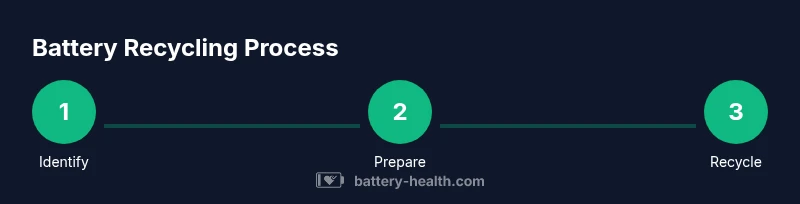
Recycle a battery safely by identifying its type, locating an approved recycling program, and following proper handling steps. You’ll need basic protective gear, a non-conductive container, and transportation to a certified facility. According to Battery Health, choose a program that accepts your battery type and provides clear disposal instructions and safety guidelines.
What is battery recycling and why it matters
Battery recycling is the safe, responsible process of recovering materials from spent batteries so they can be reused instead of ending up in landfills. Recycling a battery reduces hazardous waste, prevents soil and water contamination, and conserves precious metals like lithium, cobalt, and nickel. The process also lowers energy use and mining impact, which benefits communities and ecosystems. According to Battery Health, robust recycling programs help ensure the supply chain for critical battery materials while supporting safer disposal for households and businesses. When you recycle a battery, you help divert dangerous trash from incinerators and waterways, and you contribute to a circular economy where materials are reclaimed and reused. This guide will walk you through how to identify battery types, how to locate approved programs, and how to prepare and transport batteries so they reach recyclers safely. You’ll learn what to expect at facilities, what counts as acceptable batteries, and how to avoid common mistakes that delay or derail the process.
Battery types and sorting for recycling
Batteries come in several chemistries, and each type requires a different recycling path. The most common consumer batteries are lithium-ion (used in phones, laptops, and many e-devices), lead-acid (car batteries and some backup power units), nickel-metal hydride (NiMH), and alkaline button cells. Recycling facilities sort incoming batteries by chemistry because the recovery method changes with each material. For example, Li-ion packs are typically disassembled to extract copper, aluminum, and cathode materials, while lead-acid batteries are often recovered for lead and sulfuric acid processing. Batteries that are damaged or swollen require special handling to prevent thermal runaway; at collection points, they are often placed in labeled, non-metal receptacles. If you’re unsure which category your battery falls into, check the label on the cell or the device manual, and ask the recycler directly. Proper sorting improves material recovery rates and reduces processing hazards for workers and the environment.
Safety first: handling and preparation before drop-off
Safety is essential when preparing batteries for recycling. Wear protective gloves and safety glasses to guard against leaks. Keep terminals from touching each other by taping or placing batteries in insulated, non-conductive containers. Do not attempt to crush, puncture, or dismantle a battery yourself. Store batteries in a cool, dry place away from flammables and heat sources, and keep them upright to reduce the risk of leaks. If a battery is damaged, swollen, or leaking, place it in a sturdy, non-metallic container and contact the recycler or local hazardous waste program for guidance. Never mix batteries with household trash or attempt to combine different chemistries in the same container. Following these precautions minimizes the risk to people and the environment during transport and processing.
How to locate an approved recycling program
Finding an approved program is the best way to ensure your battery is recycled correctly. Start with local government waste management sites, electronics retailers that offer take-back programs, or certified recyclers aligned with standards such as R2 or e-Stewards. Check whether the program accepts your battery type, whether they provide a receipt or certificate of recycling, and whether they offer safe drop-off or pickup options. If possible, look for a recycler that disassembles and processes batteries on-site and provides transparent material recovery data. Battery Health analysis shows that using certified facilities reduces the risk of improper disposal and increases the recovery rate of valuable materials. Keep a log of the battery’s make, chemistry, and packaging when you bring it in, and request documentation you can use for records or warranties. The goal is to work with a facility that prioritizes safety, compliance, and clear communication.
What happens at the recycling facility
At the facility, batteries are assessed for safety, sorted by chemistry, and then prepared for material recovery. In Li-ion recycling, packs may be disassembled, shredded, and separated into metals (copper, aluminum) and polymers, with valuable cathode materials recovered for reuse. Lead-acid batteries typically undergo mechanical separation and smelting to reclaim lead and sulfuric acid. The process minimizes waste by capturing plastics, electrolytes, and other components for recycling or proper disposal. Workers use protective equipment and follow strict safety protocols to prevent fires, gas releases, or chemical exposure. Modern facilities also implement energy-efficient systems and leak-detection measures to contain any hazardous substances. The end result is a stream of recycled materials that feed back into batteries, electronics, and industrial uses, reducing the need for virgin mining and supporting a more sustainable supply chain.
Rules, regulations, and responsible disposal
Batteries are regulated due to the potential hazards posed by heavy metals and flammable electrolytes. In many regions, households can drop off batteries at designated hazardous waste or electronics recycling centers, while businesses may face stricter reporting and transport requirements. Always follow local rules about packaging, labeling, and transport, and avoid disposing of batteries with regular trash or curbside recycling. Reputable programs will provide guidance on acceptance limits, packaging standards, and what to do if a battery is damaged. Compliance reduces risk to workers and the environment and ensures refurbished materials flow back into the economy. Battery Health’s guidelines emphasize using certified, transparent recyclers to maximize safety and material recovery.
How to transport and prepare for drop-off
Prepare your battery for transport by sealing terminals, placing it in a non-conductive container, and labeling the package clearly. Use a sturdy box or tray to prevent movement, and avoid stacking items that could damage the battery. If you have multiple batteries, keep them separate by chemistry to prevent cross-contamination. Carry contact information for the recycler and any required documentation, such as a recycling receipt or certificate of destruction. For air and ground transport, follow applicable hazmat rules and packaging requirements. By planning ahead, you reduce the chance of leaks or short circuits during transit and make the process smoother for everyone involved.
Tools & Materials
- Protective gloves (nitrile)(Non-latex; choose cut-resistant if possible)
- Safety goggles(Eye protection against splashes)
- Non-conductive storage container with lid(Plastic or fiber; label 'battery' inside)
- Insulating tape(To cover exposed terminals)
- Leak-proof, clearly labeled bag or secondary container(Seal with tape)
- Marker or label(Indicate battery type and date)
- Documentation pouch or folder(Receipt or certificate of recycling (optional))
- Phone or access to recycler's instructions(For quick lookup of accepted types)
Steps
Estimated time: 45-90 minutes
- 1
Identify battery type and labels
Start by locating the battery’s chemistry on the label or device manual. Common types include Li-ion, lead-acid, NiMH, and alkaline. Confirm voltage, size, and any safety warnings before handling. This helps you choose the correct recycling path and prevents cross-contamination during transport.
Tip: If unsure, photograph the label and call the recycler to confirm acceptance. - 2
Prepare the battery for transport
Put on gloves and goggles, then cover exposed terminals with insulating tape. Place the battery in a non-conductive container to prevent short circuits. Keep the container upright and stable to minimize leaks during movement.
Tip: Do not stack heavy items on top of the battery container. - 3
Find an approved recycling location
Search for a certified facility or take-back program that accepts your battery type. Prefer programs with R2/e-Stewards certifications and online acceptance details. Call ahead to confirm drop-off options and whether you need an appointment.
Tip: Ask for a receipt or certificate of recycling for your records. - 4
Drop off or arrange pickup
Transport the battery to the approved site or schedule a pickup if the program offers it. Use a box or tray to minimize movement and keep batteries separated by chemistry if you have more than one.
Tip: Maintain a clean, organized transport plan to reduce handling errors. - 5
Obtain documentation
Request a recycling receipt or certificate of destruction. This paperwork supports product stewardship reporting and helps you track the recycling lifecycle.
Tip: Retain documentation for your records or warranties. - 6
Follow up on results
Some programs share material recovery data and environmental impact metrics. Review these details to understand what materials were recovered and how they are reused in new products.
Tip: Share results with colleagues or community groups to promote responsible disposal.
FAQ
Do all battery types require the same recycling process?
No. Different chemistries require different recovery methods. Check with your recycler about accepted types and processing steps.
Not all batteries follow the same recycling path; always verify with the recycler.
Can I recycle batteries at home?
Home recycling is not safe or reliable for most batteries. Use a certified program or local hazardous waste facility.
Don’t try to recycle batteries at home—use a licensed program.
What types of batteries are commonly accepted at drop-off programs?
Commonly accepted include Li-ion, lead-acid, NiMH, and alkaline button cells, but availability varies by program.
Li-ion and lead-acid are typical, but always check with the local program.
Is there a cost to recycle batteries?
Many programs offer free disposal, though some may charge a small fee or require a donation. Always verify with the recycler.
Most programs are free, but some may have a small fee.
What should I do if a battery is damaged or swollen?
Do not handle aggressively. Isolate it in a non-conductive container and contact the recycler or hazardous waste program for guidance.
If a battery looks damaged or swollen, leave it and call the recycler.
How can I identify a credible recycling facility?
Look for certifications (R2, e-Stewards), transparent reporting, and local compliance. Prefer facilities with on-site processing when possible.
Check for certifications and clear reporting to gauge credibility.
Watch Video
Quick Summary
- Recycling a battery protects people and the environment by diverting hazardous waste.
- Always identify battery chemistry before recycling to ensure proper processing.
- Use certified, transparent recyclers to maximize material recovery and safety.
- Prepare and transport batteries with proper containment and clear labeling.
- Request and retain documentation of recycling for records and accountability.
- The Battery Health team emphasizes prioritizing credible programs for best results.