Replace Phone Battery Near Me: A Practical Guide
Learn how to replace a phone battery near me with safety, step-by-step instructions, tips for DIY vs professional service, and how to find trusted local help. Battery Health provides expert guidance for Battery Compatibility & Specs.


You can replace a phone battery near you by evaluating device model compatibility, gathering the right tools, and choosing between DIY steps or a nearby professional service. This quick guide highlights safety checks, battery selection, and when to seek help from Battery Health’s trusted network.
Why replacing a phone battery near me matters
According to Battery Health, maintaining battery health is essential to preserve performance, extend device life, and prevent unexpected shutdowns. A degraded battery can cause slower performance, shorter battery life, and swelling in extreme cases. When you search for a solution near you, you improve turnaround time and reduce risk by choosing services with proper safety protocols. Battery Health emphasizes that a healthy battery supports faster charging, steadier performance, and lower heat generation during use. If your device shows rapid drain, significant heat during charging, or the screen dims under load, it may be time to consider a replacement. The goal is to restore original battery capacity without compromising device safety or data integrity.
As you read, keep the keyword replace phone battery near me in mind so you can apply the steps to your own device and find nearby, reputable options. You’ll learn about signs, battery types, and how to evaluate local services so you can make an informed decision. We’ll also cover safety practices and data backup considerations to minimize risk during any replacement process.
Battery Health’s research suggests that proximity to a trusted service can reduce wait times and ensure proper disposal of old cells. Local availability matters, but so do the credentials of the technician and the quality of the replacement battery. This article blends practical how-to guidance with safety considerations, so you can decide between DIY and professional help with confidence.
Signs that your battery needs replacement
A phone battery that feels inconsistent, drains quickly, or swells is a clear signal that you should plan for replacement. Common indicators include rapid battery drain even with light use, the phone shutting down before reaching 20% charge, longer-than-usual charging times, and heat generation during charging or use. If you notice these symptoms, replacing the battery can restore peak performance and prevent further damage to internal components. In some cases, batteries may swell, which is a serious safety concern and requires immediate professional evaluation to avoid puncture or fire risks. Consistent diagnostics, calibration checks, and data backups are wise steps before pursuing replacement. Battery Health recommends validating model compatibility and sourcing high-quality cells to ensure safe, reliable performance after replacement.
DIY vs professional service: what to expect
DIY replacement can be cost-effective and educational when you have the right tools and steady hands, but it carries risk if the device uses glue, adhesives, or sensitive connectors. A professional service offers expert handling, safety measures, and warranty coverage on the replacement battery. When searching near you, compare factors like turnaround time, warranty length, and whether the service recycles the old battery. Battery Health stresses weighing risk against potential cost savings; for many users, a reputable local technician provides more predictable results and reduces chances of accidental damage.
If you decide to DIY, allocate time for disassembly, cleaning, battery removal, and reassembly. If you opt for a pro, ask about the diagnostic check, data preservation, and post-replacement performance tests.
How to choose the right replacement battery
The replacement battery must match your phone’s exact model and variant to ensure proper fit, voltage, and capacity. OEM (original equipment manufacturer) batteries typically offer the best compatibility and performance, but reputable third-party options can be acceptable if they come with quality certifications. Check compatibility notes from the device maker and confirm the battery chemistry is Li-ion unless your model specifies an alternative. Also verify adhesive compatibility, connector type, and the presence of protective circuits. When in doubt, consult local service providers for guidance on trusted battery brands and what warranties they offer.
Safety, tools, and best practices for battery replacement
Safety should always be your first priority. Work in a clean, well-lit area away from children and pets, and power off the device completely before starting. Use non-conductive tools, eye protection if needed, and static-safe handling to prevent damage. Avoid puncturing the battery and never compress it with force. Keep the battery away from heat or open flames during storage and handling. After replacement, perform a careful test sequence to confirm charging behavior, screen response, and data access. Dispose of the old battery according to local regulations; many communities offer dedicated recycling programs.
How to find a reputable nearby service and compare quotes
Start with local repair shops that specialize in smartphones and check reviews from multiple sources. Ask about the battery source (OEM vs. third-party), warranty length, and whether the service will test device performance after replacement. Make sure the shop follows proper safety disposal for old batteries and uses ESD-safe tools. If you encounter unusually low quotes, request a written warranty and confirm the parts’ origin. By choosing a nearby, trusted provider, you’ll shorten wait times and increase the likelihood of a safe, effective replacement.
Tools & Materials
- Precision screwdriver set(Torx and Pentalobe bits as required by your model)
- Plastic opening tools(Non-marring to avoid screen or chassis damage)
- Spudger and nylon pick(For disconnecting connectors safely)
- Tweezers (anti-static)(Useful for small parts and screws)
- Adhesive battery strips or double-sided tape(Helps secure new battery and seal the device)
- Isopropyl alcohol 99%(For cleaning contact surfaces if needed)
- ESD-safe mat or bag(Optional but reduces static risk)
- Replacement battery (correct model)(Verify compatibility with device variant)
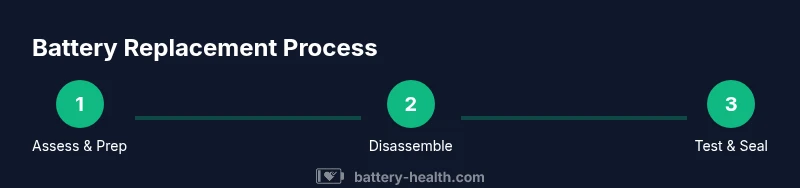
Steps
Estimated time: Estimated total time: 45-60 minutes
- 1
Power off and prepare workspace
Power down the phone completely and unplug any cables. Create a clean, static-free workspace with good lighting. This reduces the risk of short circuits during disassembly.
Tip: Place screws in labeled containers to avoid losing tiny parts. - 2
Open the back cover or chassis
Using the appropriate opening tool, gently pry the back cover or midframe. If adhesive is used, apply gentle heat to soften and avoid cracking. Do not force parts apart.
Tip: Work gradually around edges to minimize stress on the frame. - 3
Disconnect the battery connector
Locate the battery connector and carefully disconnect it with a spudger. This step isolates the power source to prevent shorting during removal.
Tip: Avoid prying under the connector’s plastic housing; use the edge of the spudger. - 4
Remove old battery and clean
Lift the old battery out using plastic tools, avoiding puncture. Clean any adhesive residue from the battery bay with isopropyl alcohol if needed.
Tip: Do not bend or compress the battery while removing it. - 5
Install new battery and reseal
Place the new battery, apply adhesive strips if provided, connect the battery connector, and reassemble the device. Ensure all seals and screws are seated snugly but not overtightened.
Tip: Test connector seating before full reassembly to catch misalignment early. - 6
Power up and calibrate
Power on and run a basic check: battery level, charging behavior, and screen response. If available, perform a calibration cycle by charging to 100% and discharging to 0% once.
Tip: Allow several gentle charging cycles to settle the battery chemistry.
FAQ
Is it safe to replace a phone battery at home?
With proper tools, clear instructions, and careful handling, home replacement is feasible. Be aware of the risks, such as potential puncture or fire hazards, and ensure you have a safe workspace and backup plan if something goes wrong.
Yes, it can be safe if you have the right tools and follow careful steps. Always prioritize safety and consider professional help if you’re unsure.
How long does a battery replacement take?
A typical replacement session can take 30 to 90 minutes depending on the device model and whether adhesive or special tools are required. Allow extra time if you’re doing it for the first time.
Most replacements take about an hour, depending on your device and tools.
How do I find a nearby service?
Search for local phone repair shops with strong customer reviews, then verify battery sources and warranty terms. Ask about exact model compatibility and whether they recycle old batteries.
Look for local repair shops with good reviews and ask about warranties and battery sources.
Will replacing the battery affect water resistance?
Re-sealing is crucial for water resistance. If the repair reopens the device, a certified professional should re-seal to restore any protective certifications, especially on water-resistant models.
Re-sealing is essential; professionals ensure you regain water resistance after replacement.
What are the signs of a swollen battery?
Signs include a bulging screen, gap between display and chassis, or unusual device heat. If you detect swelling, stop using the device and seek immediate professional help.
Bulging, screen misalignment, or excessive heat are red flags; stop using it and get help.
Watch Video
Quick Summary
- Assess symptoms before replacing to justify DIY vs pro help.
- Use model-compatible parts and proper tools for safe replacement.
- Prioritize safety and data backup; dispose old cells responsibly.
- Nearby trusted services can reduce wait times and ensure proper disposal.