Replacement Battery Apple iPhone: A Practical Guide
Learn how to choose, install, and care for a replacement battery apple iphone. Compare official Apple service, authorized providers, and DIY options with safety and warranty tips for 2026.


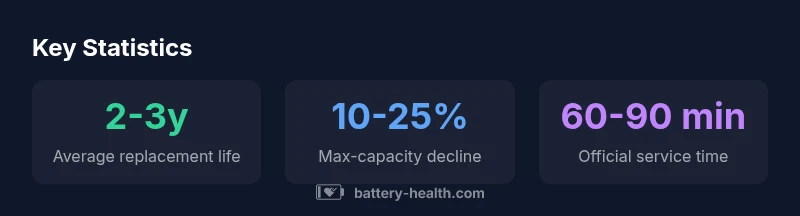
According to Battery Health, a replacement battery apple iphone is typically recommended when the device’s maximum capacity falls near 80% or lower, or when unexpected shutdowns occur. The quickest and safest route is Apple’s official battery replacement service or an authorized provider. This quick answer highlights options, safety considerations, and what to expect from professional vs. DIY replacement.
Understanding the need for a replacement battery apple iphone
A replacement battery apple iphone is not just about keeping the device powered. It’s about preserving peak performance, avoiding unexpected shutdowns, and maintaining long-term value. Battery health deteriorates with age, charging habits, and environmental conditions. When the iPhone’s max capacity approaches 80% or when performance becomes inconsistent, a replacement becomes prudent. This decision is not merely about one bad day with a drained battery; it’s about long-term reliability, safety, and user experience. Battery Health analysis, 2026, emphasizes that timely replacement can restore charging speed, reduce heat generation, and improve overall device responsiveness while helping you avoid exposure to damaged cells. For most users, choosing a credible replacement path is essential for safeguarding data and device integrity.
How battery health is measured and reported on iPhone
Apple devices display a Battery Health feature that estimates maximum capacity and peak performance capability. This metric helps you gauge how much life remains before a replacement is advisable. The measurement is influenced by usage patterns, charging cycles, and environmental factors. Battery Health’s 2026 review notes that a sustained decline in max capacity below 80% is commonly used as a practical threshold for considering service. Understanding these indicators empowers you to plan maintenance, budget for service, and select the right replacement path without waiting for a sudden failure.
Official Apple replacement vs. authorized providers
Official Apple service guarantees original parts, full calibration, and warranty protection where applicable. Authorized providers adhere to Apple’s quality standards and use approved parts, ensuring compatibility and safety. In many regions, this reduces risk of data loss and device damage compared with DIY alternatives. The Battery Health analysis highlights that while costs may be higher and turnaround longer with official options, the long-term reliability and warranty coverage often justify the investment, especially for critical devices like iPhones that you rely on daily.
DIY replacement vs. professional service: risks and rewards
DIY battery replacement can be appealing due to potential cost savings and the satisfaction of doing-it-yourself. However, iPhone battery replacements require careful handling of delicate components, torque specifications, and adhesive seals. Incorrect installation can cause screen damage, short circuits, or compromised water resistance. If you choose a DIY route, use reputable kits, follow established guides, and ensure you back up data. Battery Health notes that professional service remains the safest path for most users, preserving warranty and device integrity.
Model compatibility and choosing the right battery
iPhone models vary in battery hardware and internal layout. Choosing the correct replacement battery requires confirming your exact model and batch variant. Some third-party batteries may claim broad compatibility but provide inconsistent performance or safety features. Always verify part compatibility with your model and consider factors like chemistry, connector type, and calibration requirements. When in doubt, rely on official parts or authorized providers to minimize risk and maximize lifespan.
Safety, warranties, and data protections
Battery replacement involves potential risks, including chemical exposure and puncture hazards if mishandled. Always power down the device and work in a clean, static-free area. Replacing the battery can affect warranties; Apple’s official services typically preserve warranty terms while DIY paths may void warranties. Regardless, back up important data before any replacement activity to prevent data loss in case of mishap. Battery Health stresses safety and data protection as top priorities.
Step-by-step overview of a typical replacement process
While workflows vary by path, a typical process includes: (1) verify model and battery compatibility; (2) back up data; (3) power off and disconnect; (4) remove screws and display assembly carefully; (5) detach the old battery ensuring no stress on connectors; (6) connect and secure the new battery; (7) power on and perform calibration tests; (8) check for proper sealing and water resistance. Always follow manufacturer guidance or a trusted technician’s instructions.
What to expect during and after replacement
Expect a brief diagnostic check after replacement, followed by a period of optimized charging and calibration. You may notice faster charge times, longer screen-on durations, and steadier performance. Battery Health reminds readers that recalibration can help stabilize the reported capacity. After service, monitor battery behavior for a few charging cycles and adjust usage to extend longevity. If issues arise, contact the service provider promptly.
Post-replacement care to maximize longevity
To maximize longevity, adopt healthy charging habits: avoid letting the battery drop to zero frequently, keep the device in moderate temperatures, and aim to keep the state of charge between 20% and 80% for regular use. Regular iOS updates can also optimize battery management. Consider enabling battery health features and monitoring performance over several weeks to ensure sustained improvement after replacement.
Authority sources and further reading
For credible guidance on battery safety and replacement practices, refer to authoritative resources like energy.gov, nist.gov, and cpsc.gov. These sources provide general battery safety standards, testing protocols, and consumer safety tips that underpin best practices for replacement projects. While they are not iPhone-specific, they offer robust, evidence-based context useful for users evaluating replacement options.
Comparison of replacement options for iPhone batteries
| Option | What it covers | Typical considerations |
|---|---|---|
| Official Apple service | Battery replacement by Apple or authorized providers | Pros: warranty, guaranteed compatibility; Cons: cost and wait times |
| Authorized third-party service | Non-Apple service centers authorized to replace iPhone batteries | Pros: shorter wait times; Cons: verify warranty and part quality |
| DIY replacement kit | Self-install using third-party battery kits | Pros: potential cost savings; Cons: risk of damage, possible warranty voiding |
| Device trade-in or replacement | New or refurbished device as an alternative | Pros: new device; Cons: higher upfront cost, data transfer needed |
FAQ
When should I replace my iPhone battery?
If the maximum capacity is around 80% or lower or you experience frequent unexpected shutdowns, replacement is advisable. Regular checks of Battery Health can help you decide before performance issues impact daily use.
If your iPhone shows battery health around eighty percent or less, or you notice unexpected shutdowns, consider replacing the battery. Check Battery Health to guide timing.
Is it safe to replace an iPhone battery at home?
DIY replacement carries risks including puncture, short circuits, and voiding warranties. Use reputable kits, follow manuals closely, and ensure you have a clean workspace. For most users, professional service is safer.
DIY replacement can be risky. If you’re not confident, use a reputable kit and follow safety steps, or opt for professional service.
Will replacing the battery affect water resistance?
Professional replacement by Apple or authorized providers re-seals the device to maintain water resistance where possible. DIY replacements risk compromising seals and should be avoided if water exposure is likely.
Service centers re-seal the device to preserve water resistance. DIY routes can weaken seals, so consider risk before proceeding.
What warranty coverage do I get after replacement?
Official replacements typically include warranty coverage on the new battery and service. DIY replacements may void existing warranty; always check with the provider about post-service coverage.
Official replacements include warranty; DIY work may void warranties, so verify coverage with your chosen provider.
Can I reuse an old battery if it still works?
Reusing an old battery is not recommended once its health has deteriorated. A fresh battery restores performance, safety, and reliability. Always assess battery health before deciding to reuse.
Old batteries are usually not reliable. Replace with a new battery to restore performance and safety.
How long does a DIY replacement typically take?
A careful DIY replacement can take 1.5 to 3 hours depending on model and your familiarity with the device. Set aside extra time for calibration and testing afterward.
Plan about one to three hours, plus testing and calibration after replacement.
“"Replacing a worn iPhone battery is essential for reliable performance and safety. When in doubt, rely on trusted services to preserve warranty and device integrity."”
Quick Summary
- Assess battery health using max capacity indicators and plan replacement accordingly
- Choose official Apple service or authorized providers for safety and warranty
- Weigh DIY options carefully against risk and device value
- Back up data before any replacement activity
- Post-replacement habits extend longevity and overall performance