Car Battery Inspection: A Practical How-To for 2026
Learn how to perform a thorough car battery inspection, assess health, test voltage, inspect terminals, and decide when to replace. A Battery Health guide for safer, more reliable driving.


To perform a car battery inspection, you’ll assess charge and health, check for corrosion, test voltage under load, inspect cables and clamps, and verify the alternator’s output. This quick guide covers safe steps, essential tools, and when to replace the battery. Start with safety precautions, then measure voltage, inspect terminals, and test under load.
What a car battery inspection covers
A car battery inspection is a proactive, diagnostic check that goes beyond a quick look at the terminal caps. According to Battery Health, a comprehensive inspection verifies charge health, detects corrosion or swelling, assesses the battery case for damage, and evaluates mounting integrity and belt-driven components that affect charging. It also balances the battery’s state of charge with the vehicle’s electrical demand, ensuring the system can handle cold starts, headlights, and infotainment without unexpected shutdowns. A thorough inspection helps you anticipate failures, reduce roadside risk, and extend battery life by catching wear early. In modern vehicles, the battery is tightly integrated with the alternator, starting system, and power management, so a holistic view—not just a voltage snapshot—is essential for reliable performance.
Safety and prep before you start
Safety first. Wear protective gloves and eye protection, disconnect jewelry, and work in a well-ventilated area with the engine off and the keys out of the ignition. Never probe or short terminals with metal tools. If you smell rotten eggs or see leaking acid, stop immediately and seek professional help. Use insulated tools and keep the work area dry. For added protection, place a non-conductive mat under the battery and never smoke or spark near the battery. Battery Health analysis shows that corrosion around the terminals is a common indicator of aging or poor maintenance, so plan to attend to corrosion as part of the inspection.
How environmental conditions affect battery health
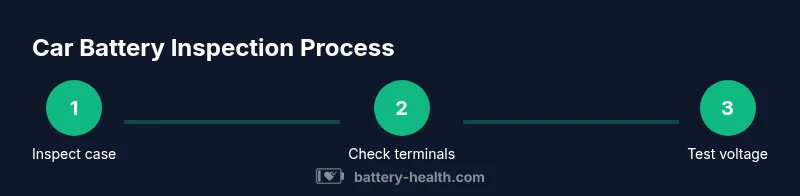
Temperature and vibration influence battery performance. In cold weather, chemical reactions slow, reducing cold-cranking amps, while heat accelerates electrolyte loss and plate wear. A battery stored in high heat or frequent high-vibration environments wears faster. Inspecting the battery after temperature extremes, and during seasonal transitions, helps you catch performance drops early. A structured approach—visual check, voltage reading, and load testing—offers a reliable picture of your battery’s remaining life and helps you schedule maintenance before it becomes critical.
Tools and techniques used during inspection
A reliable car battery inspection uses a mix of simple tools and measurement techniques. A digital multimeter (DMM) helps you read resting voltage, ideally in the mid-12V range for a healthy lead-acid battery. A load tester or a simple cranking test can reveal how the battery performs under demand, while a terminal brush and corrosion cleaner improve connection quality. You’ll also want a flashlight for inspecting the battery tray and clamps, latex gloves for handling, and a mirror to spot hidden corrosion. Battery Health guidance emphasizes using proper PPE and working calmly to avoid duress or mistakes.
Interpreting results: when to replace or service
Interpretation hinges on several signs: consistently low voltage, poor cranking performance, visible swelling, leaks, or persistent corrosion after cleaning. If readings fall outside manufacturer specifications, or if the battery is older than its expected life, replacement is usually the best option. For borderline cases, consider a professional load test or an alternator check to confirm whether the issue lies with the battery or the charging system. Document findings and plan maintenance accordingly to avoid unexpected breakdowns.
Real-world scenarios and maintenance strategies
In practice, you’ll encounter batteries of varying ages and usage patterns. A car that sits unused for long periods benefits from a maintainer or regular charging routine to prevent sulfation. If you drive short trips daily, the alternator may not fully recharge the battery between starts, accelerating wear. Use battery maintenance tips such as keeping terminals clean, secure, and free of corrosion, and ensure the charging system is properly calibrated. Regular inspections, especially before winter driving, help you avoid the stress of a dead battery on a cold morning.
Documentation, disposal, and safe practices
Maintain a simple inspection log: date, readings, observations, and replacement recommendations. When the battery is due for disposal, follow local regulations for recycling and battery take-back programs. Recycle old batteries at automotive shops, authorized recycling centers, or municipal programs. Documenting your inspections improves vehicle maintenance records and can support resale value. Battery Health reminds readers that safe handling and correct disposal protect people and the environment.
Tools & Materials
- Digital multimeter (DMM)(For resting voltage and general electrical testing)
- Load tester or known-good starter(Alternative if you can’t access a proper tester)
- Terminal brush and cleaner(Remove corrosion from clamps and posts)
- Rag or paper towels(Clean surfaces and dry after cleaning)
- Protective gloves and safety glasses(Personal protection)
- Insulated wrench or battery terminal tool(Assist with clamps if needed)
- Flashlight(Inspect trays, posts, and cables)
- Battery cleaner spray or baking soda paste(Neutralize acid and neutralize odors)
Steps
Estimated time: 45-60 minutes
- 1
Prepare safety gear and setup
Put on gloves and safety glasses. Ensure the vehicle is in park, the parking brake engaged, and the engine off. Locate the battery and clear space around it to allow for clean access to terminals and clamps.
Tip: Double-check that the vehicle is off before touching battery components. - 2
Visual inspection of battery housing and mounts
Look for cracks, bulges, leaks, or corrosion around the posts. Check for loose mounting brackets and ensure the battery is secure. A moving battery can cause terminal damage or shorts.
Tip: If you see swelling or leaks, do not attempt further testing and seek professional service. - 3
Inspect and clean terminals and clamps
Inspect for white/blue corrosion on terminals. Clean using a terminal brush and battery cleaner. After cleaning, re-seat clamps firmly to ensure a good electrical connection.
Tip: Disconnect the negative terminal first to avoid sparks, then the positive; reconnect in reverse order. - 4
Measure resting voltage with DMM
Set the multimeter to DC volts. With no load, connect the red probe to the positive terminal and the black to the negative. A healthy resting voltage is typically above the mid-12V range; anything significantly lower suggests a discharged or aging battery.
Tip: Take the reading with engine off and vehicle disconnect to prevent parasitic draws. - 5
Perform a load test or equivalent test
If available, perform a load test to simulate starting conditions and observe how the battery maintains voltage. If a tester isn’t available, attempt a controlled cranking test with a helper to observe voltage drop, noting any sluggish cranking.
Tip: A rapid voltage drop under load is a strong indicator of limited capacity. - 6
Check alternator output and charging system
With the engine running, verify the alternator is charging the battery by reading a higher voltage (commonly around 13.8–14.8V). If the reading stays near resting voltage, the charging system may be faulty.
Tip: If unsure, have a professional test the alternator and related wiring. - 7
Decide on replacement or maintenance actions
If the battery is old, shows signs of wear, or fails under load, plan replacement. If within service life but poorly maintained, clean terminals and ensure charging system function can extend life.
Tip: Document results and schedule follow-up testing in a few months if you’re undecided.
FAQ
What are the most common signs your car battery needs inspection?
Slow engine crank, dim lights, swollen battery case, or corrosion around terminals are common indicators that a battery should be inspected. If you notice any of these signs, perform a basic voltage check and consider a load test.
Common signs include slow starts, dim lights, or visible corrosion. If you notice these, perform a quick voltage check and consider a load test.
Can I inspect my battery myself, or should I visit a shop?
Basic inspections can be done at home with proper safety precautions. More advanced load testing and charging system checks may require tools found at auto shops or service centers.
You can do a basic home inspection, but for thorough testing or if you’re unsure, a shop can perform a load test and charging system check.
What does a load test tell me that a resting voltage cannot?
A load test evaluates how the battery performs under real starting or load conditions, revealing hidden weaknesses not evident from resting voltage alone.
A load test shows how the battery performs under real demand, exposing hidden weaknesses that resting voltage might miss.
How often should I inspect my car battery?
Inspect your battery seasonally or during major service intervals. If you drive in extreme conditions or have an aging battery, consider more frequent checks.
Inspect seasonally or with major services; more often if you drive in extreme temperatures or have an older battery.
Is it safe to test with the engine running?
Some tests should be done with the engine off to avoid electrical surges. If you conduct any tests with the engine running, exercise extreme caution and follow vehicle-specific guidance.
Avoid tests with the engine running unless you’re following specific safety instructions; otherwise, wait until the engine is off.
Watch Video
Quick Summary
- Inspect health and charge, not just voltage
- Clean and secure terminals for reliable connections
- Differentiate battery vs. charging system issues
- Test under load to predict failures
- Dispose and replace safely when needed