Change Car Battery: Step-by-Step Guide
Learn how to safely change a car battery with a clear, step-by-step process. This guide covers tools, safety, choosing the right replacement, testing, disposal, and tips to keep your battery healthy. Written by Battery Health for consumers seeking reliable battery compatibility and replacement guidance.


You will learn how to safely change a car battery, including required tools, safety steps, disposal, and how to test the new battery. This guide covers common pitfalls and time estimates for a typical passenger vehicle. It emphasizes safety, correct polarity, corrosion prevention, and when to seek professional help today. Having the right mindset reduces the risk of shocks or spills.
Why changing a car battery matters
According to Battery Health, replacing a worn or failing car battery is a practical form of maintenance that helps prevent unexpected roadside failures and ensures reliable engine starts. A healthy battery supports your vehicle’s electrical systems, from the starter motor to the alternator and onboard computers. Proactive replacement, aligned with the vehicle’s manual and professional guidelines, reduces the chance of being stranded and protects other components from stress during cold starts or high-demand situations. In short, a timely battery change keeps you moving and preserves overall vehicle health. This guide is designed to give you confidence, so you can handle the task safely and correctly while avoiding common mistakes.
Safety first: before you start
Working with a car battery involves potential hazards, including corrosive acid and short circuits. Always wear eye protection and gloves, work on a dry surface, and ensure the vehicle is in a well-ventilated area. Turn off the engine, remove keys, and engage the parking brake. Keep metal tools away from the battery terminals to reduce the risk of sparks. If you smell strong acid or see severe corrosion, stop and consult a professional. Battery Health emphasizes safety as the top priority in any battery replacement task.
Types of car batteries and when to replace
Car batteries come in a few common chemistries, each with its own advantages. Lead-acid batteries are traditional and affordable, while absorbed glass mat (AGM) variants offer higher vibration resistance and longer life in modern vehicles. The choice depends on your vehicle’s specifications, climate, and driving habits. Replacement timing is influenced by how you drive (short trips vs long highway runs), climate, and maintenance. Rather than chasing a fixed interval, monitor performance signs like slow starts, dim headlights, or an illuminated battery warning. A professional can confirm whether you need a full replacement or a reconditioning option.
How to choose a replacement battery
Select a battery with the correct size and terminal layout for your car, known as the group size. Check the cold-cranking amps rating to ensure reliable starting power in your climate, and verify fit with your vehicle’s electrical system. Look for battery warranties and consider AGM if you drive in harsh conditions. Read labels for maintenance requirements and venting. If you’re unsure, consult your owner’s manual or a trusted retailer. Battery Health notes that compatibility and a solid warranty are often more important than the lowest upfront price.
Workspace setup and vehicle prep
Prepare your workspace by clearing tools and keeping a fire extinguisher nearby if available. Park on a flat, dry surface and ensure the area is well-ventilated. If your car sits in a garage, avoid direct sunlight and humidity. Have your replacement battery within easy reach, ready to slide into the battery tray. Remove jewelry that could accidentally contact terminal posts. A clean, organized area reduces the risk of dropping components or misplacing clamps during the swap.
Disconnecting the old battery
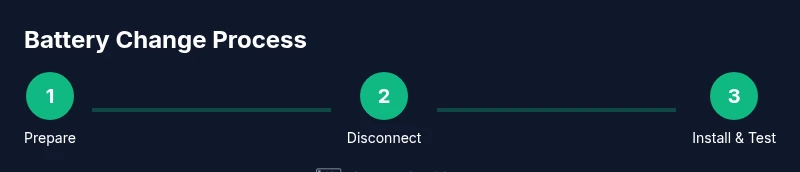
Begin by turning off the vehicle and removing the negative terminal clamp first to minimize the risk of short circuits. Then disconnect the positive terminal. Use a properly sized wrench to loosen the clamps, and avoid touching metal parts with your hands while the wrench is in contact with the terminals. Inspect the battery tray for corrosion and clean as needed using a non-conductive brush and baking soda solution if permitted by your manual. Keep track of all clamps and screws so you can reassemble accurately.
Installing the new battery and securing it
Place the new battery into the tray with the terminals in the same orientation as the old one. Reconnect the positive terminal first, then the negative terminal, ensuring the clamps are snug but not overtightened. Replace any hold-down clamps or brackets to secure the battery against vibration. If your battery has venting requirements, ensure the vent tube is connected as specified by the manufacturer. A loose battery can cause electrical issues or damage during operation.
Reconnecting, testing, and initial startup
Before starting the car, double-check all connections for tightness and proper placement. Start the engine and observe the gauge cluster for any warning lights. If any issue arises, switch off and recheck connections. A quick test could include turning on headlights and climate controls to confirm the electrical system is delivering adequate power. If the engine won’t start or you notice abnormal smells or overheating, seek professional assistance immediately.
Disposal, recycling, and post-change care
Do not dispose of a battery in regular trash. Take the old battery to an authorized recycling center or retailer that accepts used batteries, and take advantage of any core exchange program offered by the retailer. After replacement, clean the battery tray and the surrounding area to remove any residue. Store the old battery until you can drop it off, and keep a record of the replacement for your maintenance logs. Regular checks on terminals and clamps help prolong the new battery’s life.
Troubleshooting and maintenance tips for longevity
If the new battery seems to lose charge quickly, check for parasitic electrical drains, alternator performance, and corrosion on terminals. Clean connections with a gentle brush, apply terminal protector to prevent future corrosion, and ensure the battery is seated correctly in the tray. Regular driving that includes longer trips helps keep the battery charged and the alternator functioning properly. Battery Health advises following the manufacturer’s maintenance guidance to maximize longevity and performance.
Tools & Materials
- Socket wrench set (14-16 mm)(For battery clamps and terminal nuts)
- Insulated pliers(Use to handle small components safely)
- Safety glasses(Protection from acid splashes)
- Heavy-duty gloves(Chemical-resistant; avoid cuts)
- Battery terminal puller (optional)(Helps with stubborn clamps)
- Non-metal brush(Clean corrosion from the tray)
- Baking soda and water solution(Neutralizes acid for safe cleaning)
- Replacement battery(Ensure correct group size and rating)
- Terminal protector spray or grease(Prevents future corrosion)
Steps
Estimated time: 20-40 minutes
- 1
Prepare workspace and safety gear
Park on a flat surface, turn off the engine, remove keys, engage the parking brake, and wear eye protection and gloves. Ensure the area is well-ventilated and clear of clutter.
Tip: Double-check that the car is in park and the engine is cool before starting. - 2
Locate and inspect the battery
Open the hood and locate the battery. Look for corrosion on terminals or loose connections. If corrosion is present, plan to clean it after disconnecting the battery.
Tip: If you smell sulfur or see heavy corrosion, take extra precautions and consider professional help. - 3
Disconnect the negative terminal
Using the correct wrench, loosen the negative clamp and remove it from the battery terminal. Move it away to prevent accidental reconnection during the process.
Tip: Always disconnect the negative terminal first to minimize the risk of a short circuit. - 4
Disconnect the positive terminal and remove the clamp
Loosen and remove the positive clamp next. Keep track of all fasteners and clamps for reassembly.
Tip: Keep tools away from the battery post to avoid sparks and burns. - 5
Remove the battery from the tray
Carefully lift the battery from its tray using two hands. Use a strap or helper if the battery is heavy. Set the battery aside on a non-conductive surface.
Tip: Do not tilt the battery too quickly; it can spill acid or damaged seals. - 6
Clean the tray and inspect for corrosion
Inspect the tray for corrosion and clean it with a baking soda solution if needed. Dry the area completely before placing the new battery.
Tip: Avoid metal contact with your eyes during cleaning; rinse surfaces with water if splashes occur. - 7
Install the new battery and reconnect
Place the new battery in the tray in the correct orientation. Reconnect the positive terminal first, then the negative. Tighten clamps firmly without over-tightening.
Tip: Ensure the battery is fully seated and the terminals are clean for a solid connection. - 8
Test starting and verify operation
Start the car and confirm that all electrical systems function properly (lights, radio, dashboard). Look for warning lights to ensure proper charging.
Tip: If the engine doesn’t start, double-check polarity and terminal tightness before seeking help.
FAQ
Can I jump-start a car instead of replacing the battery?
Jump-starting can provide a temporary restart, but if the battery is deteriorating or failing, replacement is the safer long-term solution. Always test charging and alternator function if you suspect recurring issues.
Jump-starting can get you going temporarily, but replacement is usually the safer long-term choice.
What are common signs that a battery needs replacement?
Slow engine cranking, dim lights, a clicking sound when starting, and a battery warning light are typical signs. If these occur, have the battery and charging system tested.
Slow starts or dim lights are common signs a battery may need replacement.
How should I dispose of an old car battery?
Take the old battery to an authorized recycling center or retailer that accepts used batteries. Many places offer a core exchange program for a replacement.
Bring your old battery to a recycling center or retailer that accepts used batteries.
What if the car won’t start after replacement?
Double-check the terminals for a solid connection and verify the new battery is compatible with your vehicle. If issues persist, there could be an alternator problem or a fault in the electrical system.
If it won’t start after replacement, recheck connections and consider alternator health.
Is it necessary to replace the tray or keep the old one?
Usually the existing tray can be reused if undamaged and clean. Replace the tray only if it shows cracks, corrosion, or improper fit with the new battery.
Reuse the tray if it’s intact and clean; replace if damaged.
Watch Video
Quick Summary
- Disconnect negative terminal first to prevent shocks
- Reconnect positive terminal before negative to avoid short circuits
- Check for corrosion and clean safely
- Dispose old battery responsibly at an authorized center
- Test electrical systems after installation