Change Car Battery Service: A Step-by-Step Guide
Learn how to safely perform a change car battery service—from prep and safety to installation and post-test verification—with practical tips.


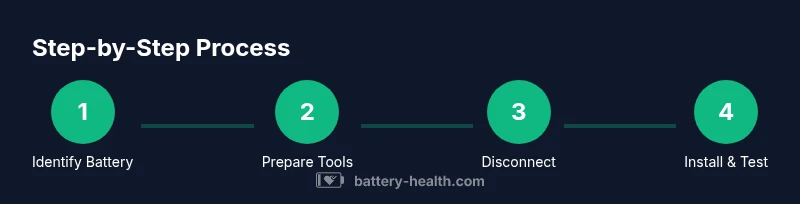
Here's how to perform a change car battery service: verify symptoms, gather tools, disconnect safely, replace with a compatible battery, and test the system. You’ll learn safety steps, torque specs, and when professional help is advised. Includes safety checks, corrosion prevention, and proper recycling. You’ll know which tools to use, how to disconnect with the ignition off, how to connect terminals correctly, and how to verify charging system performance after replacement.
What a change car battery service entails
The phrase change car battery service refers to the process of replacing or renewing a vehicle's 12-volt battery and ensuring the electrical system reanimates correctly. According to Battery Health, professional battery service emphasizes proper fit, clean terminals, and test-after-replacement to prevent early failures. A typical service includes confirming the symptom, selecting the correct battery type and size, disconnecting safely, replacing, and testing the alternator and charging system. This approach minimizes the likelihood of a no-start, slow crank, or interior electronics reset. A well-executed service also reduces the risk of corrosion spreading to nearby components and improves overall reliability. Battery Health’s guidance for 2026 reinforces the idea that careful installation and post-install testing are essential to long-term performance.
Tools, protective gear, and safety basics
Working with car batteries involves risk of sparks, acid exposure, and heavy lifting. Before you begin, wear safety glasses and gloves, remove jewelry, and work on a non-conductive surface. Gather essential tools: insulated handle ratchets, a socket set, a memory saver (optional), terminal cleaner, and a torque wrench if you have it. Use a corrosion-prevention spray on terminals and keep baking soda paste and water handy to neutralize any acid residue. Battery Health recommends verifying the battery group size and compatibility before you buy a new unit, and disposing of old batteries at an authorized facility. Ensure you have a clean workspace, adequate lighting, and a second person if the battery is difficult to handle.
Symptoms and choosing the right replacement
Common signs of a failing battery include slow crank, dim lights, and check-engine warnings. If the battery is old or fails a load test, replace it with a battery that matches your car’s group size, voltage, and cold-cranking amps. When possible, choose a high-quality AGM or standard lead-acid battery based on your vehicle’s requirements. Battery Health analysis suggests aligning with your vehicle’s manufacturer recommendations to maintain reliability and warranty coverage. Consider climate, driving patterns, and how often you start in cold conditions when selecting a replacement. A good fit helps avoid premature failures and warranty complications.
Pre-installation considerations: memory saver and checks
Note about memory saver: if your vehicle stores radio presets or steering wheel controls, connect a memory saver to a dedicated 12V power port during battery replacement to avoid losing data. If you don’t have one, you may need to reset some settings after installation. Also check for any dealer advisories or vehicle recalls related to your battery or charging system. Inspect the battery tray for damage, corrosion, or debris that could affect fit. Confirm that your replacement battery is compatible with your vehicle’s electronics and accessories.
Step-by-step disconnection and removal
- Turn off the ignition and remove the key; ensure all accessories are off. 2) Locate the battery and remove the negative terminal clamp first, using an insulated tool to prevent sparks. 3) Loosen and remove the positive terminal and any hold-down bracket. 4) Lift the battery straight up with a proper grip or strap. 5) Clean the tray and terminals, and inspect for corrosion. 6) Place the new battery into the tray, reconnect clamps in the proper order (negative first if following safety guidelines; if your manual specifies differently, follow it), and secure the hold-down. 7) Recheck terminal tightness and clear away any tools. If you encounter stubborn corrosion, use a baking soda paste, scrub gently, and dry thoroughly before reinstalling.
Installing the new battery and securing it properly
Carefully lower the new battery into the tray with the terminals oriented correctly. Reconnect the clamps, typically starting with the positive terminal, then the negative, and tighten them to the manufacturer’s torque specification. Install the hold-down bracket and ensure the battery sits firmly without rocking. Replace any protective caps or covers and apply a thin layer of terminal protectant to prevent future corrosion. If your vehicle requires it, reconnect the memory saver after installation to retain radio presets and settings.
Post-install testing and system verification
With the battery connected, turn on the vehicle and look for warning lights. Use a multimeter to verify a healthy battery voltage around 12.6V when the engine is off and around 13.7–14.7V when the engine is running, indicating the alternator is charging properly. Check for smooth cranking and consistent electrical performance—headlights, infotainment, and power windows should operate normally. If the readings are off, recheck connections and consider a professional voltage test of the charging system. Dispose of the old battery at a certified facility.
Disposal, recycling, and ongoing maintenance tips
Proper disposal is essential: take the old battery to an authorized recycling center or auto parts store that accepts used batteries. Keep terminals clean and dry, and periodically inspect for corrosion. Regular maintenance includes cleaning corrosion, checking tray integrity, and ensuring battery clamps are tight. If you drive in extreme temperatures, consider replacing the battery a bit earlier to avoid performance issues and stranded scenarios. Battery Health recommends following vehicle-specific maintenance schedules to extend battery life.
Tools & Materials
- New compatible car battery (correct group size)(Check panel label for voltage, group size, and reserve capacity)
- Safety gloves(Chemical-resistant, non-slip grip)
- Safety glasses(Eye protection against sparks and splashes)
- Insulated wrench/ratchet set(For terminal connections and clamps)
- Memory saver (optional)(Keeps radio presets and ECU data when disconnecting battery)
- Terminal cleaner or baking soda paste(Neutralizes acid and removes corrosion)
- Anti-corrosion terminal protection spray(Prevents future corrosion on terminals)
- Shop towels or rags(Clean spills and protect surfaces)
- Torque wrench (optional but recommended)(Use manufacturer torque specs for clamps)
- Battery lifting strap or helper(Most car batteries weigh 12–20 lbs; use assistive device if needed)
- Multimeter (optional)(To verify voltage before/after installation)
Steps
Estimated time: 30-45 minutes
- 1
Prepare workspace and safety gear
Park on a flat surface, engage parking brake, and turn off the ignition. Put on gloves and glasses, and remove any metal jewelry. Organize tools within easy reach to minimize movement around the engine bay.
Tip: Keep a memory saver cable ready if your vehicle stores radio presets. - 2
Identify battery type and locate terminals
Open the hood and locate the battery tray. Note the orientation of the terminals and any hold-down brackets. If you’re unsure about the battery type, check the owner’s manual or a labeling on the battery.
Tip: Confirm the battery group size to ensure a correct replacement. - 3
Disconnect the negative terminal first
Loosen the negative terminal clamp with an insulated tool and remove it from the battery post. This reduces the risk of shorting the positive post. Do not touch tools to grounded metal while the negative terminal is off.
Tip: Sparks are common; keep bystanders clear and away from metal jewelry. - 4
Disconnect the positive terminal
Loosen and remove the positive terminal clamp. If the clamp is stubborn, gently twist while pulling upward. Remove any securing bracket or clamp holding the battery in place.
Tip: If you see corrosion, clean with baking soda paste after disconnecting. - 5
Remove the battery hold-down and lift the battery
Loosen the hold-down bolt or bracket and lift the battery straight up using a lifting strap or with two-person assistance if needed. Avoid tipping the battery to prevent acid spills.
Tip: Keep the battery upright during removal to prevent spills. - 6
Clean and inspect the tray and terminals
Clean any corrosion from the tray and terminal posts using a brush and baking soda paste, then wipe dry. Inspect for cracks or damage and replace if needed. Dry thoroughly before placing the new battery.
Tip: Take a photo of the terminal layout for reference when connecting the new battery. - 7
Install the new battery and connect terminals
Place the new battery in the tray with the terminals in the same orientation as the old one. Reconnect the clamps in the reverse order (positive first or negative first depending on your manual), then secure the hold-down.
Tip: Follow manufacturer torque specs; avoid over-tightening which can damage terminals. - 8
Perform post-install tests and checks
With the battery connected, start the engine and ensure there are no warning lights. Measure voltage with a multimeter if available and verify charging system output while the engine runs.
Tip: If a warning light persists, recheck connections and consider a professional test. - 9
Dispose of the old battery responsibly
Transport the old battery to a recycling center or store that accepts used batteries. Do not leave it in the vehicle or garbage.
Tip: Many retailers offer a battery core credit when you purchase a replacement. - 10
Final safety and cleanup
Wipe down any spills, store tools, and wash hands after handling battery components. Recheck battery area for secure fit and clear passage around the engine bay.
Tip: Keep the work area ventilated and avoid smoking nearby.
FAQ
What is included in a standard change car battery service?
A standard service includes safety checks, battery removal, replacement, terminal cleaning, reattachment, and post-install testing of the charging system. It may also include disposal of the old battery. Always verify that your particular vehicle’s procedure aligns with the manufacturer’s guidelines.
A standard service includes safety checks, removal, replacement, cleaning, reattachment, and post-install testing of the charging system.
Do I need a memory saver during battery replacement?
A memory saver is recommended if your vehicle stores radio presets or other memory in the ECU. If you don’t have one, you may need to reset certain settings after installation.
A memory saver is recommended if your car stores presets; otherwise you might need to reset some settings after installation.
Which order should I disconnect the terminals in?
Always follow your vehicle’s manual, but a common safe practice is to disconnect the negative terminal first, then the positive, to minimize sparking risk.
Usually, you disconnect the negative terminal first, then the positive, to minimize sparks.
Can I replace a car battery myself at home?
Yes for many vehicles if you have the right tools and safety precautions. For hybrids, diesels, or expensive models, professional service is often recommended.
Yes for many cars if you have the right tools and safety steps; for complex models, consider professional help.
How should I dispose of the old battery?
Take the old battery to an authorized recycling facility or an auto parts store that accepts used batteries. They will recycle lead and acid properly.
Take the old battery to a certified recycling facility or auto parts store that accepts used batteries.
What safety precautions are essential?
Wear protective eyewear and gloves, keep tools away from metal surfaces, and work in a well-ventilated area. Do not smoke near the battery.
Wear eye protection, gloves, and work in a ventilated area; avoid smoking near the battery.
Watch Video
Quick Summary
- Plan the replacement with the correct battery in mind
- Disconnect negative first to reduce shock risk
- Secure the battery firmly and follow torque specs
- Test the electrical system after installation
- Recycle the old battery responsibly