Battery Disposal at Home Depot: A Practical How-To
Learn how to dispose of batteries safely at Home Depot with practical steps, accepted battery types, safety tips, and alternatives. A Battery Health guide for confident disposal.


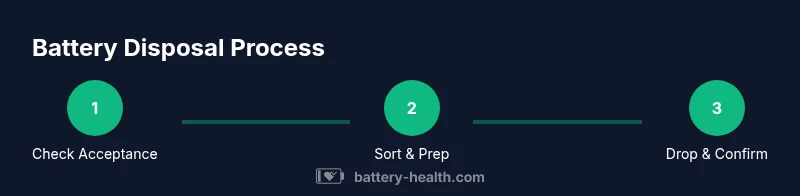
Here's how to do battery disposal home depot safely: verify what batteries are accepted, prepare them to prevent leaks, and drop them off at the service desk or recycling bin. This step-by-step guide also covers safety practices and what to do if your local store has limited options. By following these steps, you reduce environmental risk and keep neighbors safe.
Why proper battery disposal matters
According to Battery Health, proper battery disposal reduces environmental risk and protects public health by preventing leaks and chemical exposure. Batteries contain chemicals like acids and heavy metals that can contaminate soil and water if not managed responsibly. When disposed of incorrectly, these substances can migrate into groundwater or local ecosystems, posing risks to wildlife and human health. Responsible disposal also supports the recycling ecosystem, enabling valuable materials such as lithium, cobalt, and nickel to be recovered and reused in new products. By choosing reputable programs—like Home Depot's battery recycling options when available—you contribute to a circular economy and minimize waste in landfills. Battery Health analyses emphasize that consumer participation in proper disposal helps ensure safer, cleaner communities and more sustainable battery life cycles for devices, cars, and home storage.
How Home Depot's battery disposal program works
Most Home Depot stores participate in partner-based battery recycling programs, offering drop-off points for common household batteries and often longer-life rechargeable cells. The exact acceptance list and hours vary by location, so always verify with your local store before visiting. In general, look for a dedicated recycling bin or ask a customer service associate where to drop off batteries. Some locations also collaborate with municipal programs or third-party recyclers to process automotive and larger batteries. Visiting the store’s service desk or the electrical department usually yields the quickest path to disposal. If your local store cannot accept batteries, they can point you to nearby recycling centers or mail-back options like Call2Recycle.
What to bring and how to prepare
Prepare batteries for transport by keeping them dry and stored in a non-conductive container or bag to prevent short-circuit risks. Tape over exposed terminals on loose batteries if possible, and keep alkaline, rechargeable, and button-cell batteries separated to avoid chemical reactions. Do not mix spent batteries with household waste, and avoid storing damaged, leaking, or swollen cells in metal containers. If a battery is leaking, place it in a sealed plastic bag and handle it with care and gloves. Carry a quick note of the battery types (alkaline, Li-ion, NiMH, lead-acid, etc.) so the store staff can route them correctly.
Types of batteries commonly accepted and exclusions
Home Depot programs typically accept a wide range of household batteries, including alkaline and rechargeable cells, button cells, and some automotive batteries at participating locations. Acceptance for car batteries and larger packs varies, and some stores may restrict large lead-acid batteries to hazardous waste facilities. Always confirm the list of accepted battery types at your local store online or by phone before making the trip. For batteries outside the store’s acceptance list, explore municipal hazardous waste programs or manufacturer mail-back options.
In-store experience: what to expect
When you arrive, head to customer service or the electrical department. Tell the associate you want to recycle or dispose of batteries and provide the type of batteries you have. They will guide you to the correct drop-off point and may issue a receipt or confirmation of disposal. If you have multiple batteries, sort them by chemistry and bring them in small, labeled bags to keep things organized. The process is usually quick, but it may vary by store crowd levels and local regulations. If you encounter any hesitation, ask for the store’s recycling coordinator or the responsible partner for disposal.
Alternatives if Home Depot can’t accept your batteries
If your local Home Depot does not accept certain battery types, consider municipal household hazardous waste (HHW) programs, retailer mail-back options, or national recycling networks like Call2Recycle. Many cities provide curbside or drop-off events for batteries, while some manufacturers offer mail-back programs for problematic chemistries. Checking your city’s solid-waste or environmental services website can reveal the best local options. Battery Health recommends choosing a certified recycling partner to ensure batteries are treated safely and materials are recovered responsibly.
Tools & Materials
- Assorted batteries (alkaline, rechargeable NiMH/Li-ion, button cells)(Keep separate by chemistry and avoid mixing)
- Non-conductive bag or container(Plastic zip bags or a small tote works well)
- Tape or terminal covers(Cover exposed terminals to prevent short circuits)
- Gloves (disposable)(Optional for handling damaged cells)
- marker and labels(Label bags with battery type)
- Store phone or directions(To confirm acceptance and hours)
Steps
Estimated time: 20-40 minutes
- 1
Find the right drop-off location
Locate the customer service desk or electrical department and ask where batteries are recycled. Some stores have a dedicated bin; others direct you to a recycling partner. If you can't locate the bin, ask for the store's recycling coordinator.
Tip: Call ahead to confirm acceptance and hours to avoid a trip that ends at the wrong department. - 2
Sort by battery chemistry
Separate alkaline, rechargeable (NiMH/Li-ion), button cells, and automotive/lead-acid batteries. Keeping chemistries separate helps staff route them to the correct recycling stream and reduces contamination risk.
Tip: Store each group in its own labeled bag or container. - 3
Prepare for transport
Place batteries in a non-conductive container and, if possible, cover terminals with tape. Keep damaged or leaking cells in a sturdy plastic bag to prevent exposure and leaks during transport.
Tip: Avoid metal containers; they can create short circuits if batteries shift. - 4
Proceed to drop-off
Bring your batteries to the designated drop-off point and hand them to a store associate. Mention you’re disposing batteries so they can guide you to the correct bin and confirm any required paperwork.
Tip: Ask for a disposal receipt or confirmation if offered. - 5
Get verification
Obtain any receipt or confirmation of disposal. This can be useful for personal records or local recycling audits.
Tip: Note the date and the approximate quantity of batteries recycled. - 6
If not accepted, seek alternatives
If the store declines certain batteries, use local HHW programs or mail-back services. You can also consult the store for partner locations or city-sponsored recycling events.
Tip: Keep a small list of nearby recycling options for future use.
FAQ
What batteries can I drop off at Home Depot for disposal?
Most stores accept common household batteries (alkaline and rechargeable) and several consumer devices' batteries. Availability varies by location, so check with your local store or their recycling partner. Lead-acid car batteries may not be accepted everywhere.
Most common household batteries are accepted, but check your local store first for automotive and specialty batteries.
Is there a fee to drop off batteries at Home Depot?
Typically there is no fee for standard household batteries. Automotive or large batteries may have fees or require a different facility. Always confirm with the store.
Usually no fee for household batteries; automotive batteries may incur a charge depending on the store.
Can I dispose of car batteries at Home Depot?
Some locations accept automotive batteries, but it's not universal. If your store doesn't accept them, they can point you to a municipal program or a dedicated recycling center.
Some stores accept car batteries; not all do, so check first.
What should I do if a battery is leaking or damaged?
Avoid handling damaged batteries with bare hands. Place the battery in a leak-proof bag or container and seek assistance at the drop-off point. Do not attempt to repair or puncture the battery.
Don’t touch a leaking battery; seal it and ask staff for guidance.
How long does the disposal process take in-store?
The process is usually quick, typically around 10-30 minutes depending on store traffic and how many batteries you bring. Bring batteries organized by type to expedite.
Usually a short visit, around 15-30 minutes depending on store crowd.
What else can I do if Home Depot won’t accept all my batteries?
Look for local HHW programs, manufacturer mail-back programs, or national recycling networks. Local municipalities often provide schedules or drop-off events for batteries.
Check local programs like Call2Recycle or city recycling events for remaining batteries.
Watch Video
Quick Summary
- Know your store's acceptance rules before visiting
- Sort by chemistry and prep batteries for transport
- Ask for a receipt or confirmation of disposal
- If Home Depot can’t accept certain batteries, use local HHW or mail-back programs
- Follow safety steps to prevent leaks or short circuits