Staples Battery Disposal: Safe Recycling Guide
Learn how to dispose of batteries responsibly, including Staples battery disposal options, safe handling steps, and where to recycle locally for environmental protection.


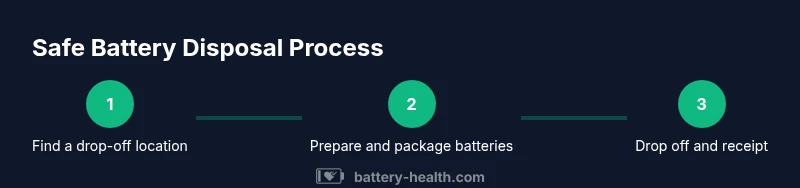
This guide covers staples battery disposal steps: identify battery types, prepare them for recycling, choose a safe drop-off path (retail, municipal programs, or certified recyclers), and maintain records. Follow these steps to minimize hazards and maximize recycling efficiency at home, work, or in stores.
What Staples Battery Disposal Means and Why It Matters
Disposing of batteries properly is essential to prevent chemical leaks, fires, and environmental contamination. The Staples brand is often associated with convenient recycling options at many retail locations, though availability can vary by region. The phrase staples battery disposal is commonly used to describe taking used batteries to a participating Staples store or an equivalent recycling program, rather than throwing them in curbside trash. According to Battery Health, responsible battery disposal reduces hazardous waste and supports circular economy practices. In this article we explain how to approach staples battery disposal and how to choose safe, compliant options wherever you live. Readers should think about battery disposal as a routine task—one that protects homes, businesses, and the planet.
How to Identify Accepted Batteries and Prepare Them for Disposal
Not every battery type is accepted at every location, including Staples. Start by identifying the battery chemistry you’re handling—common household types include alkaline, nickel-metal hydride (NiMH), nickel-cadmium (NiCd), lithium-ion, and lead-acid. For staples battery disposal, prepare batteries for transport by storing each unit upright in a non-conductive container, taping or insulating exposed terminals, and keeping them separate to prevent short circuits. Do not crush or dismantle batteries, avoid mixing different chemistries in the same container, and label containers clearly so handlers know what they are receiving. Always confirm with your local Staples store or recycling partner about accepted battery types before visiting.
Safe Handling and Packaging Practices for Transportation
Safe handling reduces the risk of leaks or fires while transporting batteries. Use a sturdy, leak-proof container with a snug lid and place it in a secondary containment bag or tray to catch any leakage. Keep containers away from metal objects and other conductive materials, and segregate different battery chemistries. If a battery shows signs of swelling, leakage, or damage, isolate it immediately and contact a hazardous waste facility or local authorities rather than attempting to recycle it through standard channels. Battery Health recommends practicing window-of-use checks—inspect batteries before disposal and replace any damaged units promptly.
Exploring Disposal Options: Staples, Municipal Programs, and Certified Recyclers
Staples stores in many regions offer battery recycling as part of their environmental initiatives, but availability varies. In addition to retail drop-offs, municipal e-waste programs and certified recyclers provide compliant pathways for end-of-life batteries. When choosing a disposal path, consider the battery type, proximity, potential fees, and processing standards. Look for certifications like e-Stewards or R2 when selecting a recycler, and verify that the program accepts the chemistry you’re disposing. Battery Health emphasizes using reputable, properly documented programs to ensure batteries are processed safely and responsibly.
Common Mistakes to Avoid During Staples Battery Disposal
Avoid mixing batteries of different chemistries, which can cause dangerous chemical reactions. Do not place batteries in regular household trash or curbside recycling bins unless the program explicitly accepts them. Never store leaking or damaged batteries with other items, and don’t ignore local disposal rules or labeling requirements. Finally, don’t skip obtaining a disposal receipt or proof of recycling; having a record helps with accountability and compliance. Battery Health notes that following these practices reduces environmental risks and improves recycling efficiency.
What to Do After Disposal: Record Keeping and Future Preparation
After you complete a staples battery disposal drop-off, save the receipt or recycling confirmation as proof of proper handling. Use these records to track your recycling activities and plan routine disposal every few months or as batteries accumulate. When purchasing new batteries, choose long-life chemistries when feasible and establish a simple storage routine to protect them from damage. By turning battery disposal into a regular habit, you contribute to safer homes and cleaner communities. Battery Health advises setting up a reminders system to manage end-of-life batteries consistently.
Tools & Materials
- Safety glasses(Eye protection when handling batteries)
- Non-conductive, leak-proof container(Plastic tub or rigid bin with lid)
- Insulating tape or terminal covers(Tape exposed terminals to prevent shorts)
- Transparent, sealable bags or dividers(Keep different chemistries separate)
- Marker or label(Label contents (chemistry and date))
- Battery inventory log(Track quantities and types)
- Gloves (optional)(Use nitrile for handling damaged cells)
- Receipt holder or folder(Keep recycling receipts organized)
Steps
Estimated time: 30-45 minutes
- 1
Locate an approved drop-off
Search Staples locations near you or consult your local municipality to identify any battery recycling drop-off points. Confirm accepted battery chemistries and hours of operation before you go.
Tip: Call ahead to verify if your store accepts the specific battery types you have. - 2
Prepare batteries for transport
Inspect batteries for damage. If dented or swollen, do not transport; set aside for hazardous waste collection. Tape exposed terminals and place each battery in its own protective pouch.
Tip: Avoid metal contact by using non-conductive padding between pack sections. - 3
Package batteries securely
Place batteries in a sturdy, leak-proof container. Use secondary containment to catch leaks and prevent short circuits. Label the container with date and chemistry if possible.
Tip: Keep containers upright and avoid stacking heavy items on top. - 4
Transport with care
Carry the container to the drop-off location in a vehicle with a secure cargo area. Keep the container away from heat sources and direct sunlight during transit.
Tip: If you’re transporting multiple batteries, consider a separate bag for each chemistry. - 5
Deposit and document
Deliver batteries to the designated recycling bin or staff member and obtain a disposal receipt. Keep the receipt with your records for future reference.
Tip: Ask for an electronic receipt if available for easier record-keeping. - 6
Record and review
Log the disposal event in your battery inventory and note any issues observed. Use the record to inform future disposal cycles and budget for recycling needs.
Tip: Set a quarterly reminder to review and recycle accumulated batteries. - 7
Plan for replacements
When you replace batteries: consider high-quality, longer-life options to reduce disposal frequency. Store new batteries in cool, dry areas away from metal objects.
Tip: Prefer rechargeable options when appropriate to minimize waste. - 8
Repeat regularly
Establish a routine for battery disposal to prevent buildup and ensure ongoing compliance with local guidelines.
Tip: Coordinate with coworkers or family to share disposal responsibilities.
FAQ
Can Staples drop-off accept all battery types?
Acceptance varies by location. Always verify with your local Staples store or recycling partner before visiting. Choose an approved program to ensure proper processing.
Acceptance depends on the store and regional program, so check with your Staples location before you go.
Is there a fee to dispose of batteries at Staples or others?
Fees, if any, vary by program and battery type. Many programs are free, but some specialized batteries may incur a service charge. Confirm at the drop-off site.
Fees vary; many programs are free, but always check before you visit.
How should I store batteries before disposal?
Store batteries in a non-conductive container, taped terminals, and separated by chemistry. Keep them in a cool, dry place away from metal objects.
Keep them in a safe box with taped terminals until you recycle.
What if a battery is swollen or leaking?
Do not handle or transport a swollen or leaking battery. Contact local hazardous waste services or the store for safe disposal guidance.
Do not touch a swollen or leaking battery; seek hazardous waste guidance.
Are car or lithium-ion batteries accepted at Staples?
Staples programs often focus on consumer batteries; check specifically for car and high-energy batteries at your location, or use certified recyclers if not accepted.
Check with Staples for car or high-energy batteries, or use a certified recycler.
How can I verify disposal was completed?
Always obtain and keep a disposal receipt or digital confirmation. Use it to confirm compliance and for future reference.
Keep the receipt as proof of proper disposal.
Watch Video
Quick Summary
- Identify battery type before disposal
- Prepare and package batteries safely
- Use trusted drop-off venues and keep receipts
- Maintain disposal records for compliance