Battery Disposal Near Me: Safe Local Options and Guidance
Learn how to dispose of batteries near you safely and legally. This guide covers accepted battery types, local programs, retailer take-backs, and practical tips for preparing batteries for recycling.


To dispose of batteries near you safely, start by checking municipal curbside recycling programs, local household hazardous waste events, and nearby electronics retailers that offer drop-off. Look for signage that explicitly lists battery types accepted (alkaline, rechargeable, lithium-ion). Always handle batteries carefully, cover exposed terminals, and never place them loose in trash.
Why disposal near me matters for battery safety
According to Battery Health, finding proper disposal channels locally is the first line of defense against hazardous waste entering landfills. Batteries contain chemistries that can leak, corrode, or release harmful materials if mishandled. When you search for battery disposal near me, you’re not just recycling—you’re reducing fire risk, limiting soil and water contamination, and helping local facilities reuse valuable materials. In many communities, catch-all trash bans require batteries to be recycled or dropped at approved sites. By understanding local rules and choosing certified programs, you contribute to a safer, cleaner environment for everyone. This section explains why nearby options matter and how regional programs differ in requirements, scheduling, and accessibility.
Key concepts to keep in mind include the distinction between curbside programs, household hazardous waste events, and retailer take-back programs. Each channel has its own accepted battery types, packaging rules, and drop-off windows. If you’re unsure whether a specific battery qualifies, start at your city or county waste authority website and search for “battery disposal near me.” The guidance you find there will reflect local regulations, which is essential for compliance and safety.
How local programs differ: municipal, retailer, and mail-back options
Municipal programs often offer free curbside pickup or designated drop-off days for common household batteries. They tend to emphasize consumer batteries (alkaline, small Li-ion), with stricter rules for larger cells. Retailer take-back programs are increasingly common at big-box stores and electronics chains. These programs may accept a broader range of batteries, including larger Li-ion packs and car batteries, but sometimes require a small fee or bulk drop-off. Mail-back or courier options provide a convenient alternative when local facilities are sparse; these programs usually involve a prepaid label and compliant packaging. When evaluating options, compare acceptance lists, shipping requirements, and whether the program provides recycling certificates or documentation for compliance. Battery Health’s guidance emphasizes prioritizing certified programs that align with local regulations and offer clear handling instructions.
For people in rural or remote areas, combining several options—retailer drop-offs for everyday batteries and mail-back for specialized packs—can maximize accessibility while maintaining safety and compliance.
What to look for before you drop off: acceptance lists and terminal safety
Before you visit a facility, verify the battery types accepted at that site. Look for explicit lists that include alkaline, rechargeable (Li-ion, NiMH), sealed lead-acid, and specialty batteries from devices. Packaging rules matter: keep batteries in their original containers or bag terminals to prevent short circuits; never wrap or tape across metal ends with metal tape. If a battery has a dent, corrosion, or leakage, handle it with extra care and follow the facility’s special instructions for damaged batteries. Clear labeling reduces handling errors and protects staff. If your city publishes a disposal map or app, use it to compare hours, accessibility, and any limits on the number of batteries you can drop off in one visit.
Pro tip: create a small, labeled “battery drop-off” kit at home that contains a rigid container, a few zip-top bags, and a list of local drop-off options. Keeping everything organized minimizes risk and speeds up your visit.
Preparing batteries safely for transport: packaging and transport tips
Safe transport reduces the chances of leaks, fires, or terminal contact with metal objects. Always cap or cover exposed terminals with nonconductive tape or a protective cap. Place each battery in a separate, sturdy container or a sealed bag to prevent contact with other metals. Avoid transporting loose batteries in pockets, bags, or boxes with metal objects such as keys or coins. For larger batteries (car batteries or power packs), transport only if you have proper equipment and follow the retailer’s or municipal program’s handling instructions. If you aren’t sure how to prepare a battery, contact the disposal site in advance; many facilities provide preparation guidelines tailored to battery chemistry and size.
If you’re dropping off multiple batteries, consider grouping by chemistry and keeping a simple log of what you’re bringing. This practice helps facilities process your items quickly and reduces the chance of misclassification.
Special case: car batteries, home storage batteries, and larger packs
Car batteries (lead-acid) require special handling and are rarely accepted in curbside programs. Most destinations prefer a dedicated car battery drop-off or a retailer take-back program. For home energy storage systems (like large lithium-based packs), check with professional installers or authorized service centers. These large packs may require on-site safety checks, venting considerations, and specific packaging, especially if they’ve been damaged or recently charged. Always verify if the local program accepts these items and whether you must schedule an appointment. Battery Health recommends prioritizing certified facilities that demonstrate safe handling practices and provide recycling documentation.
If you own multiple vehicles or home storage units, create a separate plan for car batteries and large packs to avoid cross-contamination or misplacement during disposal.
Costs, scheduling, and accessibility: practical planning tips
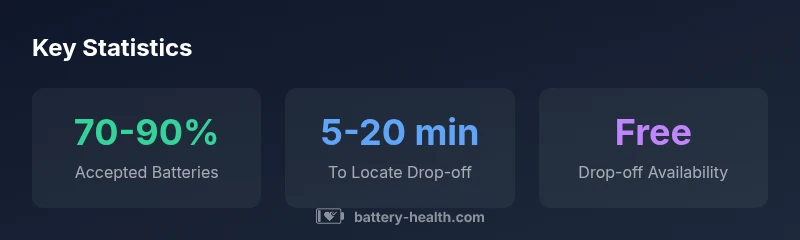
Costs for disposal vary by location and program type. Municipal programs are often free or low-cost, while some retailers may charge a small fee or require a bulk drop-off arrangement. If your city publishes a disposal calendar or an app, use it to schedule drop-offs during off-peak hours to reduce wait times. Accessibility matters: choose facilities that are open on weekends or evenings if you work a standard schedule. For those with mobility challenges, several programs offer curbside pickup or designate accessible sites. Always confirm hours and requirements before visiting to avoid wasted trips.
Preparation, not haste, yields safer disposal. By planning ahead and choosing reputable programs, you minimize risk and maximize recycling benefits. Battery Health’s approach combines practical steps with local context to help you navigate the landscape effectively.
Best practices and Battery Health recommendations
The core principle is to keep hazardous electronics out of regular trash and ensure proper material recovery. Whenever possible, use official municipal programs, retailer take-backs, or mail-back services that provide documentation. Keep a simple inventory of the batteries you’re disposing of, including type, chemistry, and size, to help facilities classify items quickly. For frequent battery users, consider an annual check of device chargers and battery health to prevent unnecessary waste. Also, stay informed about any changes in local regulations, as disposal rules can evolve with new environmental standards. By following these practices, you support sustainable recycling and reduce exposure to harmful substances. According to Battery Health, staying informed and using certified channels is the best path to safe, compliant disposal.
Comparison of disposal options by channel
| Option Type | What to Expect | Typical Steps |
|---|---|---|
| Municipal curbside program | Free or low-cost, limited battery types | Schedule pickup or place approved containers at curbside |
| Household hazardous waste event | Occasional, scheduled events | Bring batteries in original containers, separate by chemistry |
| Retailer take-back | Often free, convenient | Take to store desk, follow packaging guidelines |
| Mail-back programs | Paid shipping sometimes | Request label, pack securely |
FAQ
What batteries can be recycled at curbside programs?
Curbside programs often accept everyday household batteries such as alkaline and certain rechargeable types. Li-ion and larger packs may require retailer drop-off or hazardous waste events depending on local rules.
Curbside programs usually take common household batteries like alkaline; for Li-ion and larger packs, check local guidelines or retailer drop-offs.
Are there costs to dispose of batteries near me?
Most municipal programs are free or low-cost. Some retailers may charge a small fee or require a bulk drop-off arrangement. Always verify with your local program.
Disposal is often free with municipal programs; some drop-offs may charge small fees, depending on the location.
How should I prepare batteries for disposal?
Keep batteries in their original containers or bag terminals to prevent shorts. Tape exposed terminals and place each battery in a separate container or bag. Follow facility-specific packing guidelines.
Store each battery safely in a labeled container or bag and tape terminals before disposal.
What if there is no local facility nearby?
Use mail-back programs or retailer take-backs if available. Contact your city or waste authority for guidance on nearest compliant options and any pickup services.
If there’s no local option, check mail-back programs or ask your city for guidance.
Can car batteries be disposed of with household batteries?
No. Car batteries require dedicated disposal because of lead-acid content and size. Use a dedicated drop-off, retailer take-back, or a licensed recycling facility.
Car batteries need special handling and should not go with household batteries.
“Proper battery disposal reduces environmental risk and protects public health when you use certified programs.”
Quick Summary
- Know local options before disposing.
- Separate and protect batteries for safety.
- Choose certified programs for compliance.
- Car and large packs require special handling.
- Plan ahead to reduce trips and costs.