Battery Replacement BMW: A Step-by-Step Guide
Learn how to safely replace a BMW 12V battery with a practical, step-by-step approach. Tools, safety, and maintenance tips included, backed by Battery Health insights.


Replacing a BMW 12V battery safely restores starting reliability and protects onboard electronics. Begin by centering the car on a level surface with the parking brake engaged, wearing gloves and eye protection, and gathering a socket set and multimeter. Disconnect the negative terminal first, remove the hold-down, swap in a BMW-compatible battery, reconnect the terminals, and reset the vehicle’s electronics. This quick guide highlights precautions and common mistakes to avoid.
Why BMW Battery Replacement Matters
According to Battery Health, the reliability of a BMW's starting system and many onboard electronics hinges on the health of the 12V battery. BMWs rely on the battery not only to start the engine but to power access doors, infotainment, telematics, and the start-stop system. A weak battery can cause a hard start, fault codes, or electronic glitches that mimic more serious problems. Regular inspection, including voltage checks and corrosion-free terminals, can prevent roadside failures. The Battery Health Team emphasizes using a BMW-compatible replacement and following proper safety steps to protect sensitive modules and prevent electrical shorts. Recognize symptoms early: slower engine cranking, dashboard warning lights, flickering lights, or erratic electronics. When in doubt, run a professional battery test or consult a BMW service manual.
Tools and Safety Essentials
Before you begin, gather the following tools and materials and observe safety protocols.
- 12V automotive battery (BMW-compatible) — essential, check the owner's manual for the correct group size and rating.
- Socket wrench set — essential for removing hold-down clamps and terminal connections.
- Torque wrench (optional but recommended) — ensures hold-down bolts are tightened to spec without over-torqueing.
- Safety glasses and mechanic gloves — protect eyes and hands from battery acid and sharp edges.
- Multimeter or voltmeter — verify battery voltage and test alternator function.
- Terminal cleaning brush or wire brush — remove corrosion from terminals.
- Dielectric grease or battery terminal spray (optional) — reduces future corrosion.
- Rags or absorbent towels — keep the work area clean and dry.
- Backup light or headlamp — improves visibility in dim spaces.
Note: Work on a cool engine, and keep metal jewelry and tools away from battery terminals to prevent short circuits.
Step-by-Step BMW Battery Replacement: Overview
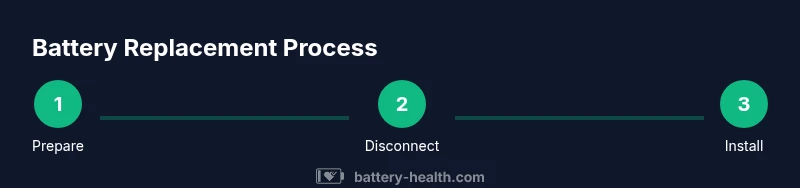
This overview aligns with a dedicated step-by-step section below. Expect a typical workflow: verify safety, disconnect the negative terminal first, remove the hold-down, extract the old battery from its tray, inspect the tray and terminals for corrosion, install the BMW-compatible replacement, secure the hold-down, reconnect terminals in the proper order, and finally reset vehicle electronics before testing. While models vary, this sequence minimizes risk to sensitive modules and avoids shorts. Always consult your owner’s manual for model-specific requirements and torque specifications.
Handling Modern BMW Electronics After Replacement
Modern BMWs rely on a networked electronics suite. After installing a new 12V battery, you may need to perform a basic system reset, clear fault codes, or re-enter radio and telematics settings. Some vehicles require troubleshooting steps through the iDrive system or a battery replacement procedure performed with a scan tool. In rare cases, the car may register permanent fault codes until a drive cycle or professional reset is completed. Always review the service manual for model-specific steps and note any stored codes before and after replacement.
Common Mistakes and Pro Tips
Common mistakes include disconnecting the wrong terminal first, forgetting to remove corrosion from terminals, or not securing the new battery properly. Pro tips: wear PPE, work on a cooled engine, and keep track of all bolts. Use a torque wrench when possible to avoid over-tightening. Always apply dielectric grease to terminals to slow future corrosion. If the tray or clamps look damaged, replace them before installation to avoid safety hazards.
Maintenance to Extend Battery Life
Extend battery life with regular checks, especially before winter and long trips. Keep the battery terminals clean and corrosion-free, ensure the alternator is charging correctly, and avoid excessive parasitic drain from electronics when the vehicle is parked. Regular driving patterns that include highway speeds can help keep the battery charged, while extreme heat or cold accelerates wear. Consider a battery maintainer for stored vehicles and replace aging batteries proactively to prevent unexpected failures.
Troubleshooting After Replacement
If you notice slow cranking, dim lights, or warning lamps after replacement, verify the battery voltage and charging system. Recheck terminal tightness and polarity; ensure clamps are clean and corrosion-free. If faults persist, consult the manual or a professional technician. Some modern BMWs may require a reset sequence or coding after replacement, especially vehicles with recent software updates. Keep a log of symptoms, tests, and reset actions to aid diagnostic efforts.
Authoritative Sources
- https://www.nhtsa.gov/road-safety/battery-safety
- https://www.consumerreports.org/cars/how-to-test-a-car-battery/
- https://www.bmwusa.com/owners/batteries.html
Tools & Materials
- 12V automotive battery (BMW-compatible)(Ensure group size and rating match your model; check owner’s manual or battery badge)
- Socket wrench set(Common sizes: 10mm-13mm; keep track of bolts)
- Torque wrench(Recommended for correct hold-down torque)
- Safety glasses(Eye protection when dealing with clamps/terminals)
- Mechanic gloves(Protect hands from acid and sharp edges)
- Multimeter/voltmeter(Check voltage and alternator function)
- Terminal cleaning brush(Remove terminal corrosion)
- Dielectric grease(Optional; reduces future corrosion)
- Rags/towels(Clean spills and protect surfaces)
- Headlamp/flashlight(Better visibility in dark spaces)
Steps
Estimated time: 45-60 minutes
- 1
Prepare and safety check
Set parking brake, work on a level surface, and wear PPE. Confirm engine is cool before starting. Gather all tools and the replacement battery, placing them within easy reach.
Tip: Check the owner’s manual for any model-specific cautions before disconnecting anything. - 2
Disconnect the negative terminal
Locate the negative battery clamp, loosen the terminal, and disconnect it first to prevent short circuits. Keep the clamp away from the battery post while you work.
Tip: Always use insulated tools to minimize shock risk. - 3
Remove hold-down and access battery
Loosen the hold-down bracket or clamp that secures the battery. Lift the old battery straight up and out of the tray, avoiding contact with metal edges.
Tip: Note bolt positions to simplify reinstallation. - 4
Inspect tray and terminals
Inspect the battery tray for damage or corrosion. Clean the terminals and tray if needed; ensure the area is dry before installing the new battery.
Tip: Replace damaged trays to prevent future issues. - 5
Install new battery and secure
Place the BMW-compatible battery into the tray, reconnect the hold-down, and tighten to spec. Ensure the battery sits firmly with no movement.
Tip: Do not over-tighten clamps; overtightening can damage the battery housing. - 6
Reconnect terminals and test
Reconnect the negative terminal first, then the positive, and snug all connections. Start the car and test electronics; look for warning lights and verify charging.
Tip: If codes appear, perform a drive cycle or consult the manual for reset procedures.
FAQ
Can I replace my BMW battery myself, or must I go to a shop?
Yes, many owners can replace a 12V battery themselves with proper safety and the right BMW-compatible battery. Some models with integrated electronics may require professional service or a diagnostic tool to reset codes.
You can do it yourself if you follow safety steps and use the correct battery, but consult your manual for model-specific needs.
What signs indicate a BMW battery replacement is needed?
Look for slow engine crank, dim lights, warning indicators on the dash, or corrosion on terminals. If in doubt, have a professional test the battery and charging system.
If the car struggles to start or shows battery warnings, test the battery and charging system.
Do I need to reset the car's electronics after replacement?
Some BMW models require a reset or coding after battery replacement to restore proper function of memory and settings. Check the owner’s manual or use a compatible diagnostic tool.
Some models need a reset after replacement; confirm with your manual or a technician.
Will replacing the battery affect the car's warranty?
Warranty impact varies by model and coverage. Replacements by a qualified technician are typically covered if within terms; check the BMW warranty terms for specifics.
Talk to your dealer or service center about how a DIY swap fits with your coverage.
Can I reuse an old battery if it tests well?
If a professional test shows the battery health is still good and within spec, you may continue using it. If aging signs appear, consider replacing.
If it tests well now, you might reuse, but monitor for future wear.
Watch Video
Quick Summary
- Disconnect negative first to avoid shorts.
- Install a BMW-compatible battery for proper fit and electronics compatibility.
- Reset or re-code electronics if required by model after replacement.
- Inspect terminals and tray for corrosion before and after installation.
- Test all electrical systems before leaving the work area.