Car Jump Start Battery: Safe Step-by-Step Guide
Learn how to safely jump-start a car with a drained battery. This comprehensive guide covers safety, wiring order, step-by-step procedures, troubleshooting, and maintenance to keep your car ready for the road.


You will safely jump-start a car by using a donor battery and jumper cables, following a strict safety sequence and correct polarities. This guide covers preparation, cable connection order, starting procedures, and post-start steps to avoid damage to the electrical system. It emphasizes safety gear, situational awareness, and when to seek roadside assistance.
What is a car jump start battery and why it matters
A car jump start battery is the lead-acid battery in your vehicle that provides the initial surge of power needed to crank the engine. When this battery is drained or fails, the engine won't turn over, leaving you stranded. Understanding how to safely apply a jump start can prevent damage to the electrical system and reduce the risk of injury. This guide explains the essentials of jump-start safety, the correct wiring order, and practical steps to get back on the road with confidence. According to Battery Health, proper jump-start knowledge helps protect the alternator, starter motor, and sensitive electronics from voltage spikes. The Battery Health team emphasizes using the right equipment and following the correct sequence to minimize risk. You will encounter the term car jump start battery frequently as you read, so stay attentive to each step and precaution.
Safety first: risks and safeguards
Jump starting a car involves handling exposed metal parts, energized circuits, and potentially explosive fumes from the battery. Sparks or short circuits can cause burns, battery acid exposure, or fire if the battery cases are damaged or the cables are connected incorrectly. Always wear protective gloves and safety glasses, remove jewelry, and work in a ventilated area. Do not smoke or create sparks near the battery, and keep children and pets away. If you notice cracks, bulges, or leaking fluid in either battery, do not attempt a jump-start and call roadside assistance. A careful, methodical approach protects your car’s electrical system, including the alternator and onboard computers, from voltage spikes that can occur during a jump start battery procedure.
Tools and supplies you’ll need
Before you begin, gather the essentials so you don’t interrupt the process. A good set of jumper cables (4–6 gauge, 12–16 feet is ideal) is the core requirement. Wear safety gear and have a flashlight in case light is low. Keep the donor vehicle in good working order with a charged battery. If you have a battery-terminal brush, you can clean corrosion from terminals safely. A copy of your vehicle’s owner manual is helpful for model-specific instructions. Optional but useful items include chocks for wheels, gloves with grip, and a fire extinguisher rated for Class B fires. The goal is to minimize variables and move quickly and safely through the car jump start battery procedure.
The correct wiring order at a glance
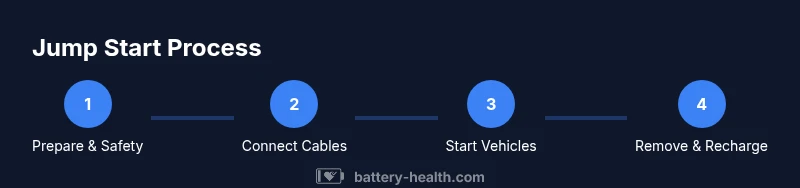
The widely recommended sequence for a car jump start battery is designed to minimize sudden voltage changes that can damage electronics. Start by identifying positive (+) and negative (−) terminals on both batteries. Connect the positive jumper clamp to the dead battery’s positive terminal, then to the donor battery’s positive terminal. Next, connect the negative jumper clamp to the donor battery’s negative terminal, and finally to a bare metal ground on the engine block or frame of the car with the dead battery. Do not connect the negative clamp directly to the dead battery. This order reduces the risk of sparks near hydrogen gas released by the dead battery and helps protect sensitive components. During the process, watch the gauge cluster for normal readings and listen for a steady engine rhythm on the donor vehicle before attempting to start the dead car.
Starting the engine and monitoring gauges
With cables in place, start the donor vehicle first and let it run for a few minutes to build charge. A successful transfer should allow the dead battery to accumulate enough voltage to engage the starter. If the dead car doesn’t start after a few minutes, stop and re-check your connections for tight, clean contacts and correct polarity. Avoid cranking for long periods; excessive cranking can over-stress the starter or wiring. While the dead car is starting, monitor for unusual smells, sizzling sounds, or smoke. If you notice anything abnormal, disconnect the cables safely and seek professional help. Remember, car jump start battery operations must be performed carefully to avoid damage.
Removing cables and post-start care
Once the dead car runs, remove the jumper cables in the reverse order of connection: first disconnect the black clamp from the engine ground, then from the donor battery; then remove the red clamp from the donor battery, and finally from the dead battery. Keep the engines running for at least 15–20 minutes or drive to recharge the dead battery fully. This ensures the battery receives a proper recharge and reduces the likelihood of a repeat failure. After the procedure, store the cables neatly and inspect them for wear and corrosion before the next use. car jump start battery knowledge should be applied with patience and care.
Troubleshooting common issues
If the dead car fails to start after a successful connection, re-check the battery terminals for corrosion, ensure the donor vehicle’s battery is actually charged, and verify there is no blown fuse or wiring damage in the starting circuit. In some cases, a dead battery may be beyond a jump start, indicating a faulty alternator or a battery that can’t hold a charge. If you hear clicking but no engine turn over, the problem may be insufficient amperage flow. In cold weather, the battery’s chemical reactions slow, so you may need to wait longer or use a higher-capacity donor battery. When in doubt, call for roadside assistance and avoid dangerous improvisations with improvised power sources.
Maintenance and long-term readiness
To keep your car jump start battery readiness high, perform periodic battery health checks, clean terminals, and replace aging cables before they fail. Clean connections optimize current flow and reduce resistance. Regularly inspect for corrosion, and keep a spare set of jump cables in your trunk. If your vehicle has a history of frequent dead-battery incidents, consider a professional battery test to assess state of charge and overall health. A well-maintained charging system helps ensure a reliable car jump start battery experience when you need it most.
When to seek professional help and alternatives
If you notice swelling, leaks, or a consistently dead battery that won’t take a charge, seek professional help. Jump-start procedures can mask underlying problems like a failing alternator, parasitic draw, or deep-cycled battery. In some cases, replacing the battery or wiring components might be the only reliable solution. For those who don’t carry jump cables or are stranded in unsafe situations, locating a nearby automotive service or roadside assistance is the safest alternative. Battery Health recommends using professional services for recurring issues rather than attempting repeated jump starts, which can stress electrical components.
Note: This section uses the keyword car jump start battery to reinforce the concept and will appear throughout the article to improve readability and SEO relevance.
Tools & Materials
- Jumper cables (4-6 gauge, 12-16 ft)(Ensure clamps are clean and free of corrosion; strain relief is helpful)
- Safety glasses(Protect eyes from sparks and battery splashes)
- Work gloves(Grip and protect hands during handling)
- Flashlight(Optional but useful in dim conditions)
- Owner’s manual (both vehicles)(Check model-specific notes and warnings)
- Chocks or wedges(Used to prevent vehicle movement on incline)
Steps
Estimated time: 15-20 minutes
- 1
Park and prep
Position both vehicles on a dry, level surface with parking brakes engaged. Turn off all accessories and lights, and set the engine to off. Ensure safety by removing jewelry and wearing gloves while you prepare for a car jump start battery procedure.
Tip: Double-check that the cars aren’t touching and that the area around the batteries is clear of flammable materials. - 2
Inspect and prepare batteries
Open the hoods and inspect the batteries for cracks, leaks, or corrosion. If terminals are corroded, gently clean them with a terminal brush or solution designated for battery terminals. Confirm the donor battery is charged and the dead battery is a viable candidate for jump starting.
Tip: Do not attempt to jump-start a damaged battery; leakage or swelling increases the risk of injury. - 3
Connect the positive clamps
Attach one red clamp to the positive terminal of the dead battery, then connect the other end of the red clamp to the positive terminal of the donor battery. Ensure the clamps have solid contact and aren’t touching other metal parts.
Tip: Keep clamps away from each other to avoid a direct short circuit. - 4
Attach the negative clamp to the donor
Connect the black clamp to the negative terminal of the donor battery. Then attach the other end of the black clamp to a clean, unpainted metal surface on the engine block or chassis of the car with the dead battery, away from the battery itself.
Tip: Ground to metal, not the dead battery terminal, to reduce sparks near hydrogen gas. - 5
Start the donor car
Start the donor vehicle and let it run for a few minutes to transfer charge. If the dead car doesn’t respond after a couple of minutes, re-check connections and allow more time for charging.
Tip: Avoid cranking the dead engine for more than 5-10 seconds at a time; give the battery a chance to recover between attempts. - 6
Start the dead car
Attempt to start the dead car. If it starts, let it run and idle for several minutes while charging continues. If it doesn’t start, remove the cables in reverse order and call for roadside assistance.
Tip: If you hear rapid clicking, there may be a deeper electrical issue and you should seek professional help. - 7
Remove cables safely
Once the dead car runs, remove the cables in the reverse connection order: black from the engine ground, black from the donor negative, red from the donor positive, then red from the dead battery. Keep motors running for a while to recharge the dead battery.
Tip: Never touch clamps while removing to avoid accidental contact. - 8
Test and drive
Drive the vehicle for at least 20 minutes to allow the alternator to recharge the battery fully. If the battery fails again, consider a professional battery test or alternator check.
Tip: If the car stalls soon after, stop safely and seek assessment as the issue may be a failing alternator or another electrical fault.
FAQ
What is the best type of jumper cables for car jump starts?
Choose heavy-duty jumper cables (at least 4 gauge) with clean, insulated clamps. Thicker cables reduce resistance and improve current transfer.
Opt for heavy-duty jumper cables with clean clamps for better current transfer.
How do I know if my battery is too damaged to jump-start?
Look for bulges, cracks, leaks, or a battery that can’t hold a charge. If any of these are present, do not attempt a jump-start.
If you see damage or it won’t hold a charge, don’t jump-start and call for help.
Can jump-starting damage electronics?
Yes, improper connections or voltage spikes can cause damage to sensitive electronics. Always follow the correct sequence and remove cables carefully.
Improper connections can harm electronics; follow the steps exactly.
How long should I let the donor car run before trying to start the dead car?
Let the donor car run for a few minutes to transfer charge. If the dead car doesn’t start, wait and re-check connections before trying again.
Give the donor car a few minutes to transfer charge, then retry if needed.
Is jump-start safe in cold weather?
Cold reduces battery efficiency. Be prepared for longer connection times and ensure cables are still making solid contact.
Cold weather slows reactions; be patient and recheck connections.
What should I do if the dead battery dies again after jump-start?
There may be an underlying fault (alternator, parasitic draw, or a bad battery). Have the system tested by a professional.
If it dies again, there’s likely a bigger issue—get a professional check.
Watch Video
Quick Summary
- Follow the correct cable order for safety
- Inspect batteries before starting
- Let the donor car run to recharge the dead battery
- Disconnect cables in reverse order
- If in doubt, seek professional help