Battery Replacement iPhone: A Complete How-To
Learn how to perform a safe battery replacement iphone, compare DIY vs professional options, choose parts, and calibrate for lasting performance. Expert tips from Battery Health guide you through each step.


This guide helps you achieve a safe battery replacement iphone, whether you DIY or hire a service. You’ll learn the essential tools, safety cautions, battery specs, and a clear workflow to install a fresh cell and calibrate it for optimal performance.
Why a Battery Replacement iphone Matters for Your Phone's Health
According to Battery Health, battery health naturally declines as iPhones age and undergo charging cycles. A worn battery can cause slower performance, unexpected shutdowns, and reduced peak power under load. A battery replacement iphone can restore peak performance by replacing aging cells and improving the amount of usable capacity per charge. Battery Health analyses also show that keeping the battery healthy helps maintain consistent responsiveness, reduces heat buildup during heavy use, and preserves the device's resale value. If you notice shorter screen-on time or the device feels unusually warm, planning a battery replacement iphone is worth considering. This guide focuses on practical, safe options to get you back to reliable performance while respecting device integrity and safety.
Throughout this article we’ll discuss how to determine if you’re a good candidate for a replacement, what to buy, and how to complete the process with confidence.
Understanding iPhone Battery Specs and Compatibility
iPhone batteries are lithium-ion cells designed for compact form factors and high energy density. When choosing a replacement, it’s important to match the model and ensure the cell’s specifications align with Apple’s requirements for your device. OEM (original equipment manufacturer) batteries typically provide the best fit and calibration behavior, but reputable third-party cells can be a cost-effective alternative if you verify compatibility and warranty terms. Look for a battery with correct chemistry, voltage rating, and a secure connector. Avoid generic packs that don’t list model compatibility, as mismatches can affect performance or safety. Battery replacement iphone projects benefit from checking adhesive type, waterproof sealing, and connector geometry to ensure a snug reassembly. If you’re unsure, consult official repair resources or a trusted technician before purchasing parts.
By understanding this, you’ll be better prepared to evaluate options, avoid counterfeit parts, and ensure that your battery replacement iphone yields reliable, long-lasting performance.
DIY vs Professional Service: Pros, Cons, and Warranty Implications
Performing a battery replacement iphone yourself can save money and provide a learning experience, but it carries risks. DIY work requires careful handling of sensitive components, precise tools, and knowledge of proper connector sequence to avoid short circuits or motherboard damage. Professional service offers warranty coverage on the replacement, tested safety checks, and often faster turnaround, but prices vary by model and region. If your device is still under AppleCare or a similar plan, professional service may be covered or discounted, so check the policy first. Regardless of approach, ensure you understand the warranty implications for third-party batteries and the device’s IP rating after reassembly. Battery Health notes that proper procedure minimizes risk and preserves device longevity when performing a battery replacement iphone.
Tools, Parts, and Safety Gear You Need
Preparing the right tools and parts is essential for a smooth battery replacement iphone. Gather a compatible replacement battery, precision screwdrivers, a spudger, a nylon pry tool, a suction cup, and anti-static handling materials. You’ll also want fresh adhesive strips and alcohol wipes to clean surfaces and seal the device after replacement. Wear disposable gloves to reduce skin oils on connectors and work in a static-free workspace to prevent electrostatic discharge. Always power down before starting and disconnect any connected cables only after ensuring the device is fully off. Following these steps helps protect battery health and device safety during a battery replacement iphone.
Step-by-Step Overview (What to Expect in the Detailed Steps)
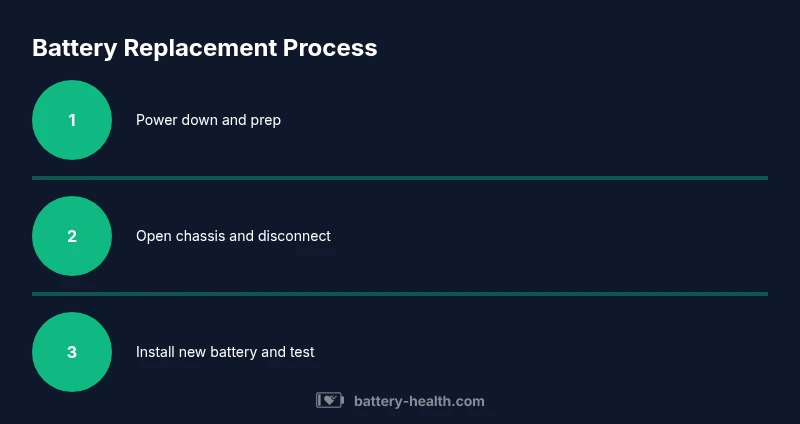
Below is an overview of the essential stages involved in a battery replacement iphone. Each step should be performed with care to avoid damage to the display assembly or logic board. After you complete the high-level steps, the detailed Step-by-Step section will provide precise actions, safety cautions, and time estimates. This overview also highlights calibration steps that help the new cell report accurate capacity and optimize charging behavior for Battery Health.
Aftercare, Calibration, and Extending Battery Health
Calibrating the new battery helps the device correctly report charge level and maintain efficient charging. After installation, use the device normally for a few cycles and then fully discharge before recharging to around 80%–90% capacity. Avoid exposing the phone to extreme temperatures during the initial charge cycles, and update iOS if a battery-health optimization patch is released. Battery Health recommends monitoring the battery status under Settings > Battery to ensure the cycles and health percentage trend upward after the replacement. If you notice rapid discharge or abnormal heat, revisit the installation to verify all connectors are seated properly and that the adhesive is securing the battery in place. With proper care, a battery replacement iphone can restore performance and extend device life.
Tools & Materials
- Replacement battery compatible with your iPhone model(Choose a reputable brand; ensure model compatibility (e.g., iPhone 12, iPhone 13, etc.).)
- Pentalobe screwdriver (P2)(For exterior screws at the device rim.)
- Y000/tri-point screwdriver(Internal screws securing the chassis and components.)
- Spudger tool (nylon)(Non-metal tool to gently disconnect connectors.)
- Suction cup(Helps lift the display assembly without damaging the seal.)
- Plastic opening picks(Use to aid resealing; optional if you have a thin plastic card.)
- Isopropyl alcohol (70–90%)(Clean contact surfaces and remove adhesive residue.)
- Adhesive strips or new battery adhesive(Re-seal the battery in place to maintain structural integrity.)
- Anti-static wrist strap or mat(Helps prevent static discharge; optional if you’re grounded.)
Steps
Estimated time: 60-90 minutes
- 1
Power down and prepare workspace
Fully power off the iPhone and disconnect any accessories. Set up a clean, static-free workspace with good lighting. This initial step reduces the risk of short circuits during the battery replacement iphone.
Tip: Place the device on a non-slip mat and keep small screws in labeled containers to avoid loss. - 2
Remove exterior screws and open the screen
Use the P2 screwdriver to remove the two exterior screws near the lightning port. Apply the suction cup to the display edge and gently lift, inserting a nylon tool to separate the display from the frame without bending it.
Tip: Work slowly; avoid prying too deeply to prevent damage to the display cables. - 3
Disconnect the battery and screen connectors
Carefully disconnect the battery connector first using a spudger, then the screen cables. Keep track of each connector location. This prevents accidental power delivery during removal of the old cell.
Tip: Take pictures of connector placements before removal for reference during reassembly. - 4
Remove the old battery
Pry the battery away from the frame using a plastic pick. If adhesive strips resist, apply small, careful heat with a gentle heat source to loosen adhesive without harming the battery. Lift the old cell out once detached.
Tip: Avoid bending the battery or puncturing it; a puncture can release hazardous chemicals. - 5
Install the new battery and reconnect
Place the new battery in the cradle, reconnect the battery and display connectors in reverse order. Ensure a snug fit with the adhesive, then re-seat all connectors. This reassembly phase is critical for device safety.
Tip: Check that the new battery’s tab is intact and not punctured; test fit before sealing. - 6
Seal, test, and calibrate
Reattach the display assembly, replace exterior screws, and power on to test basic functions. If possible, run a charging cycle to initiate calibration of the new cell. Proper calibration helps the system report accurate battery levels.
Tip: If the device won’t power on, retrace steps to ensure connectors are fully seated. - 7
Final steps and disposal
Dispose of the old battery according to local regulations. Clean the workspace and store spare parts for future use. Document the replacement in your maintenance log.
Tip: Keep the warranty paperwork handy if your replacement was performed by a service provider.
FAQ
Is it safe to replace an iPhone battery at home?
Replacing an iPhone battery at home can be safe if you follow proper procedures and use the correct tools. It requires careful handling of sensitive components and awareness of risk. For many users, a professional service may be the safer option, especially for newer models with complex internals.
Yes, it's possible to replace an iPhone battery at home if you follow the steps carefully and use the right tools. Otherwise, a professional service is a safer alternative.
What are the signs that my iPhone needs a new battery?
Common signs include shortened battery life, unexpected shutdowns, slower performance, and the device heating up during charging or use. If you notice these, a battery replacement iphone may help restore reliability.
Watch for short battery life, unexpected shutdowns, and slow performance as signals you might need a new battery.
Will replacing the battery affect my warranty?
DIY replacements may void certain warranties if not performed by Apple or an authorized service. Some third-party services offer warranties on the replaced part. Check your device's warranty terms and service provider policy before proceeding.
Replacement work can affect warranty terms; verify with your service provider before starting.
Can I use any replacement battery, or should I buy an OEM?
OEM batteries ensure compatibility and calibration accuracy, but reputable aftermarket options can work well if they match the model and come with a warranty. Avoid unknown brands that don’t list model compatibility.
Choose an OEM or trusted aftermarket battery that clearly matches your iPhone model for best results.
How long does a typical battery replacement take?
A typical battery replacement takes about 45 to 90 minutes, depending on model and your experience with tools. Adolescence or warranty concerns may extend this time if testing is required.
Most replacements take under an hour, but allow extra time if you’re new to the process.
What maintenance steps should I do after a replacement?
Calibrate the new battery by letting it run from full to very low and then charging to full. Monitor health in Settings > Battery and avoid extreme temperatures to maximize lifespan.
Calibrate the battery with a full cycle and monitor health in settings.
Watch Video
Quick Summary
- Identify model compatibility before buying parts
- Choose OEM or reputable batteries for best results
- Follow safe disassembly to protect the logic board
- Calibrate after installation for accurate battery reporting