Apple iPhone Battery Replacement: A Complete How-To
A comprehensive, step-by-step guide to replacing an iPhone battery safely, comparing DIY vs professional options, and tips to maximize longevity. Learn tools, safety, and aftercare for the best results.


You can restore peak performance on an Apple iPhone by replacing the battery, either yourself or via a trained technician. This guide covers safety reminders, the exact tools you'll need, and a clear step-by-step replacement process. Before you start, ensure you have a compatible Apple battery, a precision toolkit, a clean work surface, and anti-static precautions.
Why replacing the battery matters for iPhone performance
According to Battery Health, a worn-out battery can throttled performance, cause unexpected shutdowns, and reduce daily uptime. The frequency with which you notice these issues often correlates with the battery’s health: as capacity declines, the phone may feel slower, apps may unload more aggressively, and peak power delivery can drop. If you’ve seen shorter-than-usual screen-on times or your device heat up during charging, it’s a strong sign that a replacement is worthwhile. For many users, replacing the battery extends the phone’s useful life, delaying the need for a newer device and improving overall reliability. If you’ve been exploring the phrase apple iphone replace battery in search results, you’re in good company—these updates typically restore performance and responsiveness when done correctly. The Battery Health team emphasizes choosing parts from trusted sources and following proper safety steps to avoid damage to the device or injury to yourself.
Battery health basics and model compatibility
Batteries for iPhones are lithium-ion cells assembled with protective circuitry. Over time, the chemical aging process reduces capacity and efficiency, which manifests as shorter charge, slower performance, and more frequent charging. When planning a replacement, confirm compatibility with your exact model and region, because battery geometry, connectors, and adhesive strips differ across generations. You’ll also want to consider battery health status in iOS settings as a quick gauge of whether a replacement will make a meaningful difference. Battery health is typically described as a percentage of design capacity; a lower percentage often signals the need for replacement. The goal is to replace before the battery becomes too swollen or poses a safety risk, and to ensure you’re using components that meet or exceed OEM specifications. Battery Health’s research suggests that timely replacement minimizes performance throttling and helps maintain consistent peak power delivery.
DIY vs professional: weighing the options
DIY replacement can save money and provide a sense of accomplishment, but it comes with risks: puncturing a cell, damaging connectors, or compromising waterproof seals in some models. Professional service offers a proper warranty check, official diagnostic steps, and specialized tools that ensure compatibility with current assemblies. If your device is still under warranty or AppleCare, a service performed by Apple or an authorized provider can protect coverage and ensure the device continues to function as intended. The decision often comes down to your comfort with small fasteners and delicate components, the availability of trusted parts, and the model you own. Battery Health recommends evaluating the total cost (parts plus labor) and potential impact on resale value when choosing between DIY and professional replacement.
What you’ll need before you start
Before you begin the process, assemble a clean, well-lit workspace with a non-slip mat. Gather a compatible replacement battery, a precision screwdriver kit (including P2/Pentalobe and, if needed, Y000), plastic opening tools, a spudger, surgical-grade tweezers, a suction handle, and new adhesive strips. If you’re not certain about model compatibility, check the exact battery part number and connector type for your device. Keeping screws organized and documenting their original locations helps prevent reassembly errors. With the right parts and a careful approach, the replacement can be straightforward and safe.
Aftercare and calibration: maximizing longevity
After replacing the battery, allow the device to calm down before charging fully. A first charge to 80% and full discharge to around 20% can help recalibrate the battery indicator for some models. Monitor battery health in Settings after the initial charge to verify that capacity and peak power have improved. If the phone still exhibits rapid battery drain or unexpected shutdowns, re-check connections and ensure that the adhesive seals are secure. Routine maintenance, such as avoiding extreme heat, updating to the latest iOS, and using optimized charging features, can further extend the life of the new battery.
Common pitfalls and how to avoid them
Rushing the process can lead to pinched cables or misaligned connectors. Avoid using excessive force when releasing clips or prying the display; delicate tools and steady hands are essential. Never puncture or compress the battery; if a puncture occurs, discontinue use and follow proper disposal guidelines. Keep a dedicated tray for small screws to avoid misplacement, and avoid mixing screws from different locations. By following these best practices, you reduce the risk of damage, protect your warranty status, and improve the odds of a successful replacement.
Tools & Materials
- Replacement battery compatible with your iPhone model(Original Apple or certified third-party battery recommended)
- Pentalobe screwdriver (P2)(For securing outer screws along the frame)
- Tri-point Y000 screwdriver(May be needed for some model-specific fasteners)
- Opening tools (plastic spudger, picks, prying tools)(Avoid metal tools that can scratch or puncture components)
- Suction cup(Assist display separation on many models)
- Tweezers(For handling small connectors and adhesive strips)
- Adhesive strips for battery replacement(New pre-cut adhesive strips help secure the battery)
- Anti-static wrist strap or grounding mat(Helpful to prevent static discharge)
Steps
Estimated time: 60-90 minutes
- 1
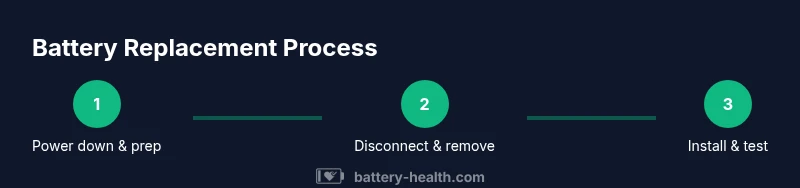
Power down and prep workspace
Shut down the iPhone completely and unplug any connected accessories. Set the device on a clean, static-free surface with good lighting. Confirm you have all tools and a fresh battery ready before proceeding.
Tip: Use an anti-static mat or wrist strap to minimize static risk. - 2
Remove outer screws and open the display
Remove the bottom pentalobe screws with the appropriate screwdriver. Use a suction cup to slightly lift the screen while inserting a non-metallic opening tool to release the display clips. Work slowly to avoid cracking the glass or damaging cables.
Tip: Keep screws in labeled containers to prevent misplacement. - 3
Disconnect the battery connector
Use the spudger to gently disconnect the battery connector from the logic board. Avoid applying lateral pressure on the connector. This step reduces the risk of short circuits during the replacement.
Tip: Take a quick photo of the connector orientation before removal. - 4
Remove the old battery and adhesive
Carefully lift the battery with a plastic tool, taking care not to crush it. If adhesive strips resist, apply a small amount of heat (not excessive) to soften them. Remove the battery and any old adhesive remains.
Tip: Do not puncture the battery; work slowly and evenly. - 5
Prepare and place the new battery
Position the replacement battery, align connectors, and attach any necessary bracket or screws as per model. Apply new adhesive strips to secure the battery and ensure a snug fit with no gaps.
Tip: Verify connector orientation and seating before final clamping. - 6
Reconnect and reassemble
Reconnect the battery, reattach the display connectors, and gently reseat the screen. Replace the bottom screws and do a light check for any loose components before powering on.
Tip: Power on briefly to confirm basic function before complete assembly. - 7
Test, calibrate, and finalize
Charge the device to 80%, then use it normally until it reaches ~20% before doing a full charge. Check battery health in settings and run a few apps to verify stability. If needed, repeat any minor adjustments.
Tip: Allow the device to settle after initial charge for more accurate health readings.
FAQ
Can I replace my iPhone battery myself?
Yes, many users replace their iPhone battery themselves with the right tools and careful handling. However, newer models require more care due to tight assemblies and waterproofing considerations. If you’re unsure, professional service can ensure safety and post-replacement diagnostics.
Yes, you can replace it yourself if you have the right tools and take care, but for newer models a professional service might be safer.
Will replacing the battery void my warranty?
Warranty implications vary by model and region. Do check Apple’s official policies or consult an authorized service provider to understand whether a DIY replacement affects coverage. Authorized services typically preserve warranty terms and provide diagnostic checks.
Warranty effects depend on your model and location—check official Apple guidance or an authorized service to be sure.
How can I tell my iPhone battery needs replacement?
Signs include rapid battery drain, unexpected shutdowns, swelling, or noticeably reduced capacity. You can view Battery Health in iOS to see a maximum capacity percentage and performance recommendations from system diagnostics.
Look for fast drain, shutdowns, swelling, and low capacity visuals in Settings.
What should I look for in a replacement battery?
Choose an OEM or Apple-certified battery that matches your model. Avoid generic or low-quality options, as they can deliver inconsistent performance or safety risks. Verify the part number and compatibility with your device.
Pick an OEM or Apple-certified battery that matches your model for best safety and performance.
How long does a replacement typically take?
Most replacements take about one hour for an experienced technician. DIY repairs can take longer depending on model familiarity and tool accessibility. Budget additional time for reassembly and testing.
Typically around an hour for professionals; DIY may take longer, plan for extra time.
Watch Video
Quick Summary
- Replace to restore peak performance.
- Use OEM or certified batteries for safety and reliability.
- Follow model-specific steps to avoid damage.
- Organize parts and screws meticulously.
- Post-replacement, calibrate battery health and monitor performance.